
Abbas Araghchi Meets Oman’s Badr Al-Busaidi In Muscat To Discuss Strait Of Hormuz Safe Passage
Key Takeaways
- Araghchi arrived in Muscat with delegation for direct talks on Hormuz transit security.
- Discussions focus on safe passage mechanisms for ships through Hormuz under Islamabad MoU Article 5.
- Talks also cover bilateral ties and regional stability tied to Hormuz transit.
Hormuz talks in Muscat
Iranian Foreign Minister Abbas Araghchi met Oman’s Foreign Minister Badr al-Busaidi in Muscat to discuss “appropriate mechanisms” for the safe passage of ships through the Strait of Hormuz under Article 5 of the Islamabad Memorandum of Understanding.
Araghchi said on his Telegram channel on Saturday that the two sides exchanged views on “appropriate mechanisms” for the safe passage of ships through the Strait of Hormuz in accordance with Article 5 of the Islamabad memorandum of understanding.

The Reuters account cited by بوابة الوسط says Araghchi arrived in Muscat on Saturday morning at the head of a political and legal delegation and expressed appreciation for Oman’s message of condolence and for the attendance of the Speaker of the Parliament at the memorial service for the late Supreme Leader Ayatollah Ali Khamenei.
The same Reuters framing in بوابة الوسط says the Omani Foreign Minister affirmed Oman’s stance in favor of using diplomacy to prevent escalation and expressed hope that full implementation of the memorandum of understanding between Iran and the United States in Islamabad would help improve the security situation in the region.
Competing interpretations of MoU
Nournews frames the dispute over the Islamabad MoU by saying Iran maintains that, under Article 5, navigation through the Strait of Hormuz should be managed exclusively by Iran “without interference from any other country.”
Nournews adds that the United States argues Article 5 does not grant Iran exclusive authority over navigation and says Iran’s interpretation is inconsistent with the principles of international maritime law.
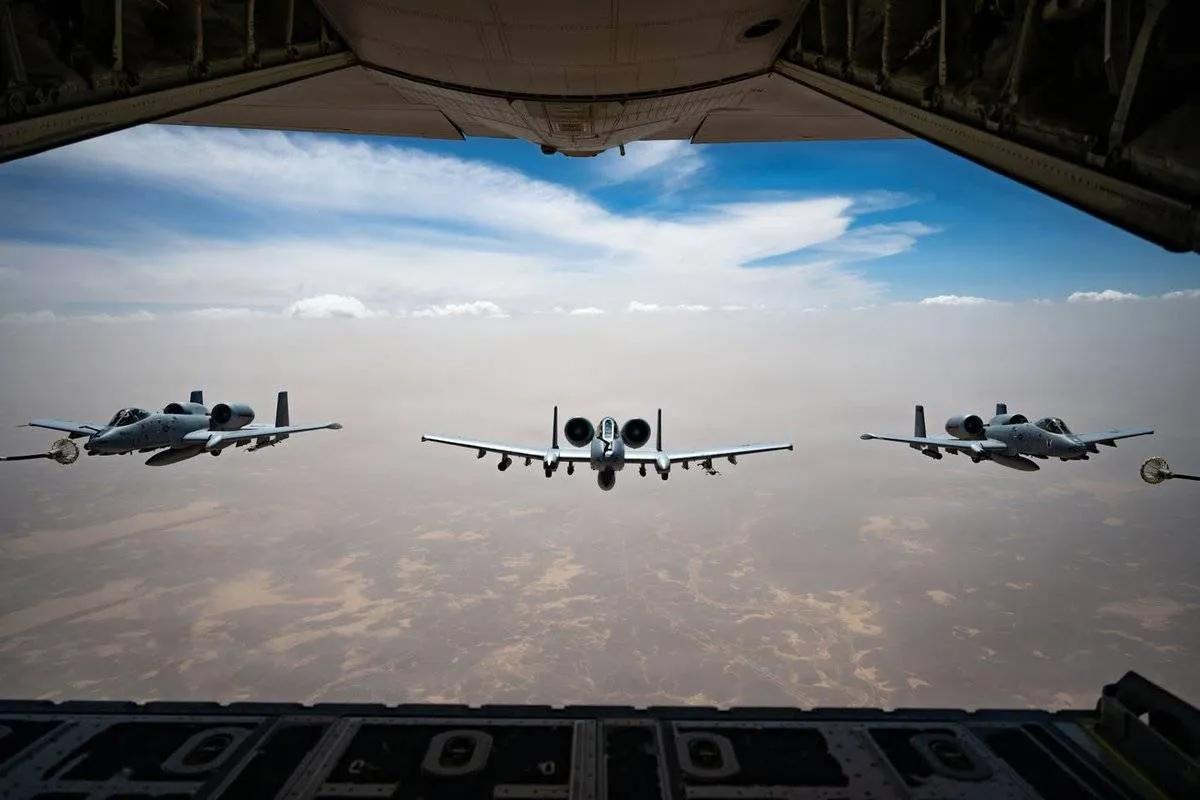
In the same dispute, Nournews says Oman’s position opposing the imposition of any transit fees on vessels passing through the Strait of Hormuz broadly aligns with the U.S. interpretation.
Mehr News Agency, citing Press TV, says the Strait of Hormuz lies only within the territorial and internal waters of Iran and Oman and that responsibility for determining the future arrangements of the Strait of Hormuz belongs to Iran and is being discussed with Oman.
What’s at stake next
The Jerusalem Post | Israeli reports that US President Donald Trump demanded that Iran publicly acknowledge that it fired at ships in the Strait of Hormuz, and it says US officials conveyed the message directly to Iranian officials.
“Iran wants to shut down a U”
The same Jerusalem Post account says a senior Iranian source told Reuters that a call among Iran, the US, Qatar, and Pakistan had been agreed and that mediators were trying to arrange it for Saturday while Araghchi is in Oman.
CNBC says Iran wants to shut down a U.S. Navy-protected shipping lane through Oman's waters and that Iran attacked three tankers navigating the strait through the U.S.-protected route, pushing Washington and Tehran to the brink of renewed war.
CNBC quotes Windward’s analysts saying the fighting this week represents “the most significant escalation of the conflict since its opening phase” and includes U.S. Energy Secretary Chris Wright saying, “Iran will not have the ability to close the Strait of Hormuz going forward.”
More on Iran
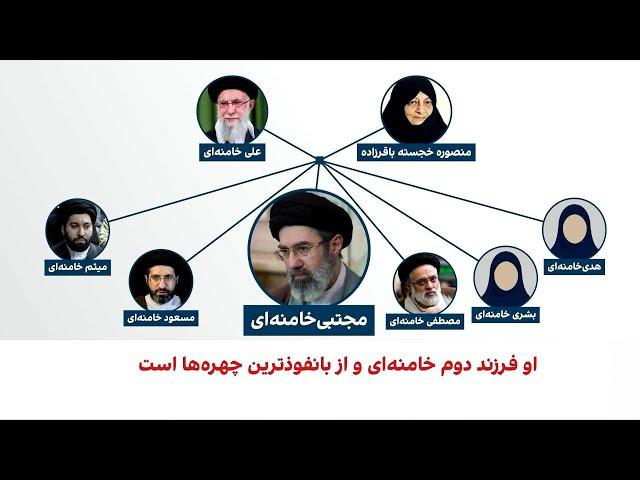
Mojtaba Khamenei Vows Revenge After Ali Khamenei’s Feb. 28 Killing
15 sources compared
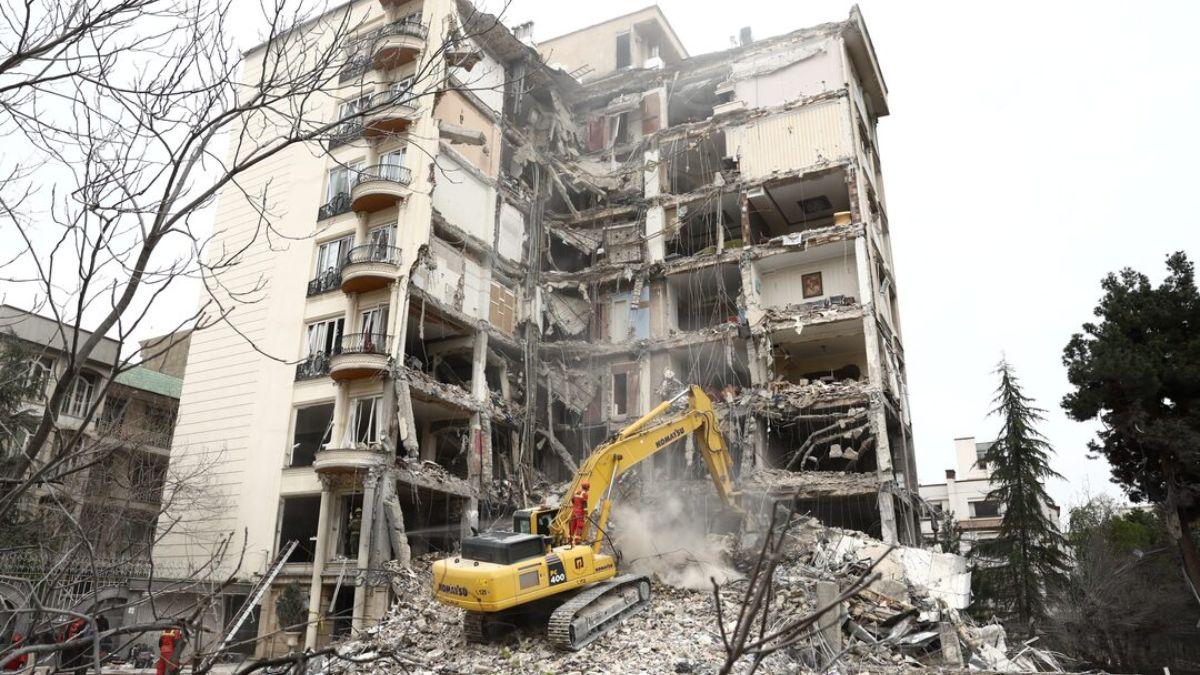
Donald Trump Threatens Iran With 1,000 Missiles If It Tries To Assassinate Him
33 sources compared

Iran Says Talks With U.S. Impossible Until Washington Retreats, Vows Revenge for Ali Khamenei Death
17 sources compared
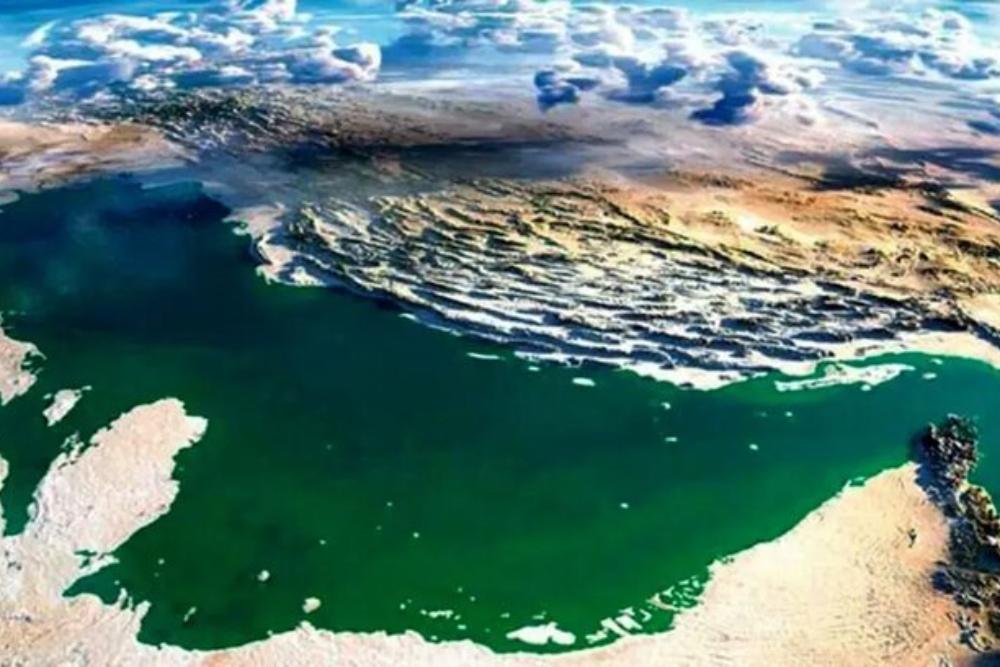
IRGC Fires on Cargo Ship, Closes Strait of Hormuz Until Further Notice
27 sources compared