Iran Says Talks With U.S. Impossible Until Washington Retreats, Vows Revenge for Ali Khamenei Death
Key Takeaways
- Tensions remain high, risking renewed war between Iran and the United States.
- Mediators are working to de-escalate and revive negotiations, including Oman talks.
- Negotiations show progress but obstacles remain, with signs of strain in talks.
Talks blocked, revenge vowed
Iran said talks with the United States are impossible until Washington retreats from its positions, and it vowed revenge for the deaths of late Supreme Leader Ali Khamenei and others killed in the Israel-Iran war in June last year and the U.S.-Israel-Iran war in February this year.
“Iran says talks impossible till U”
The Global Times report, citing semi-official Fars news agency, said Iran would not enter negotiations with the United States until Washington backs down, and it framed the start of negotiations as depending on U.S. implementation of the recently signed peace memorandum of understanding (MoU).

The same report said Iranian media released a written message by Iran's Supreme Leader Mojtaba Khamenei stating that the deaths must be avenged, and it tied the demand to taking revenge on "criminals, whose full list is available."
It also reported that Ali Khamenei was killed in late February during the opening hours of joint U.S.-Israeli strikes on Iran, with funeral ceremonies held over recent days in Iran and Iraq and burial taking place on Friday in the northeastern Iranian city of Mashhad.
Negotiation credibility questioned
Khabar Online argued that Donald Trump’s policies have made negotiating with Iran impossible, saying reliability is the word that constantly surfaces when the discussion turns toward the government of Donald Trump and especially toward a war with Iran.
The report said an Arab official drew a distinction between unpredictability and reliability, quoting: "Unpredictability is one thing, but reliability is another."

Khabar Online also cited Anna Kle, deputy White House spokesperson, telling The Atlantic that Trump preserves ambiguity and strategic flexibility so he has maximum options, and it said she claimed this approach helped him to destroy Iran’s nuclear facilities in the midnight hammer operation.
In the same account, international officials said the new sense of unreliability has slowed efforts to end the war and reopen the Strait of Hormuz, because American allies and Iranian negotiators do not know whether to trust U.S. diplomacy or the president’s apocalyptic statements.
Next round delayed, Hormuz conditions
Tabnak, citing ISNA, reported that no date has been announced for the second round of negotiations with the United States, and it said Iran’s deputy foreign minister Saeed Khatibzadeh told reporters at the Antalya Diplomacy Forum that progress has been made but obstacles remain.
It said the negotiations took place after the ceasefire between Iran and the United States was announced on 23 Farvardin in Islamabad, but the two sides did not reach an agreement on two to three major issues due to differences in their views.
Tabnak also reported that Khatibzadeh said setting a specific date without agreement on the general framework is impossible, and it quoted him saying: "setting a specific date without agreement on the general framework is impossible".
On the Strait of Hormuz, the report said Khatibzadeh stated: "There is no ambiguity for us on this matter," adding that the Strait of Hormuz remains open to commercial shipping and that passage of ships affiliated with the United States and the Israeli regime has been barred in the period after the ceasefire.
More on Iran
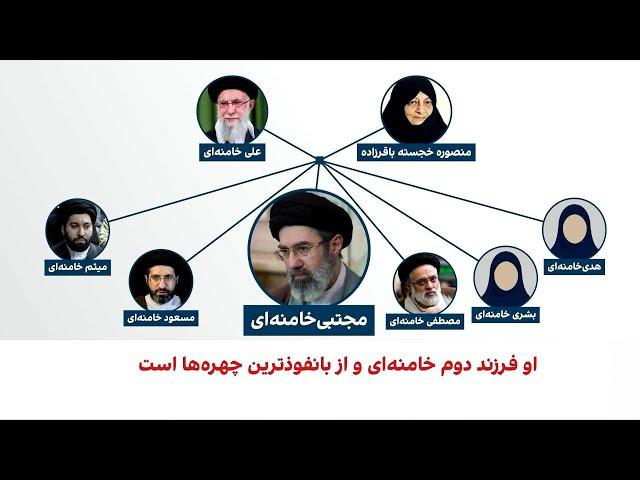
Mojtaba Khamenei Vows Revenge After Ali Khamenei’s Feb. 28 Killing
15 sources compared

Abbas Araghchi Meets Oman’s Badr Al-Busaidi In Muscat To Discuss Strait Of Hormuz Safe Passage
20 sources compared
Donald Trump Threatens Iran With 1,000 Missiles If It Tries To Assassinate Him
33 sources compared
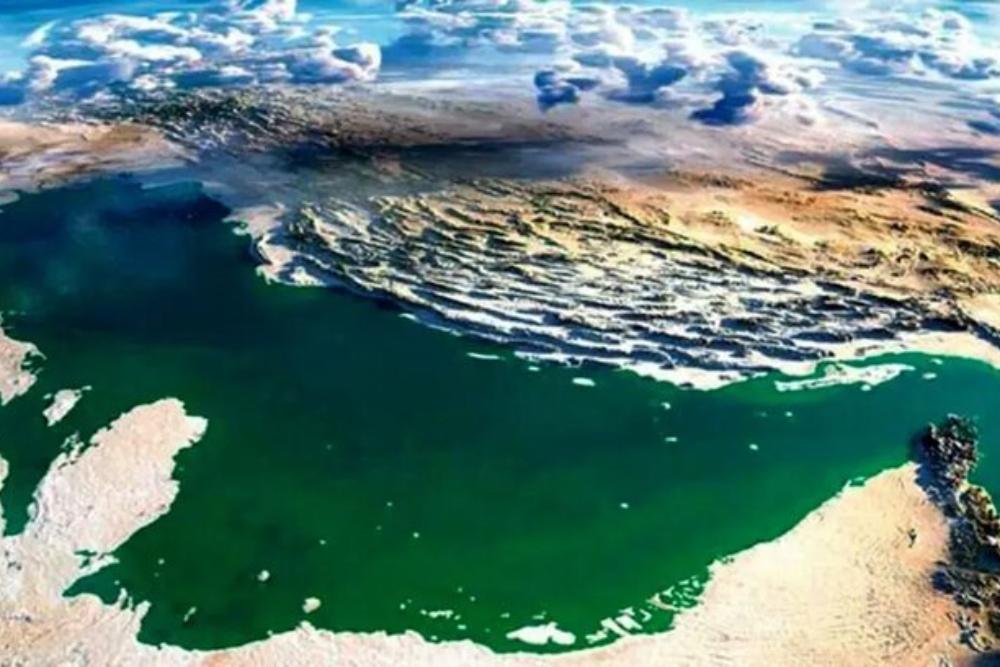
IRGC Fires on Cargo Ship, Closes Strait of Hormuz Until Further Notice
27 sources compared