Abbas Araghchi Proposes Reopening Strait of Hormuz, Defers U.S. Nuclear Talks in Russia Trip
Key Takeaways
- Iranian Foreign Minister Abbas Araghchi proposes three-stage plan to reopen Hormuz and defer nuclear talks.
- Iranian Foreign Minister Abbas Araghchi meets Putin in Russia amid Hormuz plan.
- Plan seeks broader regional buy-in and parallel tracks for Hormuz and peace.
A phased Hormuz offer
Iran’s top diplomat Abbas Araghchi has proposed reopening the Strait of Hormuz while deferring talks with the United States on Tehran’s nuclear programme, as Araghchi carried out a 72-hour diplomatic sprint across Pakistan, Oman and Russia.
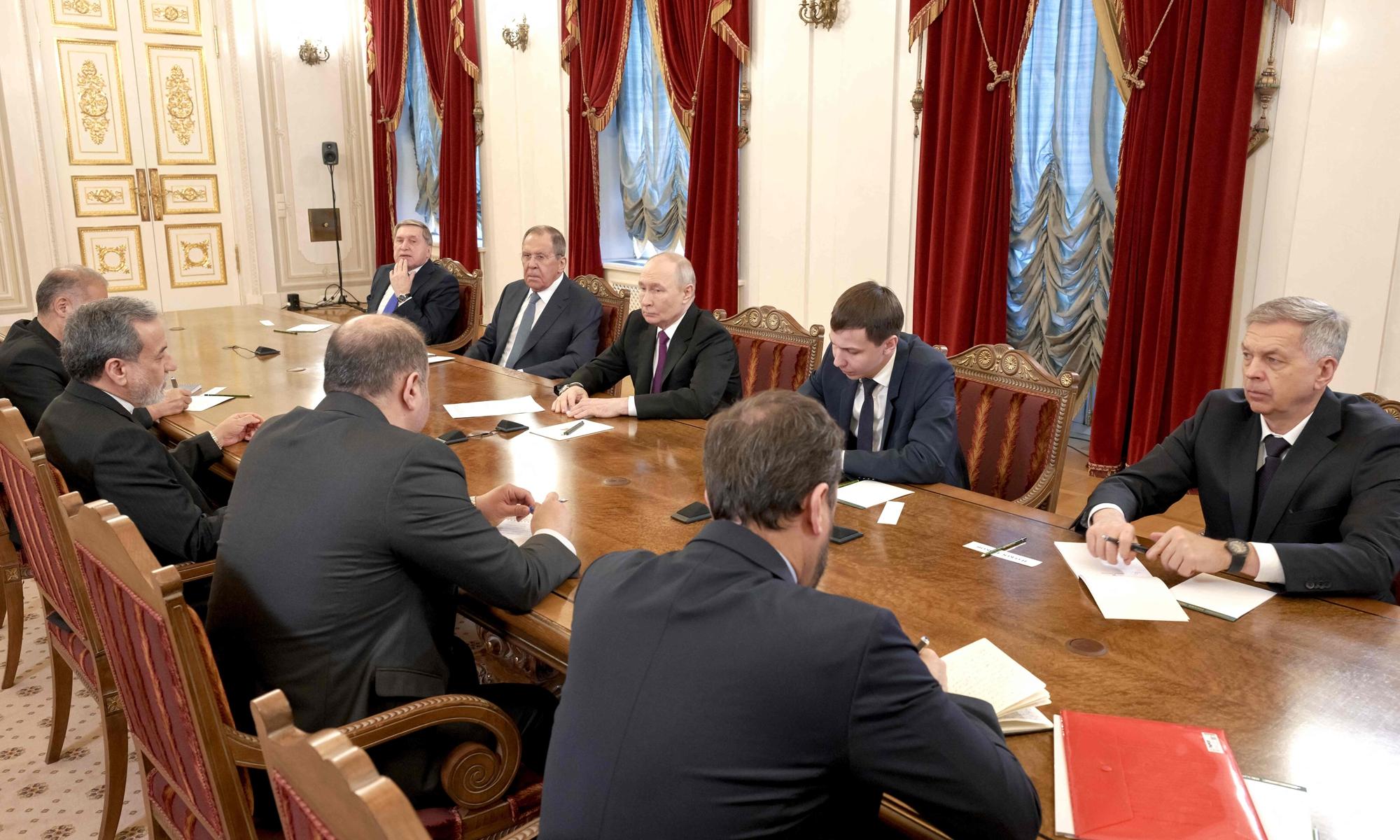
“In this pool photograph distributed by the Russian state agency Sputnik, Russia's President Vladimir Putin and Iranian Foreign Minister Abbas Araghchi hold talks at the Boris Yeltsin Presidential Library in Saint Petersburg on April 27, 2026”
Al Jazeera reported that Araghchi discussed the plan with regional interlocutors and met Russian President Vladimir Putin in St Petersburg after visiting Islamabad twice in two days, with the trips “sandwiching a meeting in Muscat, Oman.”
In the same account, Al Jazeera said discussions in Muscat focused on the Strait of Hormuz, “regional security guarantees,” and a framework for a potential settlement with nuclear-related issues set aside for a later stage.
Al Jazeera also said Iran submitted its latest proposal to end the war with the US to Pakistan, which is transmitting messages between Tehran and Washington after direct talks on April 11 in Islamabad failed to deliver a breakthrough.
CNN similarly described the proposal as one that would “reopen the Strait of Hormuz but leave questions about Tehran’s nuclear program for later negotiations,” and said Trump was not open to it.
NBC News added that Trump’s message to Iran was “call us,” and that the standoff over the Strait of Hormuz has seen energy prices surge again Monday.
Across the reporting, the core structure of the offer is consistent: maritime reopening and de-escalation first, nuclear negotiations later, with the United States’ blockade and Iran’s nuclear demands remaining the central friction points.
Diplomatic sprint and red lines
The diplomatic push described by Al Jazeera unfolded as Araghchi moved through multiple capitals and held both meetings and calls, while Iranian officials sought to shape the terms of any future engagement.
Al Jazeera said Araghchi met Pakistan’s Prime Minister Shehbaz Sharif, Deputy Prime Minister and Foreign Minister Ishaq Dar, and Army Chief Field Marshal Asim Munir during his first of two visits to Islamabad, before traveling to Muscat and returning to Pakistan on Sunday to meet Munir again before departing for Moscow.

In Al Jazeera’s account, Araghchi said on social media after his departure that Pakistan had “played an important role in mediating negotiations between Iran and the United States recently,” while he argued that “incorrect approaches and excessive demands of the United States” had prevented the previous round of talks from achieving its objectives despite “some progress.”
Al Jazeera also reported that sources close to these diplomatic efforts said senior intelligence officials from several countries were present at the Muscat talks.
CNN added that earlier, Araghchi gave Pakistani officials a list of “red lines” to be conveyed to the US, including “nuclear issues and the Strait of Hormuz.”
NBC News described Araghchi’s Russia stop as a continuation of the same effort, saying he flew to Russia to meet Vladimir Putin after the American delegation’s trip was scrapped.
In Russia, NBC News quoted Araghchi saying, “Iran is resisting the biggest superpower in the world,” and said he told reporters that the United States “hasn’t achieved a single goal. That’s why” Trump is “asking for negotiations, and we’re considering it.”
US skepticism and public messaging
While Iran’s proposal emphasized phased negotiations, the United States’ public posture in the reporting remained skeptical and tightly controlled, with officials reiterating that Washington would not negotiate through the press.
Al Jazeera said the White House has not confirmed the contents of the Iranian proposal and quoted spokeswoman Olivia Wales saying the US “will not negotiate through the press” and would “only make a deal that puts the American people first, never allowing Iran to have a nuclear weapon”.
CNN similarly reported that Trump signaled Monday he was unlikely to accept Iran’s latest proposal, and said two people familiar with the matter described a Monday meeting with top national security officials where Iran was discussed.
CNN also included Trump’s public line from Fox News, quoting him saying, “They cannot have a nuclear weapon. Otherwise, there’s no reason to meet,” and adding, “You know there is a telephone. We have nice, secure lines.”
NBC News framed Trump’s message as “call us” and said he urged Tehran to phone when it wants a deal after scrapping a planned trip by his envoys.
NBC News also reported that Trump last week indefinitely extended the ceasefire in the war he launched alongside Israel two months ago, and that a first round of direct talks in Islamabad failed to reach a deal to end the conflict.
Together, the reporting shows a pattern: Iran proposes phased steps, the US insists on nuclear constraints, and the administration’s messaging repeatedly returns to the idea that any deal must prevent Iran from getting a nuclear weapon.
Putin backing and Khamenei message
Russia’s role in the diplomatic effort is presented across multiple outlets as both supportive and central to Iran’s attempt to broaden buy-in for a Hormuz-focused framework.
Al Jazeera said Araghchi met Russian President Vladimir Putin in St Petersburg after visiting Islamabad twice and Muscat, and it described the Muscat talks as including senior intelligence officials from several countries.
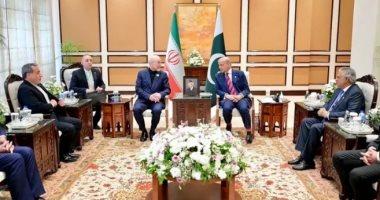
NBC News quoted Araghchi after meeting Putin, saying, “Iran is resisting the biggest superpower in the world,” and said he told reporters that the US “hasn’t achieved a single goal. That’s why” Trump is “asking for negotiations, and we’re considering it.”
NBC News also quoted Putin saying he saw “how courageously and heroically the people of Iran are fighting for their independence” and told Araghchi that Russia would “do everything that serves your interests and the interests of all the peoples of the region.”
NPR added that Putin told Araghchi he had received a message last week from Iran’s supreme leader, Mojtaba Khamenei, and said Putin conveyed “gratitude for this message and best wishes for his health and well-being,” citing Tass and Iran’s semiofficial Fars.
The Times of Israel described the same Russia leg as Araghchi’s “final leg of his regional tour,” and said Iranian state media reported he would meet Putin and other Russian officials to discuss bilateral ties and the war.
Across these accounts, the Russian leadership’s public support is portrayed as a key element of Iran’s diplomatic posture while negotiations with Washington remain stalled.
Energy stakes and next steps
The diplomatic standoff over the Strait of Hormuz is repeatedly linked in the reporting to energy market pressure and to the urgency of finding a pathway to reopening maritime traffic.
CNN said Brent crude was “still well above $100 a barrel and hovering around a three-week high,” and it described how reopening the strait without resolving nuclear questions could remove “a key piece of American leverage,” while leaving the waterway blocked could prolong higher energy prices that have caused the cost of gas to spike in the US.
NBC News said the standoff over the Strait of Hormuz saw energy prices surge again Monday and described the US blockade and Iran’s control of the strait as part of the pressure campaign.
NPR said traffic is largely at a standstill as Iran tries to exert control over the strait and the US imposes a naval blockade on Iranian ports, deepening a global energy crisis, and it described the Strait of Hormuz as a key shipping passage where about one-fifth of the world’s oil and natural gas transited before the war.
Al Jazeera described the diplomatic efforts as unfolding against a “ticking clock,” referencing the May 1 deadline under the 1973 War Powers Resolution and a fourth bipartisan Senate bid defeated 52-47 on April 15.
In Washington, CNN said Trump met with his national security team and discussed the latest Iranian proposal, while NBC News said Trump scrapped the planned envoys’ trip to Pakistan and told reporters the Iranian team could reach Washington by phone if it wished to speak.
Looking ahead, NBC News said members of the Gulf Cooperation Council will hold a meeting Tuesday where the Iranian proposal will also be discussed, and it described opening the Strait of Hormuz and restarting the flow of oil as the priority for Gulf allies.
More on Iran
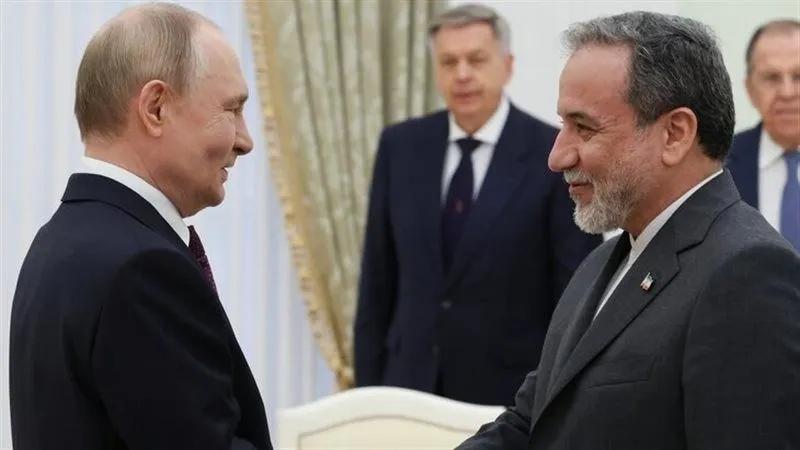
Putin Pledges Support for Iran as Abbas Araghchi Meets Him in St. Petersburg
30 sources compared
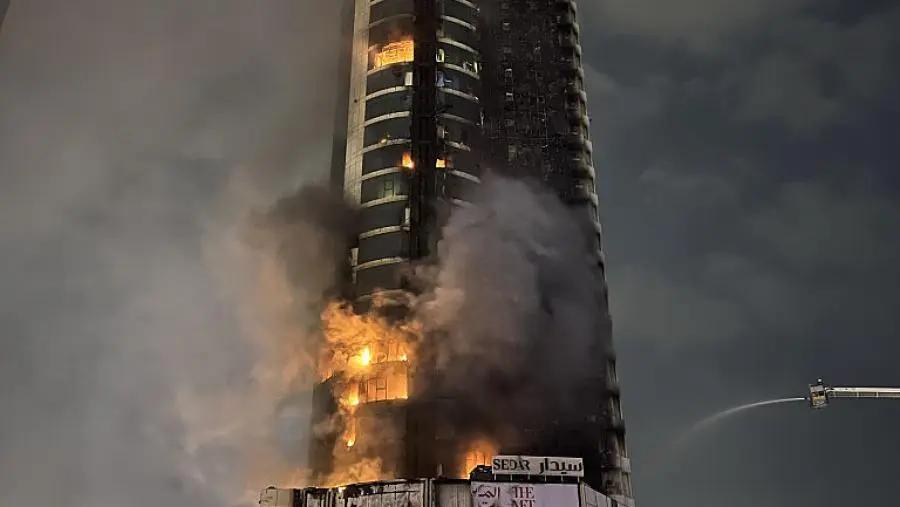
Bahrain Revokes Citizenship of 69 People for Supporting Iran Amid Regional Escalation
12 sources compared

Iran Offers U.S. Strait of Hormuz Reopening, Ending War, Postponing Nuclear Talks
29 sources compared

Oil Prices Rise as US-Iran Peace Talks Stall and Strait of Hormuz Remains Constrained
14 sources compared