
Iran Offers U.S. Strait of Hormuz Reopening, Ending War, Postponing Nuclear Talks
Key Takeaways
- Iran proposes reopening Strait of Hormuz in exchange for lifting blockade and ending war.
- The deal would postpone nuclear talks to a later date.
- U.S. officials discussed the proposal with top aides.
Hormuz Offer, Nuclear Postponed
Iran has offered the United States a proposal to reopen the Strait of Hormuz and end the war while postponing nuclear negotiations to a later stage, according to an Axios report citing a U.S. official and two sources with knowledge.
“Iran says its armed forces should be authority responsible for Strait of Hormuz, wants payments for transit made in rial -- media [](https://subscribe”
Axios says the Iranian proposal would “bypass that issue en route to a faster deal,” with the nuclear question deferred until after the strait was open and the blockade lifted.
The AP similarly reports that Iran wants Strait of Hormuz reopening tied to U.S. ending its blockade and ending the war, with “discussions on the larger question of its nuclear program would come later.”
CBS News adds that the offer apparently includes “no concessions on Iran's nuclear program,” which President Trump has insisted must be dismantled as part of any agreement to end the conflict.
CNN reports that U.S. Secretary of State Marco Rubio said the proposal was “better than what we thought they were going to submit,” while emphasizing that “the nuclear question is the reason why we’re in this in the first place.”
The White House press secretary Karoline Leavitt confirmed to CNBC that President Donald Trump and his national security team discussed the proposal, saying “the proposal was being discussed.”
Stalemate, Envoys, and Timing
The proposal arrives after a weekend of stalled diplomacy and canceled travel, with Axios describing how the crisis deepened after Iranian Foreign Minister Abbas Araghchi’s visit to Pakistan ended with no progress.
Axios says the White House had announced that Trump envoys Steve Witkoff and Jared Kushner would meet Araghchi in Islamabad, but “the Iranians were noncommittal,” and Trump told Axios he canceled the trip after deciding “there’s no point of sending them on an 18-hour flight in the current situation.”
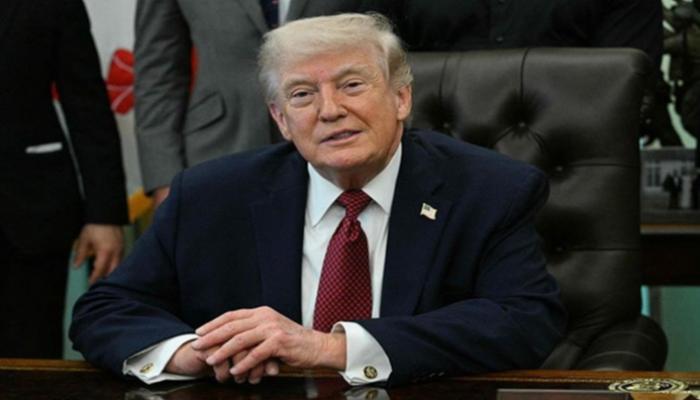
CNN likewise says Trump canceled the envoys’ trip to Pakistan after peace talks with Iran stalled over the weekend, with Trump defending the decision by saying Iranian authorities “can call” if they want.
Axios reports that on Sunday Araghchi held talks with Omani officials in Muscat focused on the Strait of Hormuz, then returned to Islamabad for a second round of talks.
Axios adds that on Monday Araghchi was expected to travel to Moscow and meet Russian President Vladimir Putin.
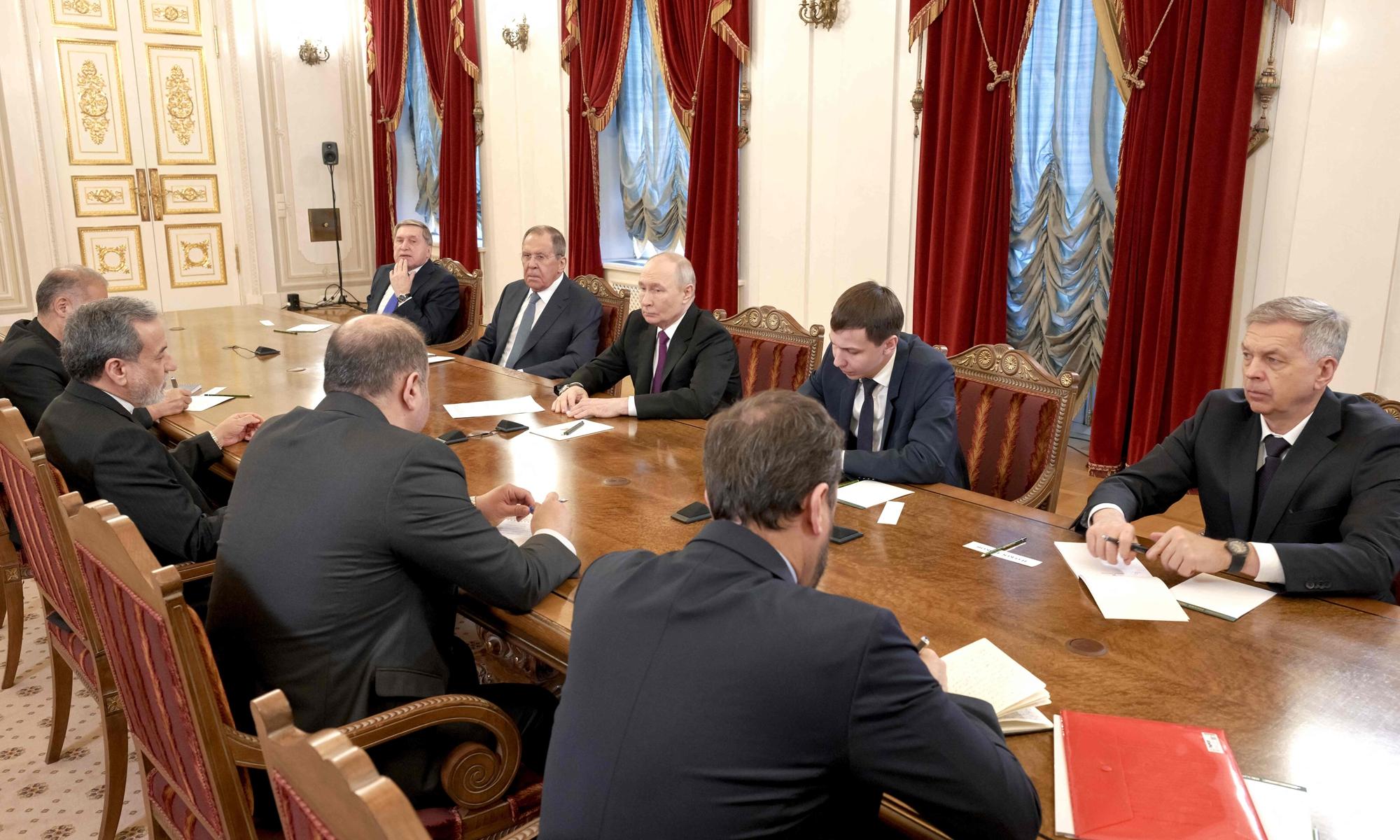
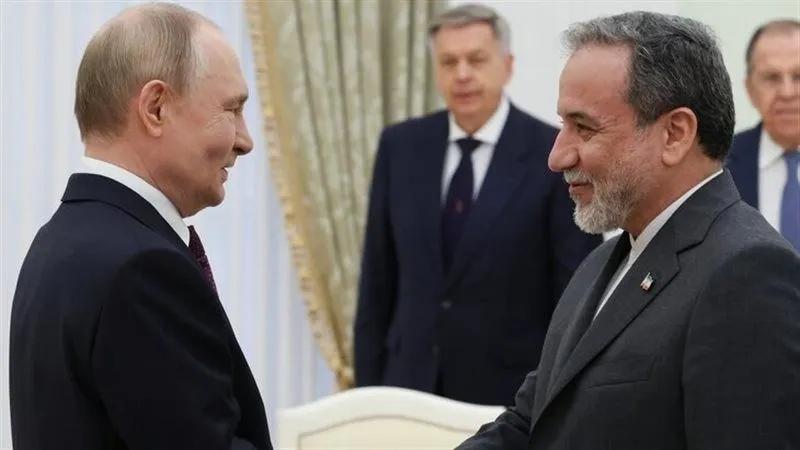
Fox News reports that Araghchi met Putin in St Petersburg and thanked Putin for Russia’s “firm support,” saying, “We thank you for your firm position in support of Iran.”
The Guardian describes a parallel diplomatic and maritime dispute, noting that Iran’s foreign ministry condemned the U.S. seizure of Iran-linked tankers as “piracy and armed robbery on the high seas.”
Voices: Rubio, Leavitt, and Iravani
U.S. officials framed the proposal through the lens of nuclear red lines and the need for credible guarantees, while Iranian officials tied stability to an end to aggression.
CNN reports that Rubio said the proposal was “better than what we thought they were going to submit,” but he stressed that any deal must “definitively prevents them from sprinting towards a nuclear weapon at any point.”
CNBC adds Rubio’s critique in a Fox News interview, where he said, “What they mean by opening the straits is, 'Yes, the straits are open, as long as you coordinate with Iran, get our permission, or we'll blow you up and you pay us,'” and Rubio argued, “That's not opening the straits.”
CBS News quotes Iran’s U.N. ambassador Amir-Saeid Iravani saying, “Lasting stability and security in the Persian Gulf and the wider region can only be achieved through a durable and permanent cessation of aggression against Iran supplemented by credible guarantees of non-recurrence.”
CBS also includes Iravani’s claim that, “the United States and Israel have waged an unlawful war of aggression against Iran,” and it places the remarks in a U.N. Security Council session.
On the White House side, Axios quotes White House spokesperson Olivia Wales saying, “These are sensitive diplomatic discussions and the U.S. will not negotiate through the press,” and that the United States “holds the cards.”
CNBC reports that Karoline Leavitt confirmed the president met with his national security team, saying, “I will confirm the president has met with his national security team this morning,” and later, “The meeting may be ongoing.”
Maritime Fees and Detentions
Beyond the Hormuz reopening offer, Iran’s approach to the strait includes a plan for “Management of the Strait of Hormuz” and demands tied to fees and licensing, while the U.S. and the U.N. reject the legal basis for tolls.
Asharq Al-Awsat English reports that Mohammad Reza Razavi-Kouchi, head of the Reconstruction Committee of Iran's Islamic Consultative Assembly, published items of a “Strategic Plan for the Management of the Strait of Hormuz,” and it says commercial shipping through the Strait of Hormuz was nearly halted on Monday after it briefly reopened over the weekend.

That same report says Iran’s plan included provisions to prevent passage by hostile ships and any ships or cargo belonging to or affiliated with Israel, and it also prohibits “any country that imposes unilateral sanctions on Iran or engages in any act of aggression.”
Asharq Al-Awsat says the plan called for allowing ships to pass after obtaining a license and paying “guidance, monitoring, and security fees,” and it quotes the document that “the financial resources generated from collecting the fees will be spent in three areas.”
It also states that transit through the waterway has declined significantly over seven weeks of Iran's war and that the fragile ceasefire between the United States and Iran is set to end by the end of Tuesday.
Separately, Asharq Al-Awsat says the U.S. Navy detained an Iranian merchant vessel in waters off Jask Port in the Gulf of Oman earlier Sunday, while it was en route to Hormuz.
The UN maritime agency dispute is covered by Asharq Al-Awsat English and The Guardian, with Asharq Al-Awsat English quoting IMO Secretary-General Arsenio Dominguez saying, “There's no legal basis for the introduction of any tax, any customs, or any fees for on straits for international navigation.”
Consequences: Oil, Sanctions, and UN Debates
The sources describe immediate economic and diplomatic consequences as the strait standoff continues, with oil markets reacting and sanctions enforcement tightening.
“Live updates: Iran wants Strait of Hormuz reopening tied to US ending the war, officials say Two regional officials say that Iran has offered to end its chokehold on the Strait of Hormuz in exchange for the U”
Axios warns that lifting the blockade and ending the war would remove President Trump’s leverage in future talks to remove Iran’s stockpile of enriched uranium and convince Tehran to suspend enrichment, describing “two primary war objectives for Trump.”
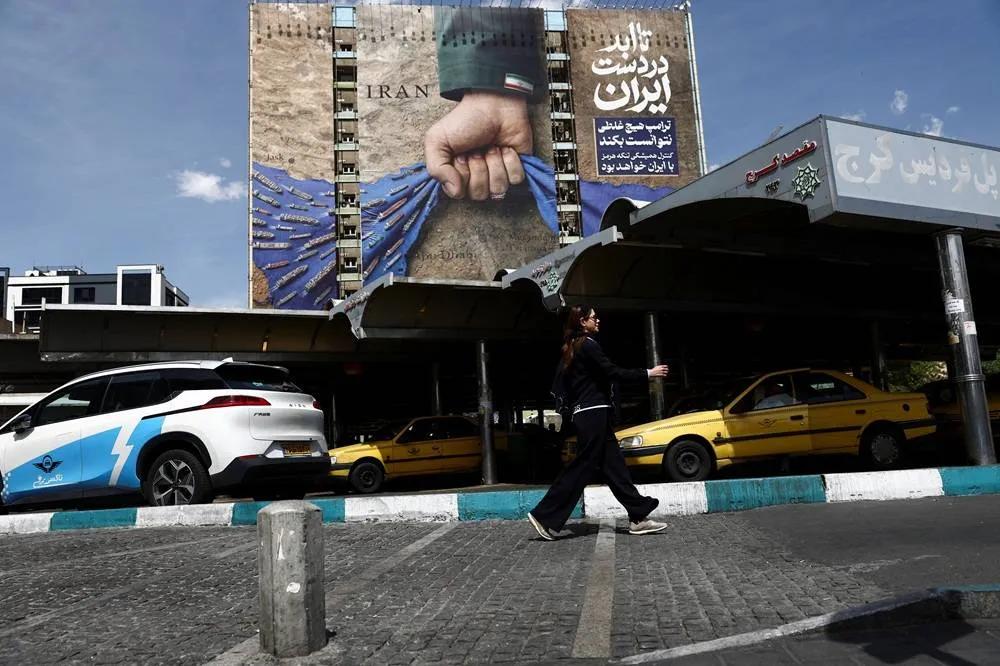
CNBC says the strait remains Iran’s main source of leverage and that “the de facto closure has sent oil prices spiraling,” leading to “higher prices for gasoline and other products in the U.S. and around the world.”
CNN adds that Brent crude is “still well above $100 a barrel and hovering around a three-week high,” linking the negotiations to broader market pressure.
Fox News includes a warning from Treasury Secretary Scott Bessent that the U.S. blockade is crippling Iran’s oil sector, quoting Bessent: “Iran’s creaking oil industry is starting to shut in production thanks to the U.S. BLOCKADE,” and adding, “Pumping will soon collapse. GASOLINE SHORTAGES IN IRAN NEXT!”
CBS News reports that Bessent also warned foreign governments that doing business with sanctioned Iranian airlines “risks exposure to U.S. sanctions,” and it quotes him: “Foreign governments should take all actions necessary to ensure that companies in their jurisdictions do not provide services to those aircraft.”
CBS News says the U.S. and Iran clashed over Tehran’s nuclear program as a review of the Nuclear Nonproliferation Treaty got underway, with Christopher Yeaw calling Iran’s approach “contempt” for its commitments and Reza Najafi calling the U.S. allegations “baseless and politically motivated.”
More on Iran
Abbas Araghchi Proposes Reopening Strait of Hormuz, Defers U.S. Nuclear Talks in Russia Trip
29 sources compared
Putin Pledges Support for Iran as Abbas Araghchi Meets Him in St. Petersburg
30 sources compared
Bahrain Revokes Citizenship of 69 People for Supporting Iran Amid Regional Escalation
12 sources compared

Oil Prices Rise as US-Iran Peace Talks Stall and Strait of Hormuz Remains Constrained
14 sources compared