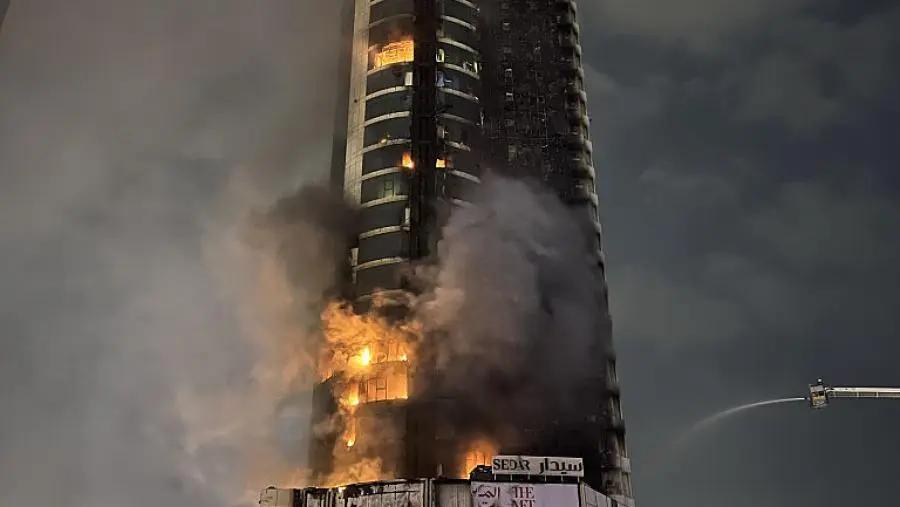
Bahrain Revokes Citizenship of 69 People for Supporting Iran Amid Regional Escalation
Key Takeaways
- Bahrain revoked the citizenship of 69 people and their dependents.
- The revocations cited sympathy with Iran and espionage with foreign entities.
- Move follows weeks of Iranian attacks on Gulf states.
Citizenship revoked over Iran support
Bahrain revoked the citizenship of 69 people for allegedly supporting or sympathising with Iran amid the regional escalation that began after Israel and the United States launched attacks on Iran.
“Bahrain has stripped dozens of people of their citizenship for allegedly supporting Iranian attacks on the country”
Al Jazeera reported that Bahrain’s Ministry of Interior announced on Monday that it had revoked the citizenship of 69 people, accusing them of sympathising with Iran and “colluding with foreign entities”.

The Jerusalem Post said Manama’s Interior Ministry confirmed the move in a Monday X/Twitter post and stated that “A total of 69 people were stripped of their citizenship,” adding that all were of “non-Bahraini origin”.
The Jerusalem Post also reported that King Hamad bin Isa Al Khalifa issued a royal decree instructing Crown Prince and Prime Minister Salman bin Hamad to revoke citizenship under Article 10/3 of the Bahraini Nationality Law.
The Economic Times similarly said the revocations were carried out in accordance with royal directives from King Hamad bin Isa Al Khalifa and were based on Article 10/3, which allows revocation for “causing harm to the interests of the Kingdom or acting in a manner that contradicts the duty of loyalty to it.”
Multiple outlets described the decision as extending to family members, with Al Jazeera noting some were related and Yemen Online saying the revocation included family members by extension.
The National and The National’s reporting also said the Bahrain News Agency published the names of the 69 people whose citizenship was revoked, including dependents, and that “All those affected are of non-Bahraini origin.”
Legal basis and implementation
Bahrain’s Interior Ministry framed the citizenship revocations as a national security measure grounded in Bahraini nationality law and implemented through directives from the monarchy.
Al Jazeera reported that the directive, issued by King Hamad bin Isa Al Khalifa, stated that all 69 people were “of non-Bahraini origin,” and said that under Bahraini law, a person can be stripped of citizenship if they are deemed to have caused harm to the country or shown disloyalty.

The Jerusalem Post added that King Hamad’s decree instructed Salman bin Hamad to revoke citizenship under Article 10/3, and it quoted the article’s stipulation that citizenship can be revoked “in the event of causing harm to the interests of the Kingdom or acting in a manner contrary to the duty of loyalty to it,” as well as a recommendation of the interior ministry to the cabinet.
Arab News PK said the measure was taken pursuant to Article (10/3) of the Bahraini Citizenship Law and cited the law’s language that citizenship can be withdrawn in the event of “causing harm to the interests of the Kingdom or acting in a manner inconsistent with the duty of loyalty to it.”
The National and The Economic Times both said the revocations were carried out in accordance with royal directives from King Hamad bin Isa Al Khalifa and under the mandate of Crown Prince and Prime Minister Salman bin Hamad Al Khalifa.
The Economic Times reported that the interior ministry said the competent authorities were “continuing to study and review” who deserves Bahraini citizenship.
Yemen Online and SANA both described the ministry’s rationale as confronting “hostile and reprehensible Iranian acts” and alleged contact with foreign entities, with SANA saying the decision was issued against individuals who expressed sympathy for and glorified Iranian hostile acts, or who were found to have engaged in contact with external parties.
War timeline and regional strikes
The citizenship revocation was reported as occurring in the context of a wider war launched against Iran and Tehran’s strikes on Gulf neighbours, including Bahrain.
“19:24 Bahrain strips 69 people of citizenship for 'expressing support for’ Iran 19:23 Trump says he wasn't ‘worried’ after being evacuated from hotel after shooting 18:44 There have been no delays or reallocations of EU aid intended for Armenia: EU Delegation 18:41 Armenia deputy FM: There are active talks with American colleagues 18:40 Armenia, Azerbaijan among countries with highest military spending relative to their GDP 18:39 Azerbaijan not regretting demolition of Armenian churches in occupied Karabakh capital Stepanakert 17:54 Germany chancellor suggests Ukraine may have to accept territorial loss after war 17:54 FM to EU ambassador’s statement: Georgia does not need ‘dark past’ or such threats 17:53 Russia's Putin holds talks with Iran's Araghchi 16:41 NetBlocks: Internet shutdown in Iran continues for almost 2 months 16:40 US dollar falls in Armenia 16:14 Armenia economic activity index growth 6”
Al Jazeera said Iranian strikes began on February 28, shortly after Israel and the United States began the war by launching attacks on Iran, and it reported that Tehran accused targeted countries of allowing the US to conduct its strikes from their territory.
Al Jazeera also said Iran’s retaliatory attacks reportedly caused significant damage to US military sites across the region, including a Navy base in Bahrain, which was hit by missiles and drones.
The outlet further reported that Iran ceased its attacks on Gulf neighbours on April 9, following the introduction of a ceasefire brokered by Pakistan, and that negotiations to permanently end the war were ongoing three weeks later.
The National said Bahrain was among Gulf countries targeted by Iran in retaliatory strikes after the US and Israel began attacking the Islamic Republic on February 28, and it said the Iranian attacks targeted energy and civilian infrastructure in the Gulf.
The National also reported that Bahrain’s Defence Force said the country’s air defences intercepted and destroyed 194 Iranian missiles and 523 drones before a ceasefire between Iran and the US and Israel came into effect on April 8.
Arab News PK said Iran launched waves of missile and drones against Gulf states including Bahrain in response to US and Israeli strikes that began on February 28, and it said the Iranian attacks have halted since a fragile April 8 ceasefire announced by Washington and Tehran.
Opposition and rights groups react
Rights groups and activists condemned Bahrain’s citizenship revocation as repression and as a violation of legal safeguards, while Bahraini authorities described the move as protecting national security.
Al Jazeera reported that the London-based Bahrain Institute for Rights and Democracy described the move as “dangerous” and a clear violation of international law, and it said the organisation noted that the individuals had not been publicly identified.
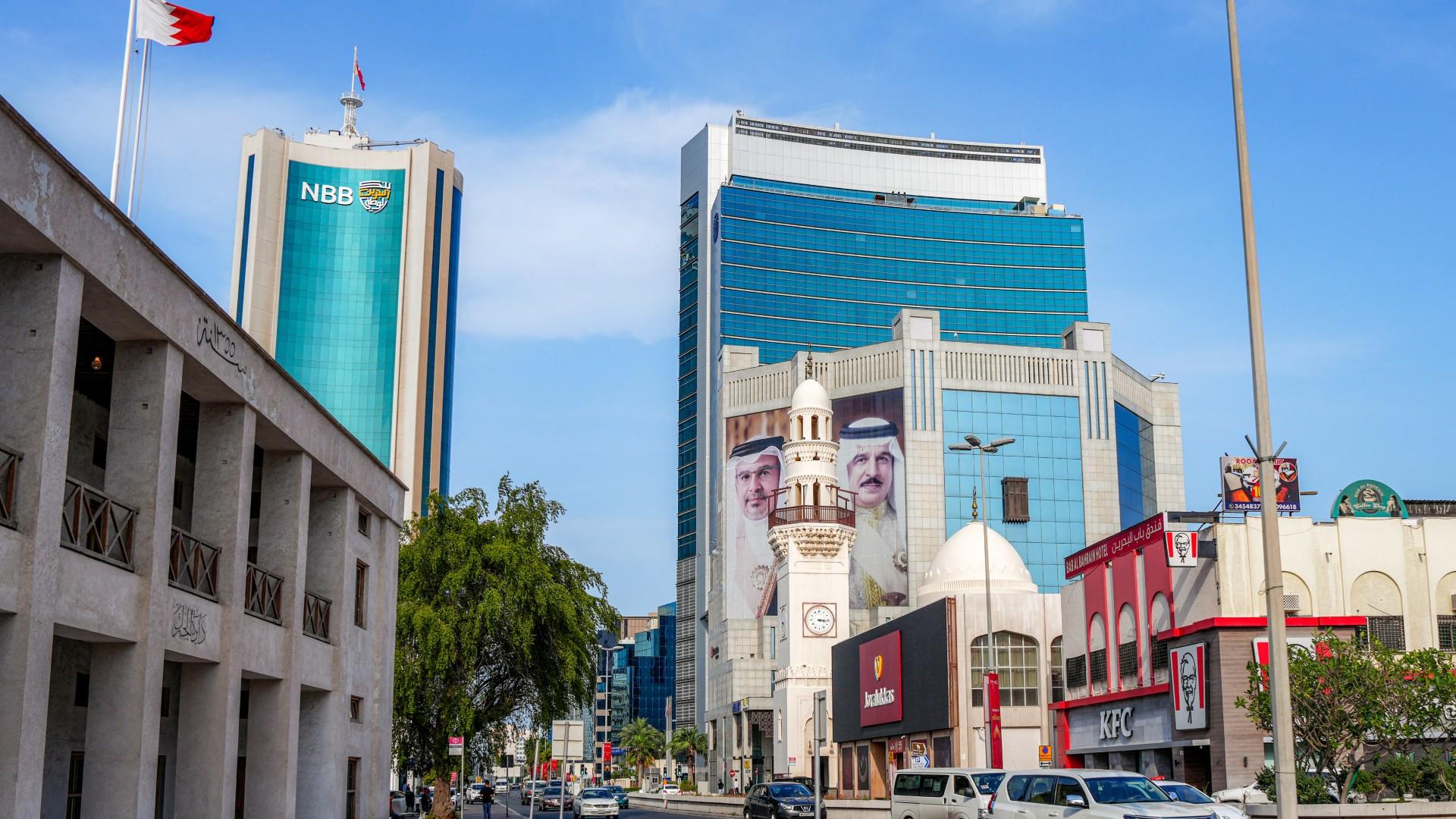
The Economic Times quoted Sayed Ahmed Alwadaei, Advocacy Director at the Bahrain Institute for Rights and Democracy, condemning the move as “the beginning of a dangerous era of repression” and saying the decisions were “imposed without legal safeguards or any right of appeal.”
Middle East Eye quoted Maryam al-Khawaja, a Bahraini-Danish activist, saying, “This is a tool the Al Khalifa ruling family has used for decades to target dissidents, as well as the wider Shia population in the country,” and it said Khawaja argued there had been no due process in the decision.
Middle East Eye also quoted Maryam al-Khawaja saying, “This leaves them unable to access governmental schooling, healthcare and housing,” and it quoted Bird’s Sayed Ahmed Alwadaei saying many of those named were not arrested or interrogated.
The Jerusalem Post reported that Bahrain Defense Force’s General Command told Bahrainis to “exercise caution and not to approach or touch any strange or suspicious objects that may be remnants of the heinous Iranian attack,” linking the broader security posture to the war context.
PressTV, in contrast, described the revocations as punishment for “expressing support for Iran (retaliatory) attacks” and claimed the ministry said those stripped “undermined the national security by publication of contents online, which caused instability and jeopardized public order.”
Broader crackdown and security posture
The citizenship revocation was reported alongside Bahrain’s broader security actions and warnings during the Iran-related escalation, including references to alleged espionage cases and public guidance.
“Bahrain revokes citizenship of 69 people in connection with Iran war Bahrain has revoked the citizenship of dozens of people it accused of sympathising with Iran and “aiding foreign entities””
The Jerusalem Post said Bahrain Defense Force’s General Command confirmed that “all its weapons and units are at the highest levels of readiness and defensive preparedness,” and it told Bahrainis to “exercise caution and not to approach or touch any strange or suspicious objects that may be remnants of the heinous Iranian attack.”
The National reported that Bahrain had already taken action against more than a dozen people with alleged links to Tehran or the Iran-backed Lebanese group Hezbollah, and it said “Fourteen people were charged last month with spying for the Islamic Revolutionary Guard Corps.”
The National also said accusations included receiving funds from Iran, leaking state secrets and, in one case, receiving military training at IRGC camps, and it said “In a separate case, three people were accused of collecting funds under the guise of charitable work but transferring them to Hezbollah.”
The National added that Bahrain warned residents not to share images of Iranian attacks, and it said “Six people last month had their Kuwaiti citizenship stripped over similar allegations of working with Hezbollah,” while Kuwait revoked the citizenship of “almost 50,000 people last year” in a sweeping review of nationality files.
Middle East Eye described the war as accompanied by a domestic crackdown, saying “More than 200 people have been arrested since the war began,” and it said the actual number may be higher due to enforced disappearances.
PressTV, meanwhile, claimed that Bahraini opposition group al-Wefaq said authorities tortured Sayyed Mohammed al-Moussawi to death after stopping him at a security checkpoint in al-Muharraq island, and it said his family received his dead body with signs of torture a few days later.
More on Iran

Abbas Araghchi Proposes Reopening Strait of Hormuz, Defers U.S. Nuclear Talks in Russia Trip
29 sources compared
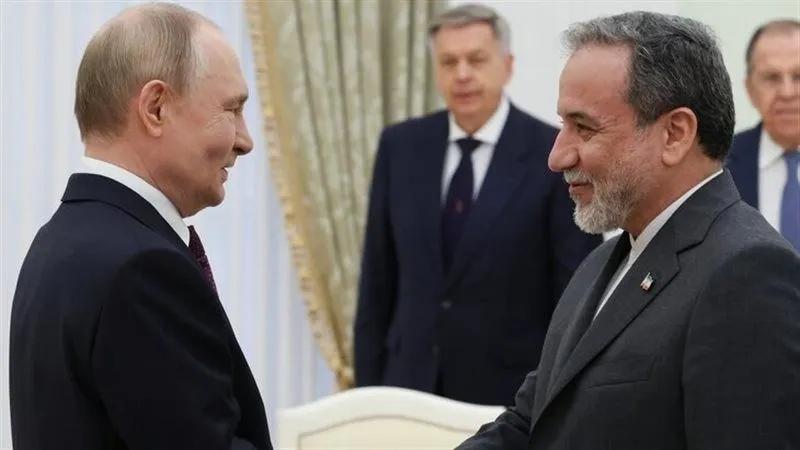
Putin Pledges Support for Iran as Abbas Araghchi Meets Him in St. Petersburg
30 sources compared

Iran Offers U.S. Strait of Hormuz Reopening, Ending War, Postponing Nuclear Talks
29 sources compared

Oil Prices Rise as US-Iran Peace Talks Stall and Strait of Hormuz Remains Constrained
14 sources compared