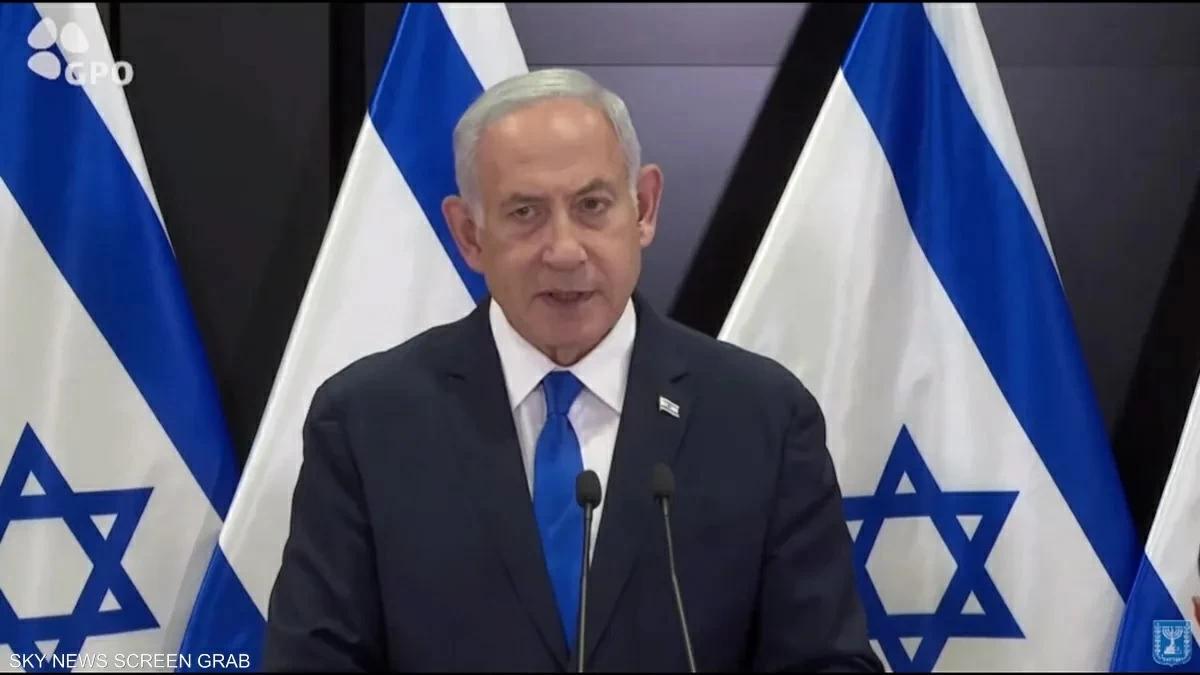
Abbas Araghchi Says Lack Of Trust Blocks U.S. Iran War Negotiations
Key Takeaways
- Strait of Hormuz tensions rise with ships seized and sunk.
- Araghchi: lack of trust with the U.S. blocks negotiations; contradictory messages undermine intentions.
- Iran open to diplomatic help, notably from China.
Ceasefire extended, talks resume
Iran’s Foreign Minister Abbas Araghchi said in New Delhi that “a lack of trust is the biggest obstacle in negotiations to end the war with the U.S.” and that Tehran would be open to diplomatic help, particularly from China, to ease tensions.
Araghchi told reporters that contradictory messages have “made us reluctant about the real intentions of Americans,” adding that negotiations would move forward if Washington was ready for a “fair and balanced deal.”
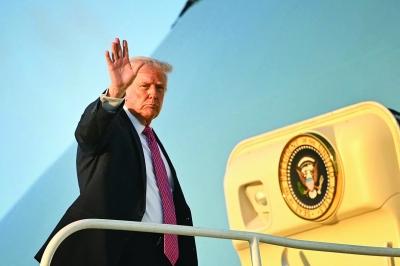
In Washington, the U.S. State Department said Israel and Lebanon agreed to a 45-day extension of their ceasefire after talks concluded on Friday, with more negotiations scheduled for June 2-3.
The BBC and The Independent both described the ceasefire extension as another 45 days, with State Department spokesperson Tommy Pigott saying on X that “The 16 April cessation of hostilities will be extended by 45 days to enable further progress.”
Strait of Hormuz tensions
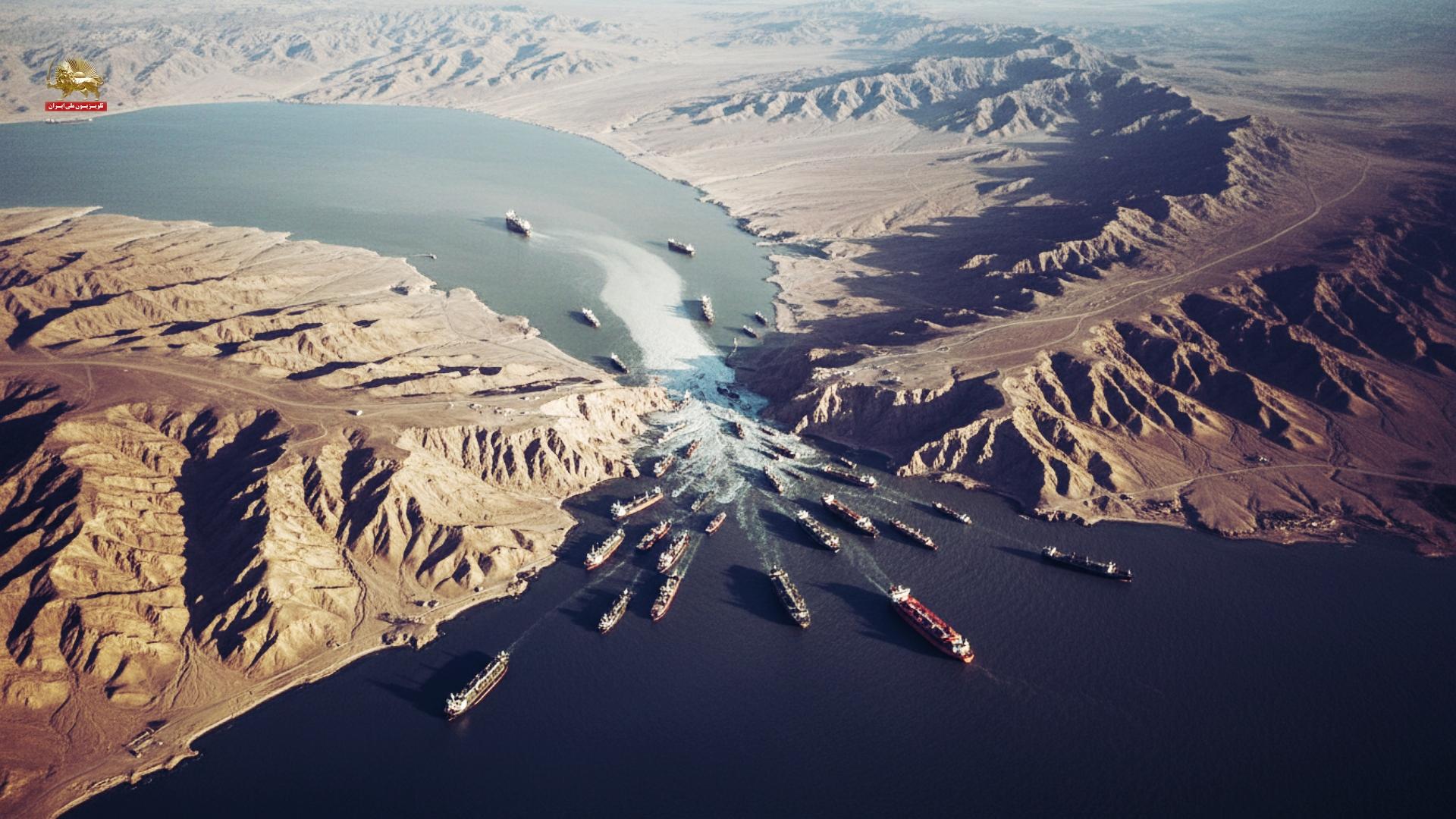
As tensions flared near the Strait of Hormuz, AP reported that a ship anchored off the United Arab Emirates was seized and taken toward Iran, while another cargo ship near Oman sank after being attacked.
AP said the seized vessel was taken by unauthorized personnel while anchored 38 nautical miles (70 kilometers, 44 miles) northeast of the UAE port of Fujairah, and that the British military said the vessel is heading toward Iranian waters.

Iran’s position on the waterway was reiterated by a senior Iranian official as the White House said the Strait of Hormuz must remain open, with AP describing the strait as a sticking point in U.S.-Iran talks to end the conflict.
In parallel, CBS News said a White House readout stated that the strait “must remain open” and that Iran “can never have a nuclear weapon,” tying the maritime dispute to the broader Iran war negotiations.
Trump, nuclear stance, and next moves
On Air Force One, Donald Trump said he threw away Tehran’s peace proposal after reading the “unacceptable” first sentence, telling reporters: “If I don’t like the first sentence I just throw it away”.
Trump added that “If they have nuclear in any form, I don’t read the rest,” while The Independent reported that his comments came as diplomatic efforts to end the war reached a stalemate.
The Independent also reported Trump’s insistence that Iran’s military power has been severely depleted, quoting him saying, “They have no navy, they have no air force, it's all destroyed,” and noting that U.S. intelligence reports suggest Iran’s military capacity remains robust.
Meanwhile, CBS News reported Trump’s broader line that he and Xi Jinping shared a desire to bring the Iran war to an end, and that Trump said Xi assured him China would not provide military equipment to Iran, describing it as a “big statement.”
More on Iran
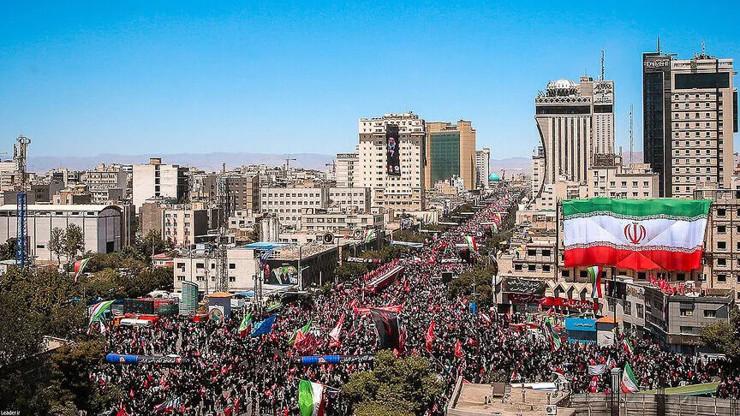
Israeli Strike Kills Ayatollah Ali Khamenei, Buried at Imam Reza Shrine in Mashhad
19 sources compared
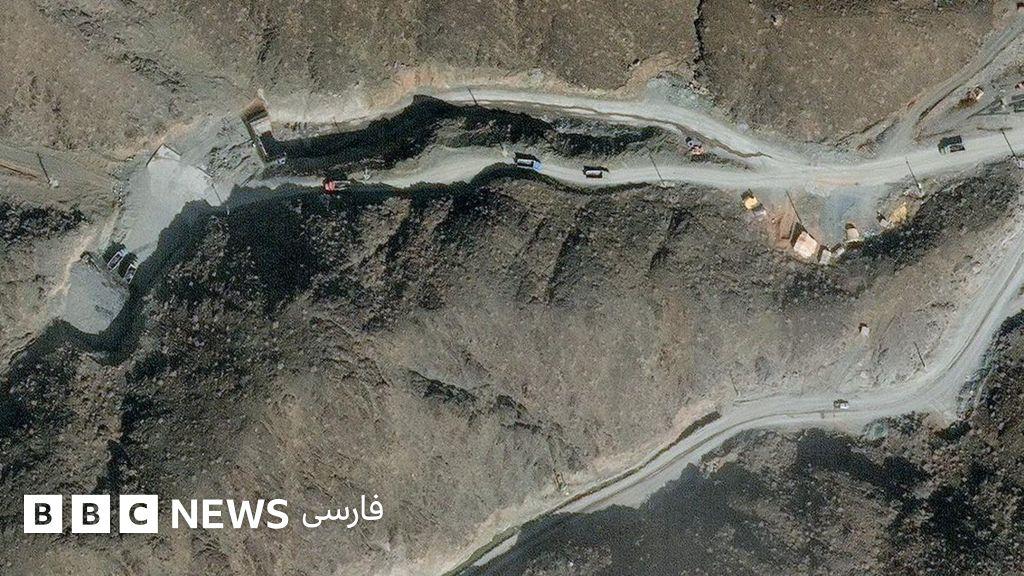
Iran Attempts To Restore Nuclear Sites Damaged In US And Israel Strikes, CNN Satellite Images Show
15 sources compared
Abbas Araghchi and Prince Faisal Bin Farhan Discuss Regional Developments After US Attacks
11 sources compared

Trump Says U.S. Agreed to Continue Iran Talks, Ceasefire Is Over
19 sources compared