Iran01 May, 20263 min read
Abbas Araghchi Warns Ships Not To Bypass Iran’s Strait Of Hormuz Route
This article is an automated aggregation of coverage from news outlets. Our editorials offer in-depth analysis curated by the NewsCord team.
Any attempt by ships to bypass Iran's Hormuz route will increase tensions. Spoke in Baghdad during a visit; urged a security framework with Gulf states.

PressTV was read line by line by the Watchdog: 4.2. See the score →
Hormuz route warning
Iran’s top diplomat Abbas Araghchi warned on Sunday that any attempt by shipping to bypass Tehran’s preferred route through the Strait of Hormuz would “increase tensions” in West Asia as U.S. and Iranian forces again traded attacks.
The warning came as a Pakistan-brokered agreement aimed at ending the war launched by the United States and Israel in February disrupted shipping through the strait and rattled global energy markets, and while a ceasefire took effect in April, sporadic violence continued in the Gulf region.

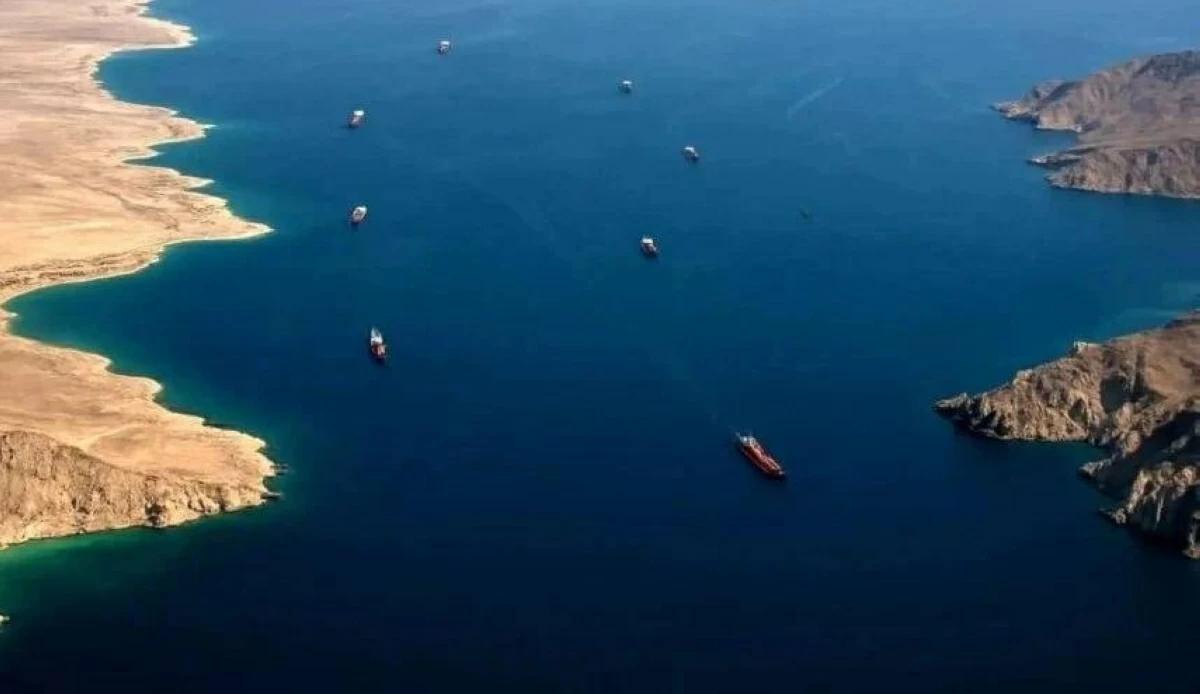
Tehran said it was angered by Oman’s announcement of an alternative route through the strait that hugged the Omani shoreline, which Muscat said was in conjunction with the International Maritime Organization.
The Hindu reported that Iran prevented most ships from using the Strait of Hormuz during the war, granting it “enormous economic leverage,” and that Iran’s enforcement of control sparked repeated flare-ups with Washington, including early Sunday attacks described by U.S. Central Command (CENTCOM) as “continued Iranian aggression against commercial shipping.”
Attacks and competing claims
In Dubai, the AP reported that Iran again launched drone and missile attacks targeting Bahrain and Kuwait on Sunday, following Iran’s attacks on ships at sea on Thursday and Saturday that led to new U.S. airstrikes against the Islamic Republic. The AP said Iran’s paramilitary Revolutionary Guard claimed responsibility for the attacks in Bahrain and Kuwait, while Kuwait said air defenses intercepted Iranian drones and two missiles just after U.S. strikes and Bahrain said the Iranian strikes damaged a residential building near the international airport with no one killed.
The AP also reported that Qatar said a civilian had been killed and another person hurt by shrapnel related to “military operations in the area” after a vessel didn’t return at its scheduled time on Saturday. Against that backdrop, the Economic Times said the United States and Iran were still debating the terms of an interim peace deal, under a memorandum of understanding signed earlier this month that gave the two sides “60 days” to iron out details, and it framed the strikes as threatening to torpedo the deal before it was finalized.
Negotiations at risk
Iran’s insistence on controlling passage through the Strait of Hormuz, and its warning that alternative arrangements would “increase tensions,” has become a central dispute as the memorandum of understanding is tested by continued crossfire and competing claims of violations. The Christian Index (AP) reported that under the memorandum of understanding signed this month, the U.S. and Iran have 60 days from that signing to work out the details, while Pakistan earlier said talks would resume on Tuesday and the Trump administration said nothing has been canceled and technical talks are on track.
The Hindu added that Iran’s Revolutionary Guards said they were taking measures to control traffic in the strait and that vessels in violation would be dealt with more firmly than before, while Mohammad Mokhber wrote on X that as long as Iran managed the strait, Washington’s “hegemonic dreams in the region will not be realised”. With the strait described as carrying “a fifth of the world’s oil and liquefied natural gas” in normal times and with ships passing through the Strait of Hormuz often the spark, the sources portray the next phase of diplomacy as inseparable from the fight over who governs routes and whether the interim deal can hold.