Asia13 August, 20263 min read
Abbas Araghchi Warns US of Even Bigger Miscalculation Over Strait of Hormuz
This article is an automated aggregation of coverage from news outlets. Our editorials offer in-depth analysis curated by the NewsCord team.
Iran says US intelligence failures fuel miscalculations over the Strait of Hormuz. Araghchi warns of an even bigger miscalculation by Washington regarding Hormuz.
Hormuz Control Clash
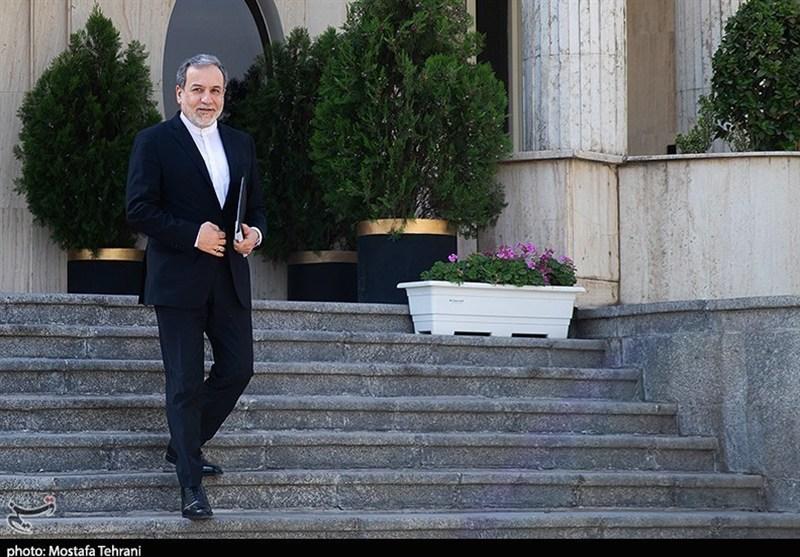
Iranian Foreign Minister Abbas Araghchi warned the United States on Thursday that Washington is making an “even bigger miscalculation” over the Strait of Hormuz, linking the risk to what he called “intelligence failures.”
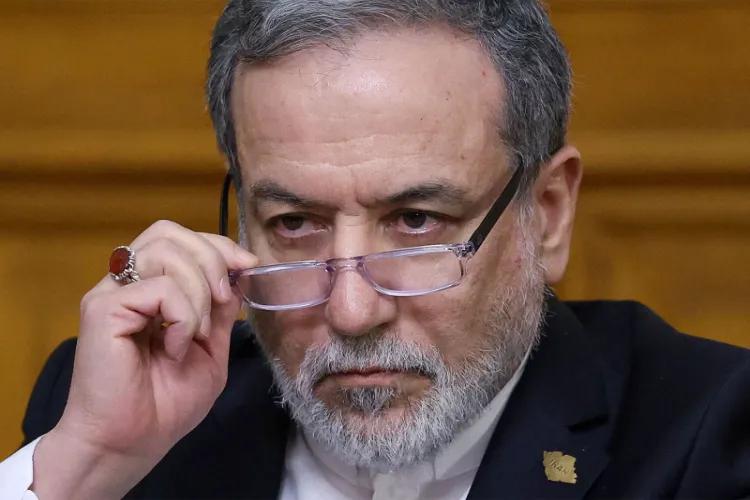
Araghchi said, “The US has long miscalculated due to intelligence failures. Case in point: the war on Iran. Now, an even bigger miscalculation on the Strait of Hormuz,” and urged caution with “Worse than fake news is fake intelligence. Be careful.”
The remarks followed US President Donald Trump’s claim on Truth Social that Washington has “total control” over the strategic waterway, with Trump writing, “I THINK WE WILL KEEP IT,” as commercial shipping through the strait remained sharply reduced.
Reuters data cited in the coverage said the number of vessels tracked transiting the Strait of Hormuz fell to a one-week low of eight, reflecting continued hesitation among ships to pass through the waterway amid heightened tensions.
In parallel, Iran’s position was reinforced by state-linked reporting that the strait remains under Iranian management and control, even as Trump insisted the US would keep its grip on the route.
Competing Claims, Shipping Data
Trump’s “total control” claim was met with Iranian counter-statements that the Strait of Hormuz is closed to US and Israeli vessels, with Iranian parliamentarian Behnam Saeedi telling state TV that “Ships belonging to the Zionist regime will not have the right to pass through the Strait of Hormuz under any circumstances.” In the same reporting, Saeedi added that “US military ships will also be barred from passing through the Strait,” while Iran’s senior officials framed the dispute as a response to US hostility and threats. Maritime disruption figures were also contested in the coverage, with Daily Excelsior citing a Tuesday tally of only 14 vessels crossing the strategic waterway and saying Kpler found 11 of those vessels used an Iranian-approved route.
That same report said none used the traditional route through the centre of the strait, and it warned that the increase “had 'not translated into normalization'” despite Trump’s assertions that the waterway is open. The dispute over control and access played out against a backdrop of sharply reduced traffic, with Reuters-cited data earlier putting the tracked transits at a one-week low of eight.
What’s at Stake Next
Beyond the immediate standoff over passage, the coverage tied the next phase to energy and environmental consequences, citing the International Energy Agency’s warning that reopening the waterway is becoming increasingly urgent as global oil stockpiles are being depleted rapidly. Daily Excelsior also reported that US officials forecast higher oil and gas prices as shipping through the strait remains at low levels, while the US Energy Information Administration described the Strait of Hormuz as a “critical oil chokepoint.” Iran’s Foreign Ministry spokesman Esmaeil Baqaei demanded compensation for pollution in the Persian Gulf and surrounding waters, saying countries benefiting from commercial shipping through Hormuz have “both a legal and a moral obligation” to address environmental damage.
The same report described an oil slick near Iran’s Qeshm Island and said Oman reported an oil spill from the sanctioned tanker Caroline Bezengi, with Oman warning a coastal strip of up to 40 km had been affected and could reach Masirah Island. As Iran continued to insist the strait would not be reopened until its conditions were accepted, the coverage also noted that negotiations between Iran and Oman were discussed but that Tehran said any new route would not on its own open the waterway unless the US meets Iran’s demands.