Asiaupdated 1h ago3 min read
ICC Unseals Arrest Warrants Against Taliban Leaders Over Gender Persecution in Afghanistan
ICC unseals arrest warrants for Taliban leaders over gender persecution in Afghanistan. Warrants target Haibatullah Akhundzada, Abdul Hakim Haqqani, Habibullah Agha, and Neda Mohammad Nadeem.
ICC Unseals Taliban Warrants
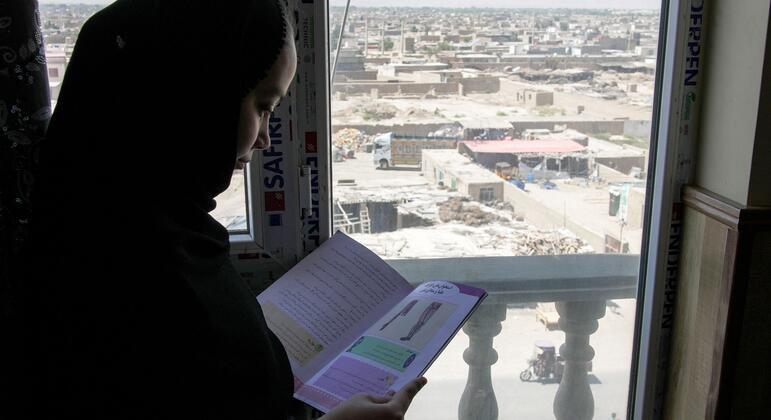
The International Criminal Court unsealed arrest warrants for four senior Taliban leaders over alleged crimes against humanity involving gender persecution in Afghanistan since the Taliban returned to power in 2021. The ICC named Taliban supreme leader Hibatullah Akhundzada, Afghan Supreme Court chief Abdul Hakim Haqqani, Education Minister Habibullah Agha, and Higher Education Minister Neda Mohammad Nadim. The ICC said the warrants were issued in July and September last year, and it described the charges as persecution on gender grounds against "girls, women and other persons nonconforming with the Taliban's policy on gender, gender identity or expression".
The ICC also said the warrants were issued on political grounds against persons perceived as allies of girls and women, and it said the judges found the suspects were "acting on behalf of the Taliban". The ICC said the Taliban have barred women from jobs, most public spaces and education beyond sixth grade, and it said last year Akhundzada banned buildings from having windows looking into places where a woman might sit or stand.

Taliban Reject, Karim Khan
Afghan government spokesman Zabihullah Mujahid condemned the ICC decision and said, "Afghanistan does not recognise any court under the title of the 'International Court,' nor does it attach any significance to its positions." Mujahid added, "we are bound by the rulings of Islamic Sharia and its courts, not by intelligence entities or so-called courts." Former ICC chief prosecutor Karim Khan announced in January last year that he requested warrants for Akhundzada and Haqqani, saying his applications "recognise that Afghan women and girls as well as the LGBTQI+ community are facing an unprecedented, unconscionable and ongoing persecution by the Taliban."
The ICC said the judges who issued the warrants found the four suspects implemented a government policy that "resulted in severe violations of fundamental rights and freedoms of the civilian population of Afghanistan". The ICC said the judges found the Taliban "specifically targeted girls and women by reason of their gender" and deprived them of rights including education, privacy and family life.
Execution Prospects and Scope
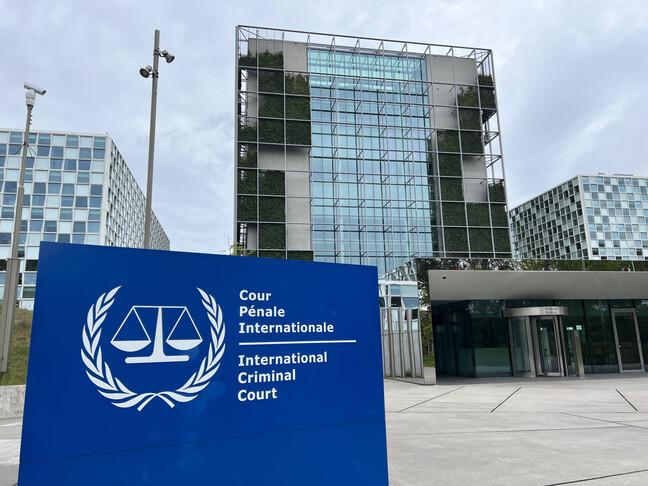
The ICC said the chances of any of the four suspects being arrested are remote because the Taliban are in control of Afghanistan and the ICC has no police force of its own. The ICC said the four suspects were charged with persecution on gender grounds and on political grounds, and it said the judges described the policy as involving "conducts of murder, imprisonment, torture, rape and enforced disappearance". The ICC said the judges found that "In addition, other persons were targeted because certain expressions of sexuality and/or gender identity were regarded as inconsistent with the Taliban's policy on gender,".
The ICC said the alleged crimes occurred since the Taliban returned to power in 2021, and it said the warrants were unsealed on Monday after their existence had been disclosed last year while they remained sealed. The ICC said the unsealing brings into the open its case against four top Taliban leaders over alleged gender persecution, while it also underlines the limited prospects of arrests as the Taliban remains in power in Afghanistan.