Abbas Araqchi Pushes Oman Mediation Between the United States and Iran Over Strait of Hormuz
Key Takeaways
- Iranian Foreign Minister Abbas Araqchi pushes Oman-mediated talks between US and Iran.
- Araqchi's shuttle between Muscat and Islamabad signals practical proposals to halt the war.
- Oman and Pakistan expanding mediation roles in efforts to resolve Strait of Hormuz crisis.
Shuttle diplomacy and a “middle way”
Iranian Foreign Minister Abbas Araqchi is at the center of a fast-moving diplomatic push to resolve the crisis between the United States and Iran, with Al Jazeera describing “shuttle visits between Muscat and Islamabad” and “indications of practical proposals to halt the war.”
“Diplomatic momentum is accelerating in the effort to resolve the crisis between Iran and the United States, as Iranian Foreign Minister Abbas Araqchi makes shuttle visits between Muscat and Islamabad, with indications of practical proposals to halt the war, alongside expanding roles for Oman and Pakistan in mediation efforts”
Al Jazeera’s correspondent in Tehran, Amer Lafi, said Araqchi is “currently in Muscat and will later return to Islamabad,” describing the movement as “a large diplomatic movement.”

Lafi added that Iranian official media “focuses on strengthening relations with Gulf states” while narrowing the visit’s objective to “boosting trust, relationships, and cooperation among Gulf states,” but he said “sources told him there are deeper aims.”
One of those aims, Lafi said, is pushing Oman to engage “directly in the negotiation process,” with Iran wanting Muscat “to play a role or participate in these negotiations.”
Lafi said Iran presented “through Islamabad a practical and implementable framework” prepared inside the Iranian National Security Council, including “a comprehensive handling of the points of disagreement with Washington,” with “foremost the siege of Iranian ports and the Strait of Hormuz.”
In that framework, Lafi said there is “a middle-ground formula,” and he described “a jointly Iran-Pakistan proposal to the United States to meet halfway,” which could involve “partial easing of sanctions in exchange for partial opening of the Strait of Hormuz.”
The same Al Jazeera report also referenced a prior step by Washington: “On April 21 this year, President Donald Trump announced extending the ceasefire with Iran, at the request of Pakistani mediation, until Tehran submits its proposal regarding the negotiations, without specifying a deadline.”
Oman’s channel and the Strait
Oman’s role is presented in the sources as both longstanding and structurally important because of the Strait of Hormuz, which Al Jazeera’s Muscat correspondent Samir al-Nimri described as “a direct geographical partner to Iran in supervising this vital passage.”
Al-Nimri said Sultan Haitham bin Tariq “welcomed the Iranian Foreign Minister,” and that “developments of the crisis and ways to resolve it were discussed, with the Iranian and Omani viewpoints presented.”
He said Oman is “deeply involved in what is happening” and that it “has long served as the main channel for negotiations between Washington and Tehran for about 16 years,” including “the nuclear file that led to the 2015 agreement” and “detainee exchanges and frozen funds.”
Al-Nimri added that Oman “seeks sustainable solutions that ensure security in the region,” and he stressed that its “expected role in the next phase is essential, especially regarding the Strait of Hormuz.”
He argued that “any future arrangements regarding the strait should include Muscat,” because the corridor has “direct impact… on the global economy,” and he said Oman is “pushing toward diplomatic solutions as the best and only way out of this crisis.”
A separate analysis in صحيفة أثير الإلكترونية frames Oman’s approach as “positive neutrality” and “resolving disputes and crises through dialogue and negotiation,” while warning that “a military solution” is not an effective tool and that “besieging the Strait will increase the crisis’s complexity.”
That same analysis ties Oman’s diplomatic efforts to concrete developments, saying “the full opening of the Strait announced by Iran yesterday” was “the product of real, calm diplomatic efforts whose reference lies in Omani diplomacy.”
It also states that Oman warned after the outbreak of war on “February 28” about “repercussions described as dangerous to regional security in general, and navigation in the Strait of Hormuz in particular,” and it links those warnings to “the closure of the Strait of Hormuz” that “disrupted international navigation there and the negative effects… on the global economy.”
Pakistan’s “fully empowered” mediation
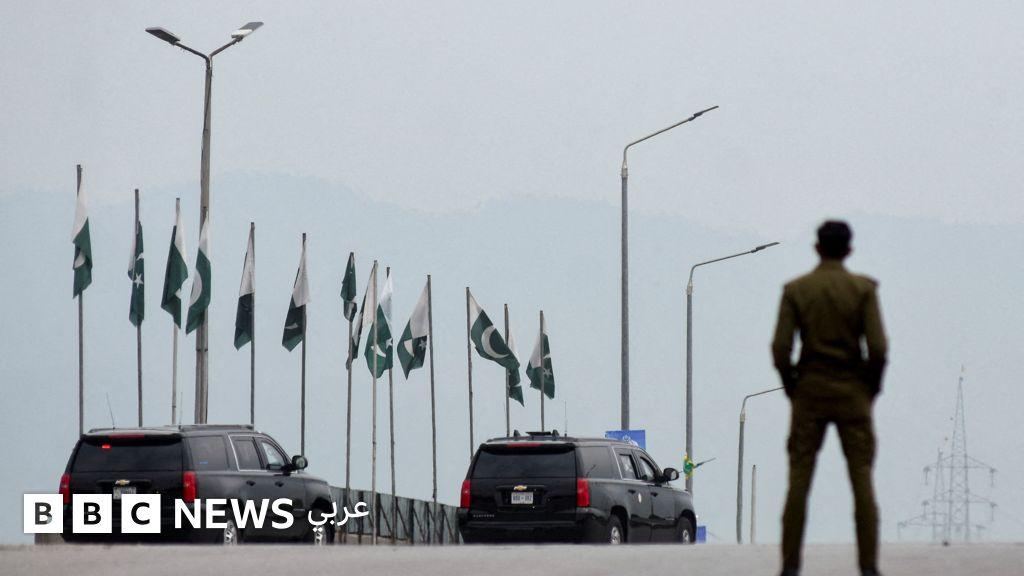
Pakistan’s role is described in Al Jazeera as shifting from facilitator to “fully empowered mediator,” with Islamabad’s bureau chief Abdul Rahman Matar saying that “Pakistan is still studying and evaluating these Iranian proposals and ideas” and “is working on adjustments before transmitting them to the American side.”
“Iran and the United States”
Matar said Araqchi’s “expected return to Pakistan may be for technical reasons related to moving the delegation,” while also allowing “the possibility of new consultative meetings.”
He stressed that “the essence of the move lies in the fact that Pakistan is still studying and evaluating these Iranian proposals and ideas,” and he said “these proposals have not yet been transmitted to Washington, and the file remains under wraps.”
In a “notable sign of Pakistan's rising role,” Matar quoted Pakistani Foreign Minister Muhammad Ishaq Dar that Pakistan “is no longer merely a facilitator, but has become a fully empowered mediator.”
Matar also linked the continued evaluation and the postponement of visits by American officials, including “Jared Kushner and Steve Witekov,” to “the possibility that the delay may be due to the final formulation of the initiative not yet being complete.”
The same Al Jazeera report ties the negotiating focus to the Strait of Hormuz, saying “the Strait of Hormuz” is “the main axis of the dispute and the principal lever in Tehran's hands,” and that Iran “links any progress in the negotiations to the easing of the blockade imposed on its ports.”
Separately, Masrawy reports a different picture of American mediation mechanics, saying a senior American official told CNN that “about 12 countries have contacted the United States” to mediate “to halt the US-Israeli war on Iran,” and that “there are no ongoing negotiations.”
Masrawy also quotes the official: “We do not use any intermediary. This is a military operation and must run its course.”
The same Masrawy piece adds that “there has been no actual exchange of messages between the United States and Iran,” and it says American envoy Steve Weitkoff “was not in contact with Iranian Foreign Minister Abbas Araghchi.”
Egypt, condemnation, and mediation offers
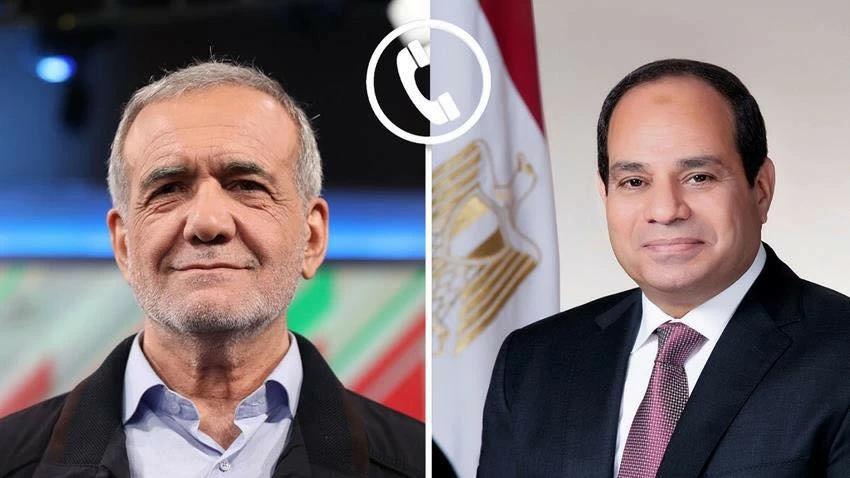
Egypt’s engagement is reported through a telephone call in عكاظ, where Egyptian President Abdel Fattah El-Sisi received a call from Iranian President Masoud Bezhkishan.
The Egyptian presidency spokesperson’s statement, as quoted by عكاظ, says El-Sisi affirmed “Egypt's unequivocal condemnation and absolute rejection of Iran's targeting of the Gulf countries, Jordan, and brotherly Iraq,” while emphasizing that those nations “did not support the war against Iran and did not participate in it.”

The statement also says Egypt “contributed to efforts to de-escalate and supported Iranian–American negotiations in pursuit of a diplomatic solution to the crisis,” and it describes El-Sisi’s regret over “the current escalation” and “deep concern about its negative repercussions on the stability of the region and the fortunes of its peoples.”
The spokesperson, Ambassador Mohamed El-Shenawy, is quoted saying Bezhkishan expressed “his appreciation for Egypt and Sisi's efforts to stop the escalation,” and that Iran “participated in negotiation rounds to reach an agreement regarding the Iranian nuclear program.”
In the same report, El-Sisi discussed “possible ways to end the escalation,” and he affirmed “Egypt's readiness to undertake every effort for mediation and to prioritize political and diplomatic solutions to the current crisis.”
The statement stresses that “all” must “respect international law and the United Nations Charter,” and it calls for “respect the sovereignty of states, the integrity of their territories, and to refrain from interfering in their internal affairs.”
This Egyptian framing sits alongside BBC Arabic’s broader discussion of mediation landscapes, which says negotiations were “hosted by Islamabad through a joint mediation described as original mediation by Pakistan and indirect mediation by Egypt and Turkey.”
BBC Arabic also describes how “the roles of the major powers receded and what is known as the middle powers emerged as leading players in conflict management,” and it quotes David Schenker saying “middle powers have now taken the lead, as in the case of Pakistan, Egypt, and Turkey in the dispute between the United States and Iran.”
Competing accounts and the next steps
The sources present a mediation process that is both active and contested, with different outlets describing whether messages are being exchanged and whether “off-ramps” exist.
“Egyptian President Abdel Fattah El-Sisi received a telephone call today, Friday, from Iranian President Masoud Bezhkishan”
Al Jazeera’s reporting emphasizes that Iran has provided a “practical and implementable framework” through Islamabad and that Pakistan is “still studying and evaluating these Iranian proposals,” while also saying “these proposals have not yet been transmitted to Washington, and the file remains under wraps.”
Al Jazeera also frames the Strait of Hormuz as the “principal lever in Tehran's hands,” with Iran linking “any progress in the negotiations to the easing of the blockade imposed on its ports.”
Masrawy, however, reports a senior American official telling CNN that “there are no ongoing negotiations,” that “any 'off-ramps' are unlikely to appear in the near term,” and that “there has been no actual exchange of messages between the United States and Iran.”
Masrawy further says the American envoy Steve Weitkoff “was not in contact with Iranian Foreign Minister Abbas Araghchi,” and it quotes the official: “We do not use any intermediary. This is a military operation and must run its course.”
BBC Arabic adds another layer by describing how the negotiations’ first round “ended without a deal,” and by stating that the talks were “hosted by Islamabad through a joint mediation” rather than under UN auspices or in a European capital.
BBC Arabic also quotes Ahmad Kandil defining “middle powers” as regional players who “influence their geographic neighborhood,” and it quotes Kandil saying “mediators are not peacemakers; they move to safeguard their security and economic interests.”
The BBC piece also ties the stakes to economic disruption, saying the fallout “has extended to the whole world,” with “disruptions to global shipping and supply chains and a sharp rise in oil prices.”
In that same BBC account, it notes Egypt’s vulnerability through energy and transit, saying Egypt was importing “about 1.1 billion cubic feet per day” from the Tamar and Leviathan fields before the outbreak of the war, and it says Israel halted gas supplies to Egypt after the start of the U.S.-Israeli war with Iran.
Taken together, the sources depict a diplomatic track that depends on whether proposals reach Washington and whether the Strait of Hormuz and port blockade issues can be traded for sanctions relief, while American officials in Masrawy’s account insist the military operation must continue.
More on Iran

Netanyahu Orders IDF To Vigorously Strike Hezbollah Targets In Lebanon
17 sources compared

Donald Trump Cancels Witkoff and Kushner Trip to Islamabad for Iran Talks
106 sources compared
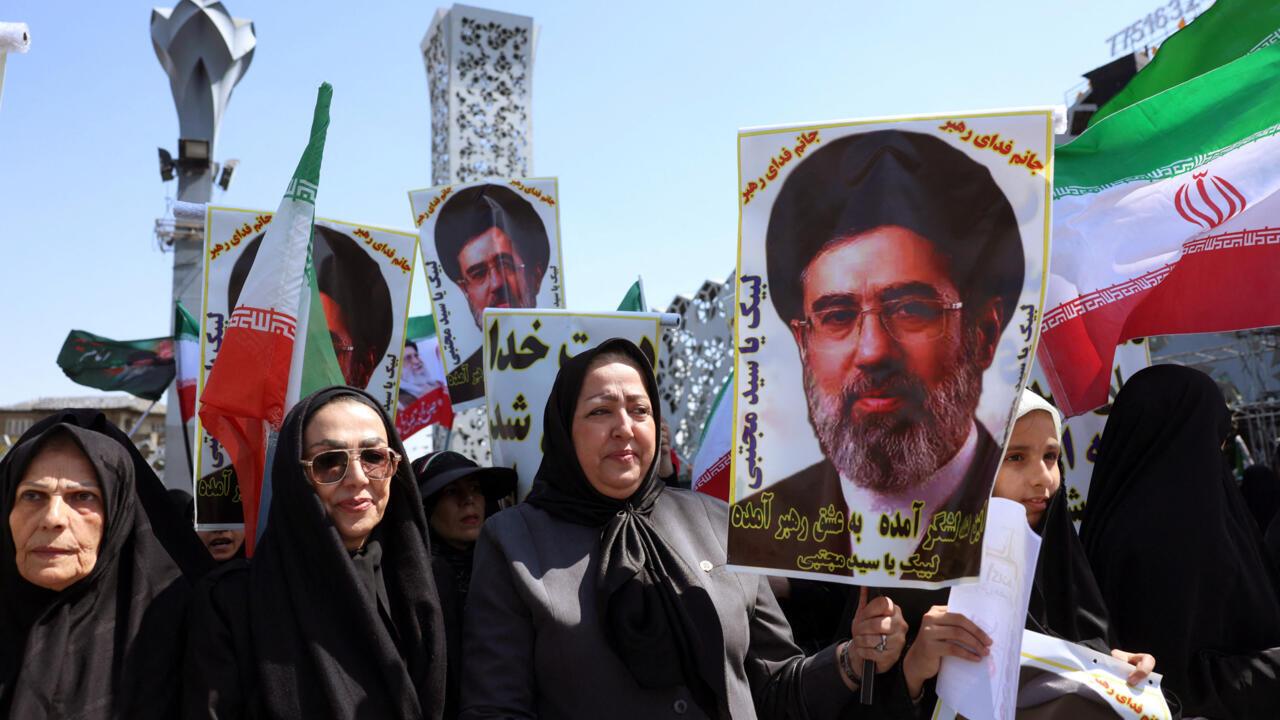
IRGC Calls The Shots In Iran As Mojtaba Khamenei Stays Out Of Public View
10 sources compared
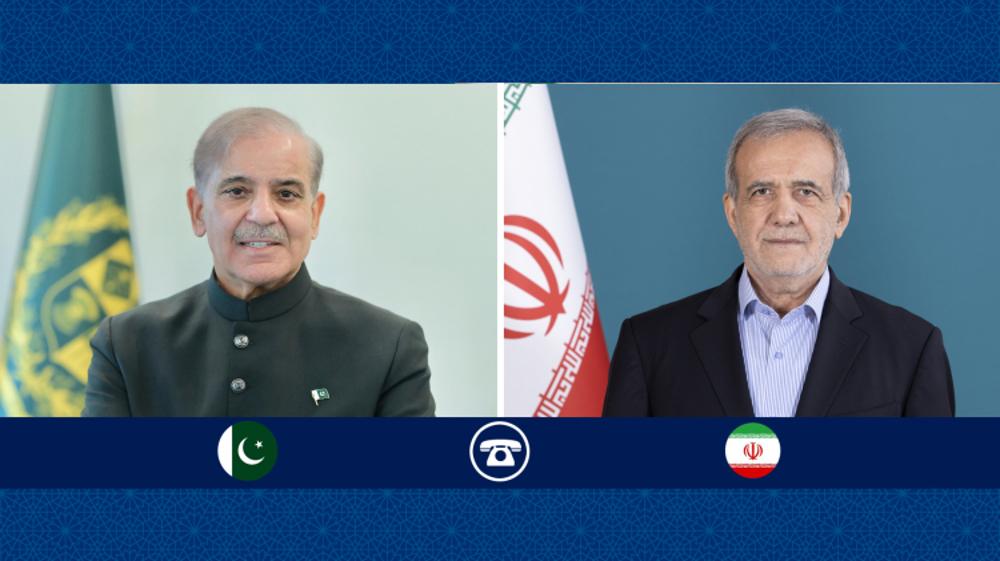
Masoud Pezeshkian Says Iran Won’t Enter Imposed U.S. Talks Under Pressure, Threats, Blockade
22 sources compared