Entertainmentupdated 25m ago3 min read
Archive photo · 24 August 2024Abdelrahman ElGendy Wins National Book Award After U.S. Visa Denial
“RFK Jr. has never been one for factual accuracy.”
“The law gives him, and the audience that wanted to hear him, almost no way to challenge the refusal.”
This article is an automated aggregation of coverage from news outlets. Our editorials offer in-depth analysis curated by the NewsCord team.
Egyptian author Abdelrahman ElGendy won the National Book Award for nonfiction. Denied a U.S. visa days before the ceremony, he watched from Europe.
Save coverage image
ElGendy wins, absent
Abdelrahman ElGendy won the National Book Award for nonfiction for “Huna: A Memoir of Revolution, Prison, and Becoming” while he watched from Europe after a U.S. visa denial kept him from attending the ceremony in New York City. ElGendy’s editor, Helen Thomaides, accepted the award on his behalf and read ElGendy’s statement that “Today, that dream should have come full circle, but like so many of the circles ruptured in my life, it will remain unfinished, broken by an oppressive regime with a fascist ideology.” Hannah Lillith Assadi won the National Book Award for fiction for “Paradiso 17,” and Brenda Hillman won the poetry prize for “Still House in the Desert: An eco-contemplation.”
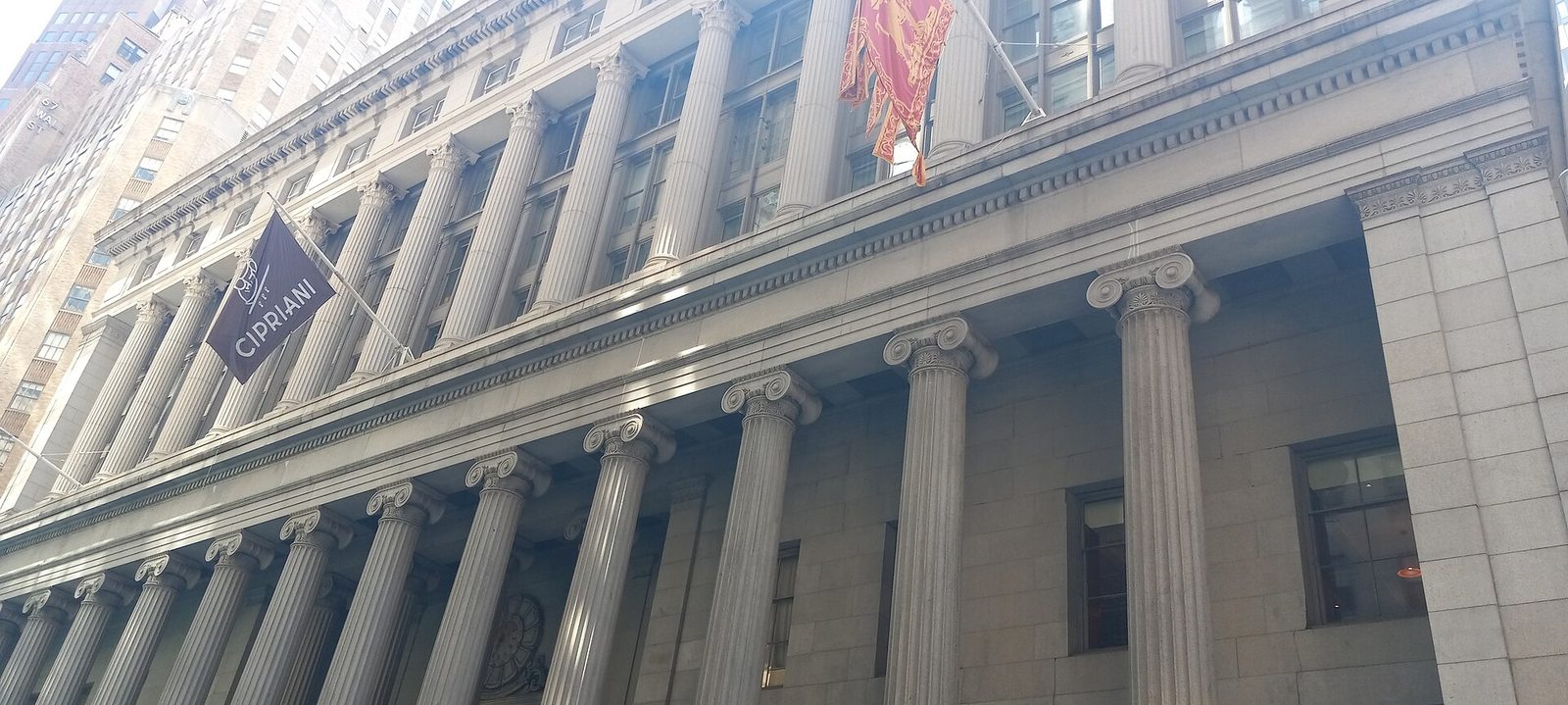
David Levithan and Gabriel Duckels won the Young People’s Literature Award for “The Fight Of Our Lives: AIDS In America,” and Kyle MacLachlan hosted the dinner ceremony at Cipriani Wall Street. The National Book Foundation presented the awards after it issued a statement just hours before the ceremony saying it had “changed the rules a few years ago,” according to NPR’s Andrew Limbong.
Visa denials and solidarity
The National Book Foundation said it denied visas to ElGendy and to Syrian writer Samar Yazbek, and the State Department declined to comment on any specific cases while issuing a statement that “a visa is a privilege, not a right.”
ElGendy’s acceptance speech included the line “A years-long dream of mine has come true, and I’m not there to live it with you,” and his editor read it during the ceremony.
The Straits Times reported that ElGendy left the U.S. for fear he would be arrested by U.S. Immigration and Customs Enforcement, and it said he had been arrested in 2013 during protests in Cairo and spent six years in prison.
The law described in immigration-analytics said the refusal “is, as a rule, not reviewable in court,” and it said the Supreme Court in Kleindienst v. Mandel ruled 6-3 that judges will not look behind a “facially legitimate and bona fide reason.”
The foundation said it “feels unjust that some, but not all, of our finalists are able to participate in in-person programming,” and the article said public pressure was the main channel available to the foundation and nominees.
What the awards mean
The National Book Awards gala put the spotlight on how immigration status can shape cultural participation, with the ceremony honoring books while finalists faced visa denials that kept them from attending. Publishing Perspectives said ElGendy’s win came as he was unable to accept his award in person, and it described his nonfiction memoir as detailing his years as a political prisoner following the military coup that ousted Mohamed Morsi. The Los Angeles Times said RFK Jr. had incorrectly claimed that Arabs do not produce science, literature, or win Nobel prizes, and it pointed to ElGendy’s award as an example of Arabs winning major honors.
The Los Angeles Times also said ElGendy was invited to the awards ceremony in New York City but “was unable to attend after the U.S. consular office denied him a visitor visa.” The Straits Times reported that Publishers submitted 1,912 books in all, and it said the awards were judged by panels of authors, editors, booksellers and others in the literary community.