Israeli Politicsupdated 27m ago2 min read
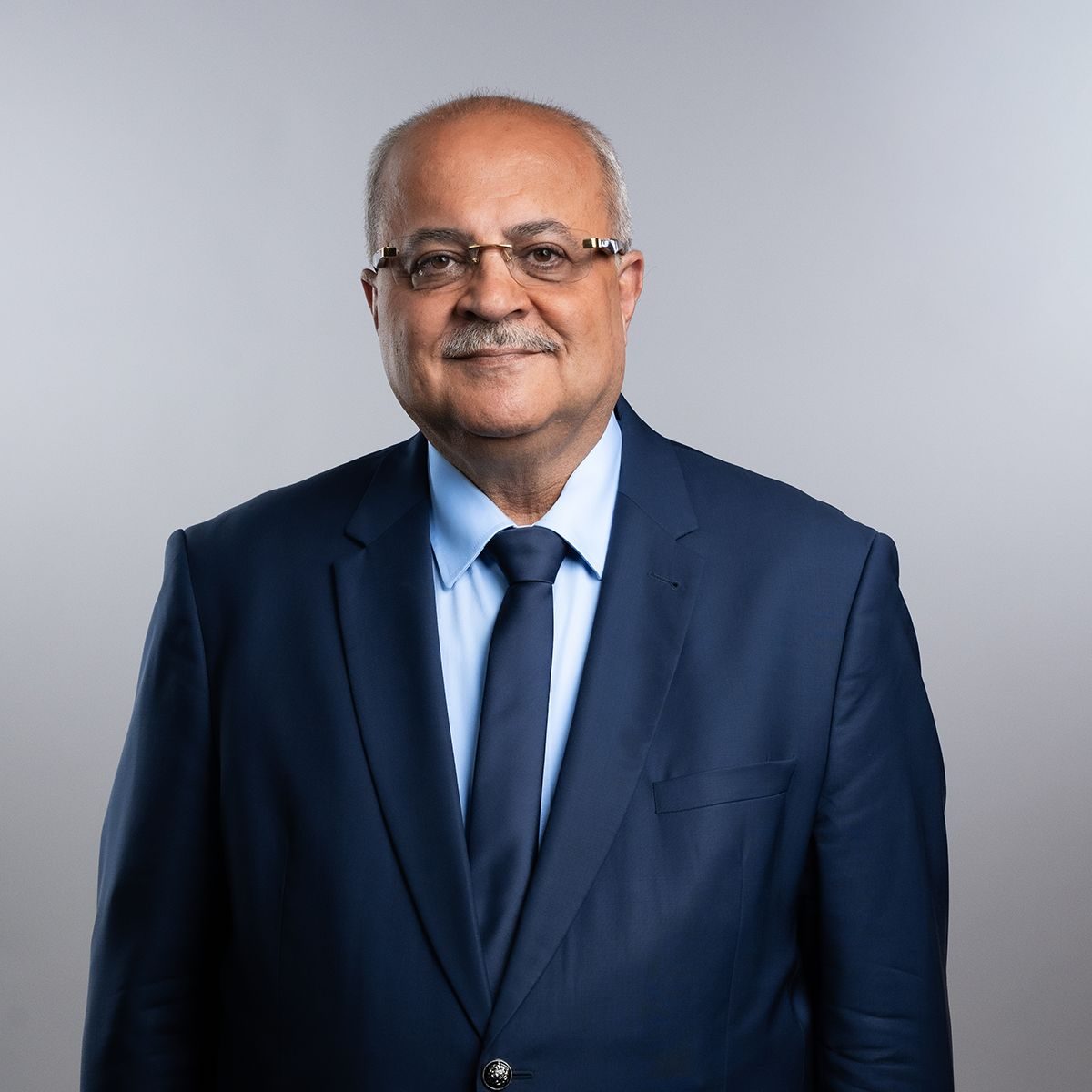
Archive photoAhmad Tibi and Walid Taha Elected Temporary Knesset Deputy Speakers
3 West Asian1 Israeli1 OtherPhoto: ורד ג'ראיסי, CC BY-SA 3.0 · Cropped for layout
This article is an automated aggregation of coverage from news outlets. Our editorials offer in-depth analysis curated by the NewsCord team.
Ahmad Tibi appointed temporary Knesset deputy speaker. Walid Taha appointed temporary Knesset deputy speaker.
Save coverage image
Deputy Speakers and Dispute
Ahmad Tibi and Walid Taha were elected deputy speakers of the Israeli Knesset, with the Foreign Affairs and Security Committee also appointing Avigdor Lieberman as its chairman. The Knesset’s Arrangements Committee approved a list of nine temporary deputy speakers by a 13-9 vote after a heated debate, and the list included Eitan Ginzburg, Ahmad Tibi, Yair Fink, Walid Taha, Limor Son Har-Melech, Michael Malkieli, Oded Forer, Yitzhak Pindrus and Boaz Bismuth. Israeli media quoted Lieberman calling all heads of the security establishment to a meeting at the committee’s headquarters, and Lieberman said there was unlawful interference from Benjamin Netanyahu in the elections.
Israeli Defense Minister Yisrael Katz said he would not allow Lieberman to turn the Foreign Affairs and Security Committee into a political arena and a tool to attack the army and the government. The Knesset’s Foreign Affairs and Security Committee oversees the security and military establishments, foreign policy, and the intelligence agencies, according to the Knesset’s website.
Lieberman, Katz, and the Committee
Lieberman told reporters that he called all heads of the security establishment to a meeting at the committee's headquarters, and he said there was unlawful interference from مكتب بنيامين نتنياهو in the elections. Katz said, "I will not grant these approvals except on objective and professional grounds, after prior clarification and coordination," as he described his authority to approve summoning army representatives to appear before the committee. The Times of Israel reported that Likud MK Ofir Katz accused the committee of "normalizing terror supporters," while Otzma Yehudit MK Yitzhak Kroizer said the appointments were a "Rubicon that must not be crossed."
Ginzburg responded by accusing Likud of hypocrisy, saying, "Every member of this house can serve in any position," and he added that Arab lawmakers had previously served as deputy speakers. The dispute unfolded as Likud and its right-wing allies continued efforts to delegitimize Arab parties after losing their parliamentary majority in last month’s election, in an apparent bid to undermine Gadi Eisenkot’s efforts to form a government with their backing.
Government Talks and Arab Leverage
Israeli President Isaac Herzog tasked Gadi Eisenkot on Nov. 8 with forming a new government, with a possible 14-day extension, after the Oct. 27 parliamentary elections left Netanyahu’s bloc with 53 seats in the 120-member Knesset.
Anadolu Ajansı said neither Netanyahu’s bloc nor Eisenkot’s bloc secured the 61 seats needed for a parliamentary majority, giving Arab parties a potentially decisive role in efforts to form a government.
Al-Jazira Net described secret negotiations between the party יهدوت هتواره and representatives of كتلة آيزنكوت, and it said Haaretz reported the talks were conducted in complete secrecy.
Al-Jazira Net also quoted the head of יهدوت هتواره, يعقوب آشر, announcing Sunday evening that "the reports of notable progress in the talks and exchange of drafts with the party are baseless."
Al-Jazira Net linked the negotiations to the conscription issue for the Haredim, describing their insistence on military exemptions for students of religious institutes and the demand by أحزاب معسكر التغيير to broaden the scope of service.