Canadaupdated 1h ago3 min read
Alberta Voters Head to Polls to Decide Whether to Separate From Canada
This article is an automated aggregation of coverage from news outlets. Our editorials offer in-depth analysis curated by the NewsCord team.
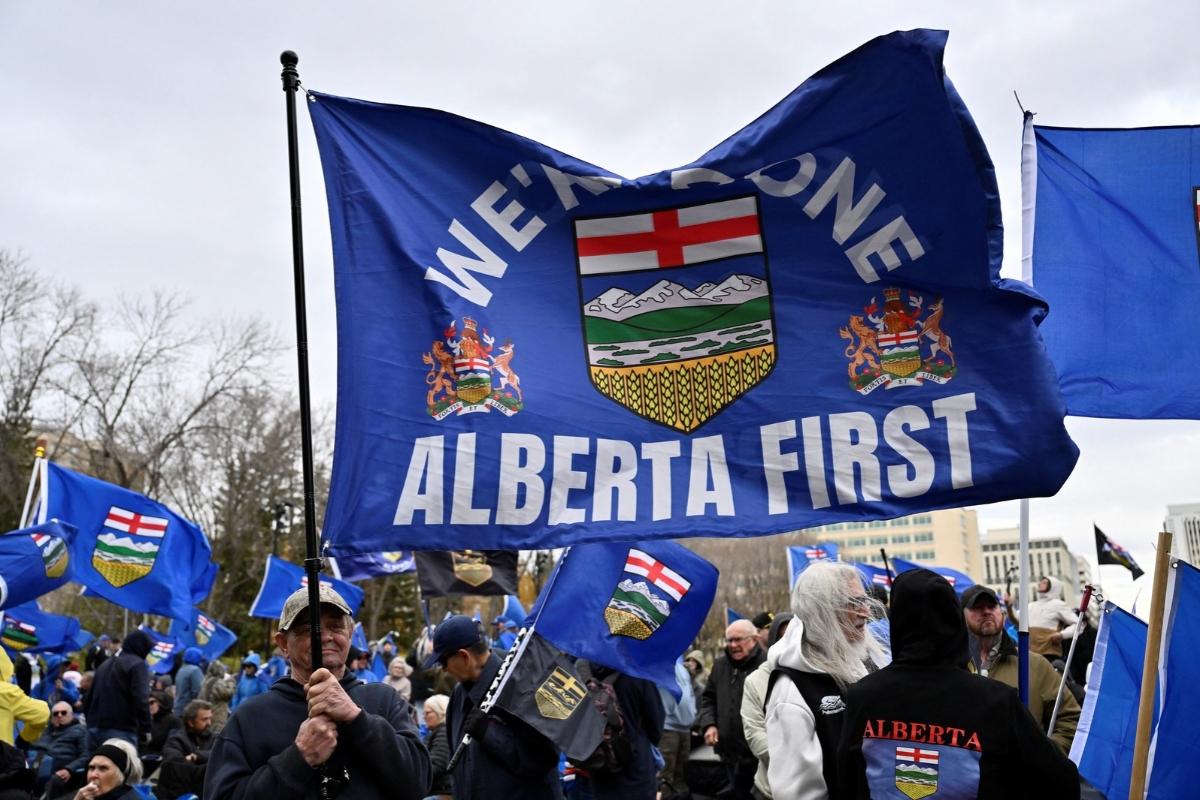
Albertans vote to decide whether to start the independence process in a nonbinding referendum. Petition by Stay Free Alberta gathered about 300,000 signatures to trigger the vote.
Polls on Separation Process
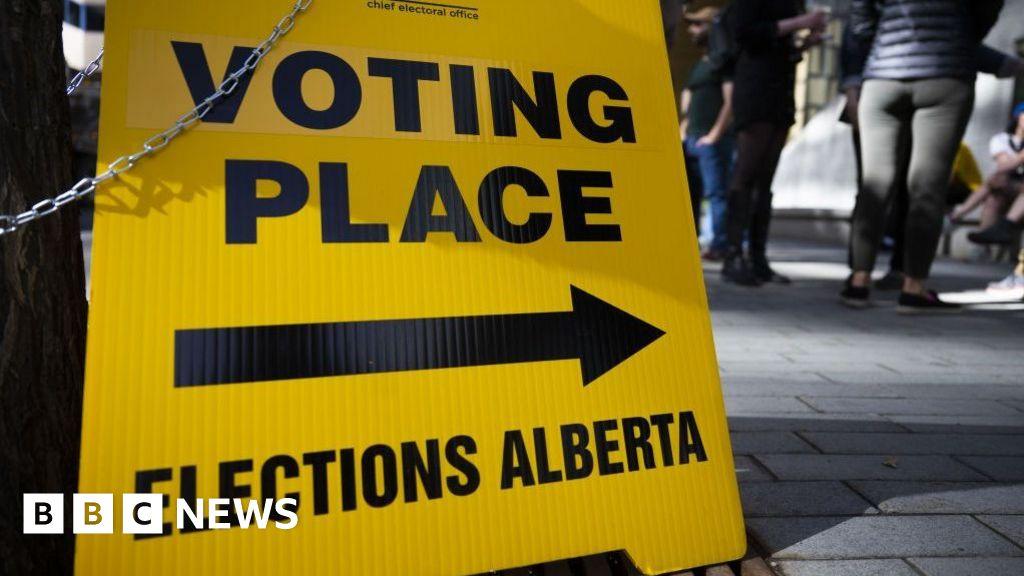
Alberta headed to polls on Monday to decide whether the province should remain in Canada or whether the Government of Alberta should commence the legal process required under the Canadian Constitution to hold a binding provincial referendum on whether or not Alberta should separate from Canada. Danielle Smith called the vote after a grassroots group gathered about 300,000 signatures on a petition, and the BBC said the question on the voting paper would ask voters to choose between staying in Canada or starting the legal process required for a binding referendum. A court blocked the pro-separation petition for failing to consult indigenous First Nations whose land would be affected if the province separated, and First Nations groups branded Smith’s decision to allow the voting process to play out as "undemocratic" and "authoritarian".
The referendum also included ten questions, and Elections Alberta said 1,356,873 people, 43.1% of the 3.15 million electors, had already cast their vote, including 837,791 in the five days of advance voting and 519,082 by special or mail-in ballot. Polls suggested a majority of Albertans would vote to remain in Canada, while the Spanish-language EFE report said polls indicated between 22% and 34% of Alberta residents support starting the process toward independence.

Carney Warns, Smith Defends
Prime Minister Mark Carney campaigned for a decisive vote against separation, and he told a rally in Calgary that "The world has become more dangerous and divided. Some outside our borders are working to break us so they can own us."
Danielle Smith defended allowing the voting process to continue despite the court ruling, and the BBC reported that she said the process gave the province's residents a chance to have their say on the issue.
Carney also warned that the referendum came at "the worst possible time," and he urged Albertans to deliver a "decisive result" against separation.
The separatist movement was led by Mitch Sylvestre, a gun shop owner from the town of Bonnyville, and Jeffrey Rath, a lawyer based in Calgary, both members of a group called the Alberta Prosperity Project.
Pro-independence voters in Edmonton said they felt their voice was not heard in Ottawa, and Jennifer Trudeau said she did not want a full divorce from Canada but believed the province needs to "assert its rights".
Cost, Unity, and Indigenous Rights
The referendum unfolded against warnings about economic uncertainty, and the BBC said those who oppose separation warned that the uncertainty, likened to the UK's Brexit vote to leave the European Union in 2016, would drive thousands of jobs and investment out of the province. Danielle Smith estimated the cost of separating at about C$400bn (£212bn) for the transition and another $25bn-$50bn in annual costs associated with starting a new country. The University of Calgary's school of public policy estimated in June that separation could be up to $170bn over a five-year period and be highly unpredictable in the long term.
Indigenous representatives criticized the process, and the EFE report quoted Sheldon Sunshine, chief of the nation of Sturgeon Lake, describing the referendum as a "complete nonsense" and accusing Smith of ignoring the province’s legal obligations to the First Nations. Elections Alberta said the question on separation would be tallied first, and the EFE report said results pertaining to the separation question could be known between 1:00 and 4:00 on Tuesday, with provincial regulations allowing up to 48 hours to complete the count and publish all provisional results.