
Business · updated 1h ago · 3 min read
Amazon Web Services CEO Matt Garman Promises More Than $1 Billion For Data Center Communities
AWS to invest over $1 billion over five years in data center host communities Funds support education, job training, energy and water projects, with community input
18 outlets told this the same way.
Outlets did split on CATL Starts Trial Production at Debrecen Battery Cell Plant in Hungary →
10 of 12 outlets skipped it: amazon stops using nondisclosure agreements with government agencies.
18outlets compared


Amazon funds data center towns
Amazon Web Services CEO Matt Garman said Amazon will invest more than $1 billion over the next five years in communities where it operates data centers, and he framed the effort as a response to backlash from politicians and consumers. Amazon said the program will support education, job training, energy affordability, water and energy preservation, and other local priorities, while also warning that “Right now there are over 100 data center moratoriums being considered across the country.” Amazon added that it is no longer using nondisclosure agreements with government agencies it works with on its projects, and it said it hosts open houses in communities where it operates to share information about what it’s doing.
Amazon also said it hosts the “Built Together” initiative to fund free studies at local universities and vocational training, along with energy-efficiency upgrades for schools and housing. Amazon’s plan arrives as data centers have become a hot political issue heading into the midterms, with CBS News reporting that a recent CBS News found more Americans oppose than favor data centers in their areas.
 About Amazon
Garman cites misinformation
Amazon said Garman warned against the spread of what he believes is misinformation about data centers’ impact on the environment and energy rates, and he tied the stakes to the AI race. Garman wrote, “If these measures are enacted, the U.S. could be writing its own losing ticket to this race, and the consequences would last generations,” as he urged that moratoriums should not proceed. Ars Technica reported that advocates at Stand.Earth told the outlet Amazon is the one being “misleading” by spreading “corporate propaganda,” while Stand.Earth criticized the plan for not addressing a power plant it said would become the largest source of US climate pollution.
Amazon also promised it will be “water positive” by 2030, and it claimed that 75 percent of projects have already met this goal. Amazon’s commitments also included a pledge to ensure data centers wouldn’t increase power bills or wipe out local water supplies, according to Ars Technica’s account of the company’s statements.
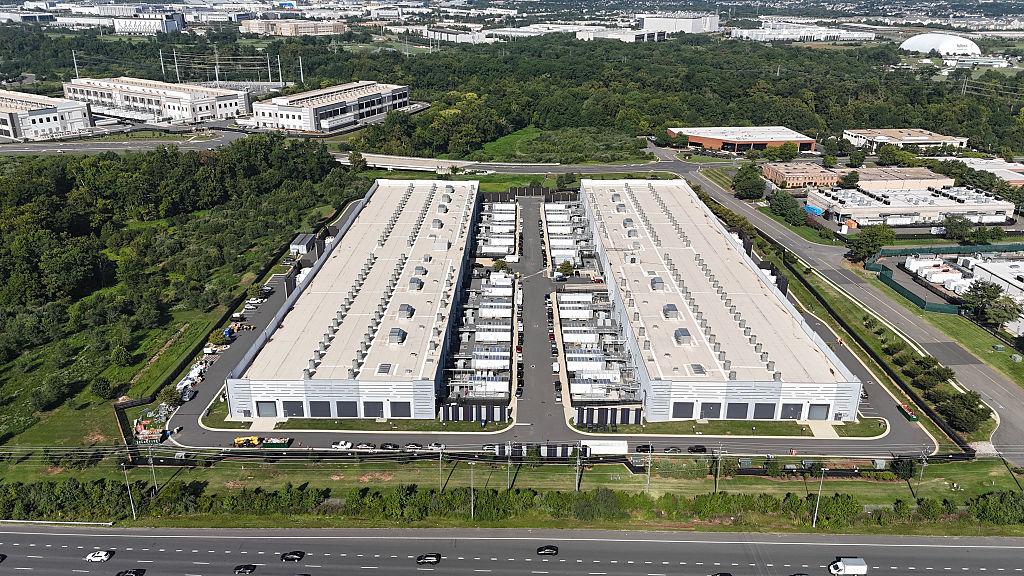 Ars Technica
What Amazon says it will do
Amazon said its “Data Center Commitment” would include publishing annual figures on its energy and water consumption and promising that its facilities will not raise local electricity bills. Amazon also pledged to ensure it will stop using nondisclosure agreements with government agencies in its projects, and it said it would stop pursuing NDAs as a major point of friction with opponents. Amazon said it would work with electric utilities and regulators so that the rates it pays cover the energy and infrastructure improvements needed for its facilities, and it aimed to prevent those costs from raising residents’ bills.
Amazon said it planned energy-efficiency upgrades for more than 300 schools and community buildings and more than 30,000 homes, and it described a target of a 20% to 40% reduction in energy bills. Amazon’s broader business stakes included a projection that by 2030 data centers will account for nearly 3% of the world’s projected electricity use, with 935 trillion watt-hours, according to a United Nations University report cited by AP News.