Entertainmentupdated 24m ago2 min read
Archive photo · 24 January 2009Jewish Heirs Seek Sotheby’s Withdrawal of $180 Million Van Gogh Over Nazi-Era Duress Claim
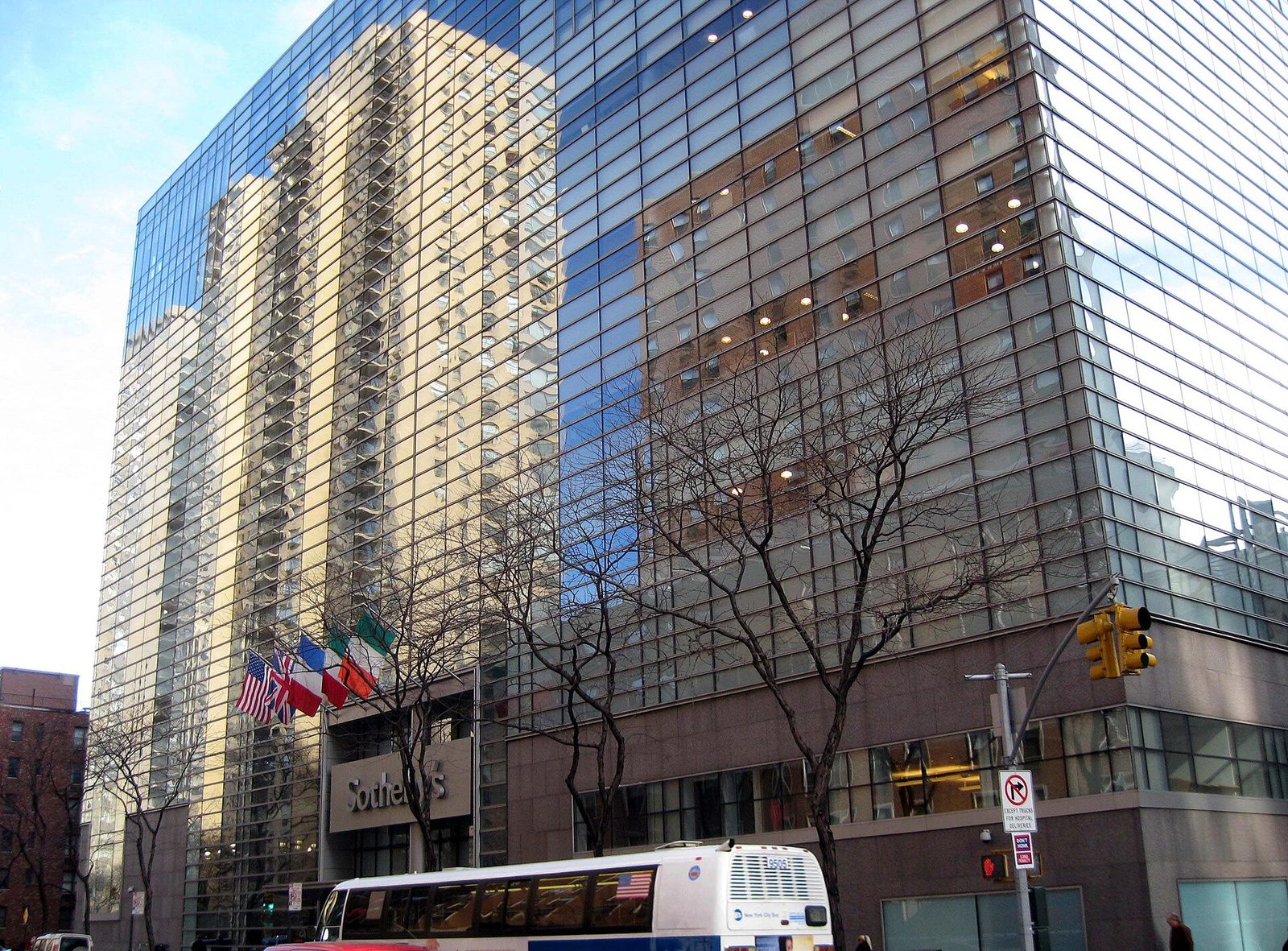
3 Western Mainstream2 Israeli1 Asian3 Other source typesPhoto: Jim.henderson, Public domain · Cropped for layout
This article is an automated aggregation of coverage from news outlets. Our editorials offer in-depth analysis curated by the NewsCord team.
Fischer heirs urge Sotheby's to withdraw Châtaigniers en Fleurs due to Nazi-era duress. The painting carries estimated value around $180 million; dispute arises days before sale.
Save coverage image
Heirs seek auction halt
Jewish heirs of a Fischer family painting have asked Sotheby’s to withdraw Vincent van Gogh’s “Châtaigniers en Fleurs (Blossoming Chestnut Trees)” from an auction in Manhattan, arguing the 1936 sale was made under duress during Nazi persecution. Gunnar Schnabel, the heirs’ Berlin lawyer, urged Sotheby’s to prove beyond a doubt that the painting was sold at market value in 1936 and that the family “would have wanted to carry out the sale even without Nazi rule.” Sotheby’s said its “extensive research” has not established that the painting was sold under duress, while the auction house said it would work with the family to reach a solution.
Sotheby’s has scheduled the painting to go under the hammer in New York on Wednesday, with the work carrying an estimate of $180 million and being part of the Blaquier-Arrieta collection. The painting is backed by a financial guarantee from Sotheby’s, the heirs live in the United States, and the heirs challenged the sale just days before the auction.
Sotheby’s research and dialogue
Sotheby’s told the BBC it was aware of the concerns raised by representatives of the Fischer heirs and said it had been in dialogue with them regarding the painting’s history. Sotheby’s also told the BBC that it was “committed to working toward a mutually satisfactory resolution,” even as it said its research to date had not established duress. The painting is being sold as part of a set called the Blaquier-Arrieta Collection, and Sotheby’s website details ownership history since 1890.
Sotheby’s did not say whether the painting would remain in the catalog, after the heirs’ last-minute challenge. The heirs’ argument, as described by The Telegraph, centered on the claim that the family was forced to sell in Amsterdam under Nazi duress before the Second World War.
Auction stakes and context
The 1890 painting carries an estimate of $180 million, described as the highest for any lot at this season’s art auctions and higher than any price ever paid at auction for a work by Van Gogh. The artist painted the work in Auvers-sur-Oise, near Paris, after spending two years in the south of France, and the painting is the centerpiece of the marquee fall auctions coming up next week. Heirs argued the painting was sold in Amsterdam before the Second World War as a result of financial losses sustained by their family’s publishing company under the Nazis.
The painting’s title translates as “Blossoming Chestnut Trees,” and the heirs’ lawyer wrote to Sotheby’s urging proof that the 1936 sale was at market value. The heirs live in the US and argued the auction should not proceed unless Sotheby’s could prove the family “would have wanted to carry out the sale even without Nazi rule.”