
Africa · 29 July, 2026 · 3 min read
Amnesty International and Partners Cite Leaked Documents Linking Shell to $10.9 Billion Niger Delta Cleanup Liability
Leaked documents reveal a $10.9 billion Niger Delta cleanup liability. Amnesty and partners allege decades of pollution and rule violations by Shell in Niger Delta.
Whether media plans and PR tactics are central to the story.
6 of 8 outlets skipped it: shell exempted SPDC from some global health/safety standards.
11outlets compared
Same story, two versions
tap a side to read it in full
Irish Legal News
“A coalition of human rights and environmental organisations has accused”Read the original ↗
Oil Change International and Amnesty foreground collusion and media spin more than Irish Legal News.
Shell documents and liability
Amnesty International and seven partner organisations say leaked internal documents expose an estimated $10.9 billion decommissioning and cleanup liability for Shell Plc tied to decades of pollution in Nigeria’s Niger Delta, based on 27 redacted documents disclosed in UK litigation.
“exposed an estimated $10.9 billion decommissioning and cleanup liability for Shell Plc”
The coalition says the documents show years of neglected infrastructure, weak oversight, and efforts to minimise cleanup costs before Shell sold its onshore Nigerian business in 2025, and it cites a 2013 internal assessment that full decommissioning of SPDC assets could cost about $10.9 billion.
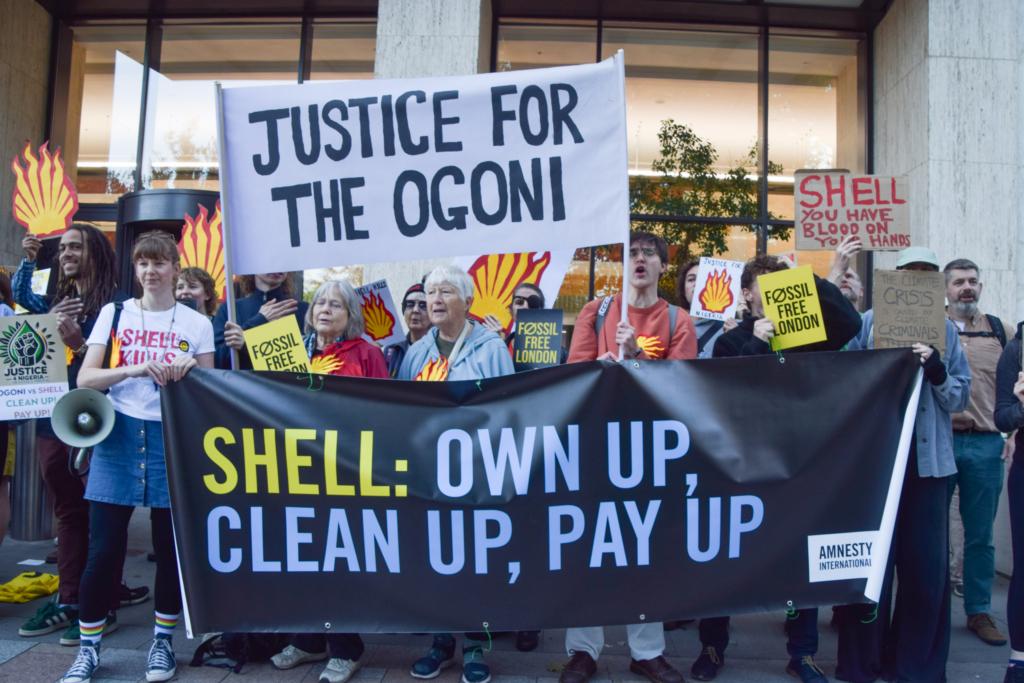
Amnesty also says the documents estimate that 375 square kilometres of mangrove forest have been damaged, and it points to an internal 2013 note asking, “Are we comfortable to continue producing, KNOWING that further environmental damage WILL occur?”
Shell’s response, as quoted in the reporting, rejected the report’s characterisation, saying the NGO had “selectively referred to and quoted from documents in a way that creates a misleading impression” and pointing to a challenging operating environment in the Niger Delta, including large-scale oil theft and illegal refining.
Accusations of knowing and collusion
Amnesty and partners accuse Shell of knowingly allowing environmental damage to continue for years, saying the company continued operating ageing pipelines despite repeated internal warnings about their condition.
The report described one pipeline, the old Nembe Creek Trunk Line, as “a basket” because of its deteriorating state, and it alleges the pipeline remained filled with crude oil years after it was replaced, leading to multiple spills.
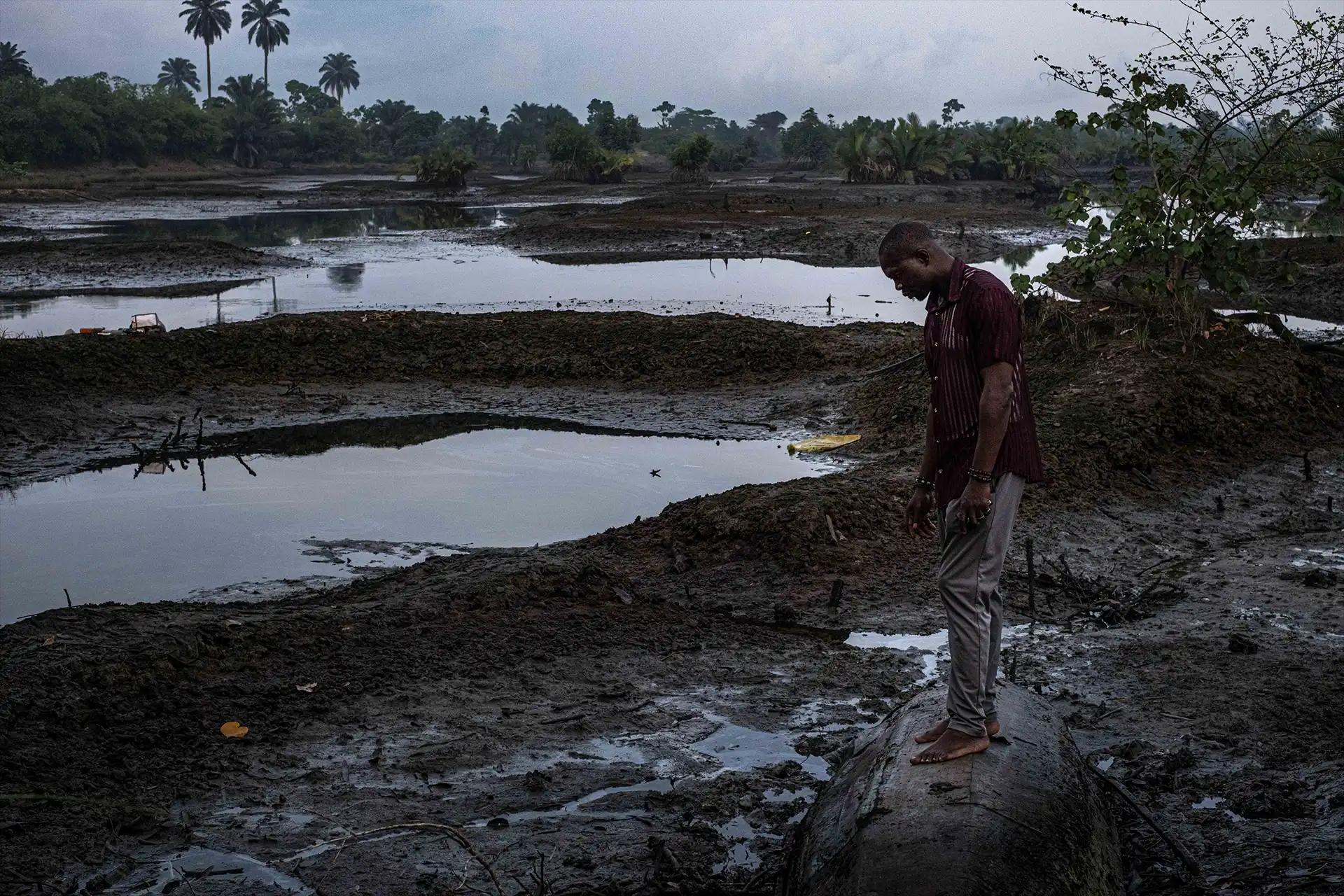
In the same Amnesty-linked account, Isa Sanusi said, “The real scandal is Shell’s pursuit of profit at the expense of people’s rights,” adding that Shell “knew the risks from ageing and leaking infrastructure, including an internal description of a pipeline as ‘a basket’, yet kept oil flowing.”
The allegations also include claims of internal integrity failures and possible collusion, with the reporting quoting a Shell manager’s 2012 line that “there is collusion, nepotism and corruption running through the veins of [SPDC]… Shell’s Code of Conduct is an inconvenience here: it’s completely ignored,” as cited in the report.
Legal fallout and demands
The controversy is tied to UK court proceedings, with much of the material stemming from a 2015 lawsuit by the Bille and Ogale communities against Shell and SPDC, and the Bille case is due to be heard in March 2027.
“The Bille case is due to be heard in March 2027”
Amnesty and partners are calling on the Nigerian government to overhaul oil sector regulation, mandate transparent audits of active and retired assets, and set up a dedicated restoration fund for the Niger Delta, while also urging UK and Dutch regulators to investigate whether Shell misled shareholders and regulators about the state of its operations and liabilities.
The reporting also says the 27 documents were made public in April 2026 after campaign groups won a public-interest disclosure, with additional documents revealed in May, meaning the dispute is expected to continue through the Bille case and possible regulatory probes in Europe.
Shell, for its part, rejected the allegations and said its former Nigerian subsidiary worked with authorities and partners to respond to spills “regardless of cause,” as required by Nigerian law, while Renaissance Africa Energy, the firm that bought Shell’s onshore assets in 2025, did not respond to Amnesty’s requests for comment.