
Britain · 30 July, 2026 · 3 min read
Andy Burnham Announces England Mayors Will Keep Income Tax Share From 2028
Mayors will keep a share of income tax in their area from 2028. They will also retain a portion of local business rates by 2027.
Whether the plan is 'new money' vs replacing grants.
8 of 11 outlets skipped it: mayors can borrow 30-year loans against projected income.
BBC was read line by line by the Watchdog: 1.5. See the score →
11outlets compared
Same story, two versions
tap a side to read it in full
Metro and WMCA lead on 'firepower' framing, while BBC stresses funding-loss risks and detail gaps
Burnham’s tax devolution
Prime Minister Andy Burnham will announce plans to shift power from Westminster by letting England’s directly elected mayors keep a share of income tax generated in their area from 2028 and retain business rates totalling tens of millions of pounds by April 2027.
“Andy Burnham will announce the measures on Friday as part of what he called “the biggest transfer of power from Westminster in a generation”.”
The government says the new funding model will replace existing grants rather than add new money, and Burnham frames it as “the biggest transfer of power from Westminster in a generation”.
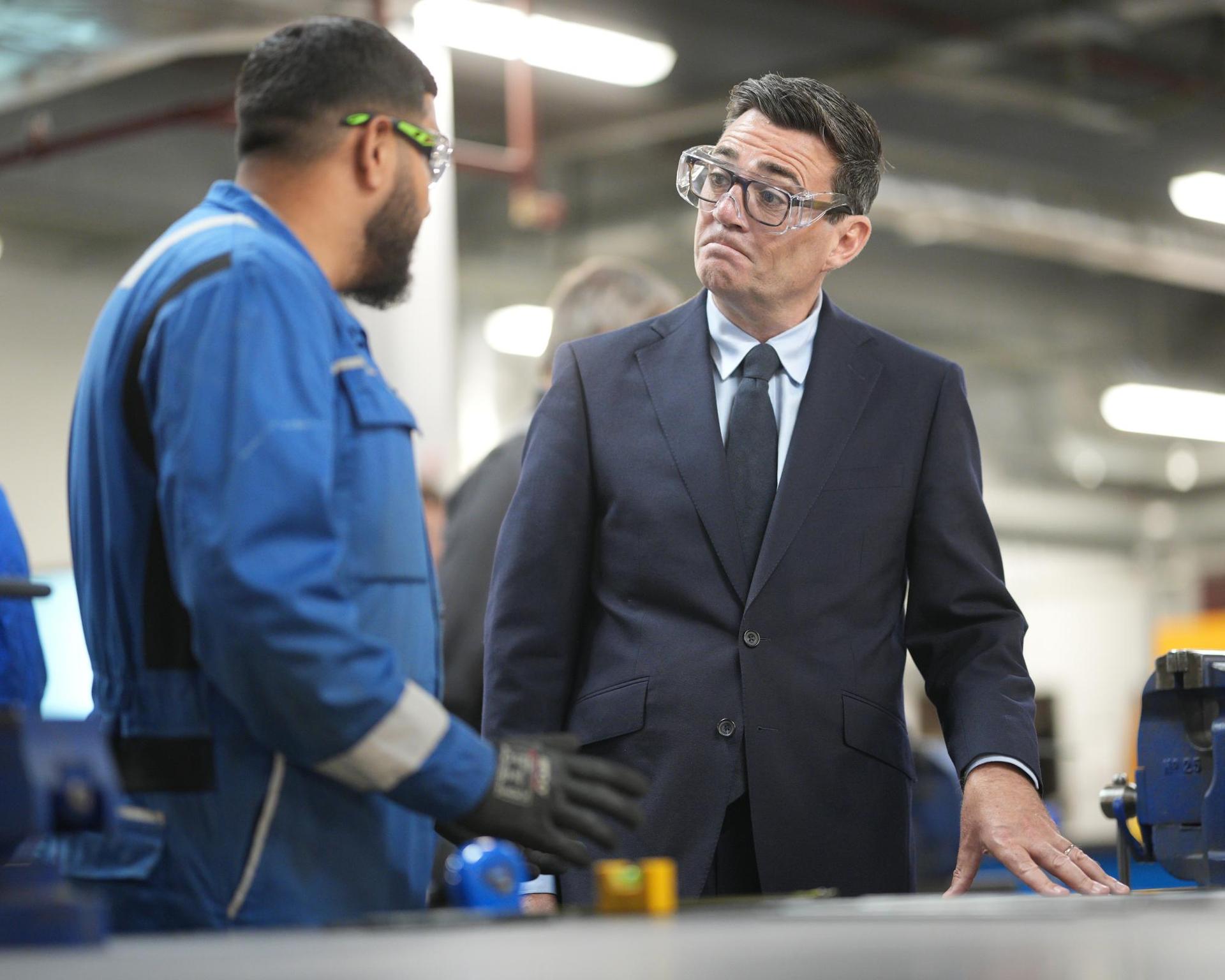
Burnham said, “Under our plans, more of the taxes raised in a community will stay in that community,” adding that mayors would have the power and resources to improve public transport, build homes and create jobs.
The BBC reported that the government has not yet decided the exact portion of taxes mayors will be given, with more details expected when Chancellor John Healey delivers his first budget in the autumn.B
The BBC also said the plan is to replace grants with revenues from business rates from April 2027 and income tax from April 2028, while the rates of income tax will not change as a result of the reform.B
Support and criticism
Labour mayor Oliver Coppard of South Yorkshire backed the change, saying it was “really important because it gets us out of the death grip of the Treasury and gives us that long-term certainty around income.”
The BBC reported that critics said the plans lacked detail and could lead to areas with weaker economies losing out on funding, while Burnham said the move would “make good” on his pledge to “bring power home” to “every postcode in the country”.B
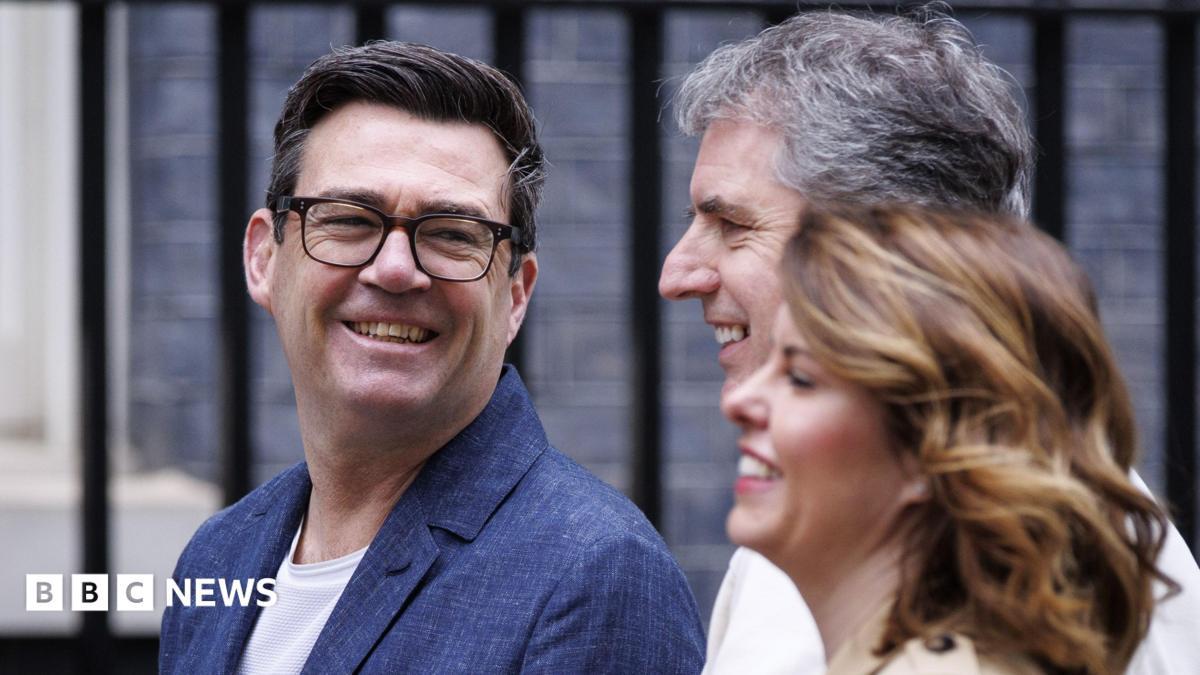
Conservative shadow chancellor Sir Mel Stride warned that “there is no new money being announced here,” arguing that without another tax raid, borrowing, or cuts to central government grant, the reform could leave weaker areas worse off.
Reform UK home affairs spokesman Zia Yusuf said the prime minister should “fully devolve the power to stop the housing of illegal migrants in local communities by the Home Office,” adding, “If he was listening, he would know that they do not want unvetted illegal migrants dumped in their areas.”
The BBC also said ministers will be expected to justify why powers should remain in Whitehall rather than be devolved under a “local first” principle, and that the reforms are being developed by No 10 North in Manchester.B
Loans, equalisation, and stakes
Experts told the Guardian that one significant consequence of the shift would be that it would allow combined authorities to take out 30-year loans against their projected income to fund major projects that previously needed Treasury approval.
“experts said one of the most significant consequences was that it would allow combined authorities to take out 30-year loans”
Henri Murison, chief executive of the Northern Powerhouse Partnership, said the change “completely transforms” what combined authorities would be able to do, and he pointed to the ability to borrow against future income to unlock transport projects such as an underground station at Manchester Piccadilly.
The Guardian reported that it is not yet clear what proportion of income tax or business rates would be retained by combined authorities, with officials still working on the numbers and John Healey expected to set out the detail in the autumn budget.
The BBC said the government is working out the details of an equalisation system that will ensure areas where less tax is collected continue to receive financial support, while also noting that mayors of strategic authorities currently receive most of their funding from central government grants.B
The BBC added that the share of national taxes collected at a local level in the UK is 5.8%, the lowest in the G7, and that the plan is designed to move away from dependence on Whitehall grants toward funding that rewards local economic growth.B