Britain01 August, 20262 min read
Bev Craig Wins Greater Manchester Mayoral By-Election, Defeating Reform UK’s Sian Astley
This article is an automated aggregation of coverage from news outlets. Our editorials offer in-depth analysis curated by the NewsCord team.
Bev Craig wins Greater Manchester mayoral by-election, defeating Reform UK's Sian Astley. Labour victory seen as first electoral test of Burnham premiership amid low turnout.
BBC was read line by line by the Watchdog: 0.5. See the score →
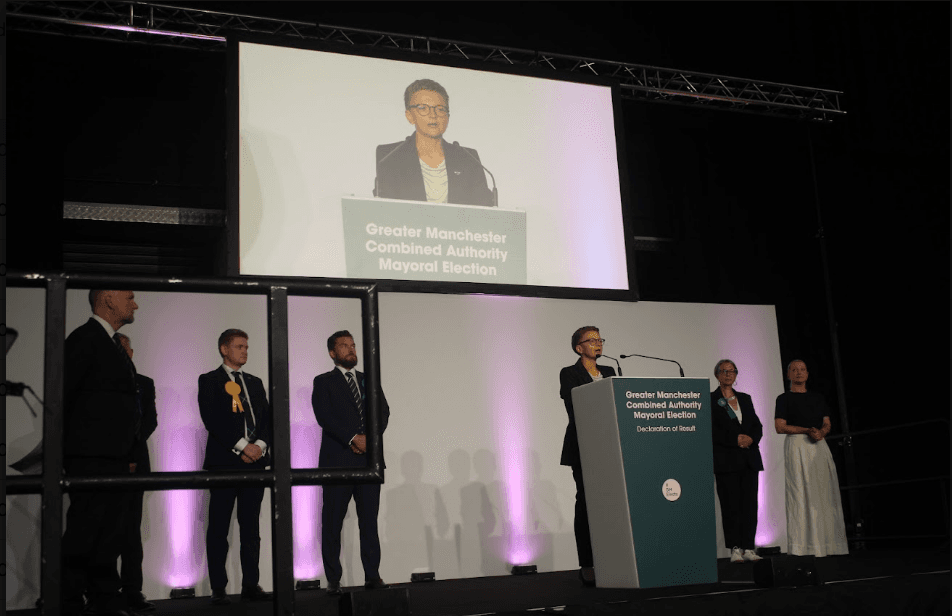
Manchester mayoral by-election
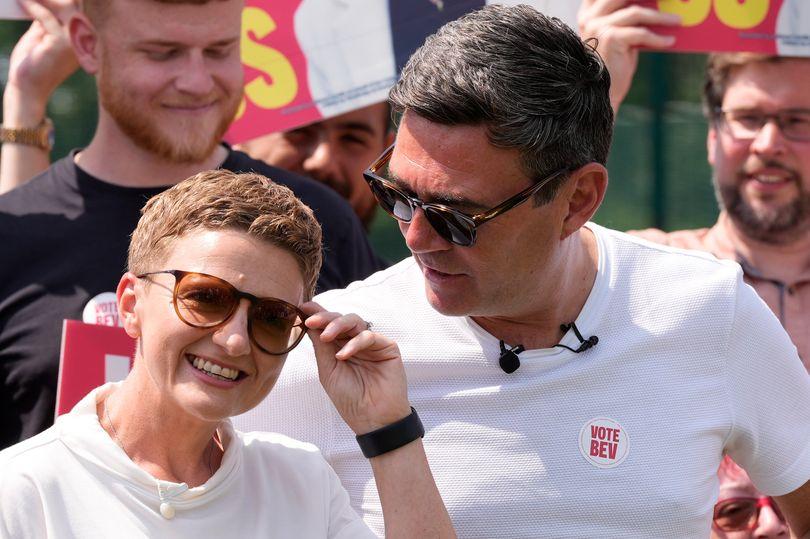
Bev Craig won the Greater Manchester mayoral by-election to succeed Andy Burnham, with Labour taking 47.15 per cent of votes in the first round and Reform UK’s Sian Astley on 20.99 per cent. The Independent said Craig secured the second-round win with 309,525 first and second place votes ahead of Astley’s 157,178, in the first Greater Manchester mayoral election to go to a second round. The BBC described the result as confirmation of a “Burnham bounce,” noting that polls had put Labour “on average in the mid 20s” before the vote.
The BBC also said Labour’s 47 per cent first-preference share was “well down on the 63% that Burnham secured in the last mayoral contest,” but still represented a near doubling of the 24% Labour registered across the region in May’s local elections. The Independent reported that only one in four of the more than 2 million eligible voters across Greater Manchester cast ballots, with the turnout described as a historically low figure for the region.
Polls, Reform and Curtice
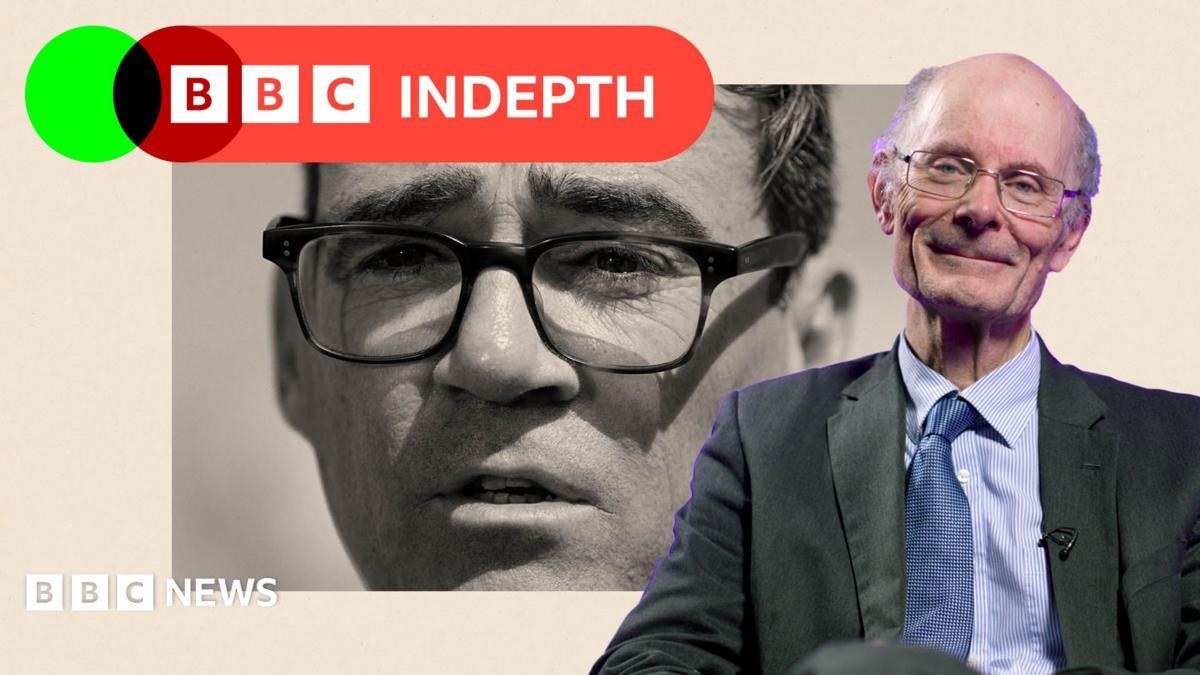
Sir John Curtice told the BBC that the “Burnham bounce” is “real but it's not massive,” and said Labour still has “a long way to go” before it can face a general election “with confidence.” The BBC said Reform’s displacement from first place in the polls for the first time in over a year “appears to owe more to its own difficulties than it does to Labour's new-found popularity.” It reported that Farage announced on 7 July he was standing down and putting himself again before voters of his Clacton constituency in a by-election scheduled for 13 August.
The BBC said that immediately before Farage’s announcement, Reform’s average poll rating stood at 27%, but in polls conducted immediately after it fell by three points to 24%. The Independent framed the by-election as the first electoral test of Burnham’s premiership, with Craig’s victory coming after Burnham took over from Sir Keir Starmer as prime minister.
Bloc politics and next risks
Neal Lawson in The Guardian argued that “we live in an age of bloc politics; left v right,” saying the Manchester mayoral vote showed the progressive bloc consolidating behind Labour. Lawson wrote that “the bloc, rather than the party, that now wins today is the one that most efficiently organises its total vote,” and warned that inside the fragmented landscape lurks the danger of “progressive tragedies”. In The Guardian’s view, unless Burnham can reach and maintain something more like 40% backing, “governing will remain treacherous,” because negative support can “melt away” when “the going gets tough.”
The BBC said Labour’s victory was “convincing,” but also stressed that even after Burnham’s bounce, Labour’s poll average remained the lowest for any newly minted mid-term PM and still “well adrift” of the 35% it won at the 2024 general election. AOL.co.uk reported that polling by More In Common put Labour four percentage points ahead of Reform at 28% to 24%, and said Survation also suggested Labour under Andy Burnham had pulled ahead at 26% compared to 24%.