Britain08 October, 20262 min read
Andy Burnham And Friedrich Merz Ratify Kensington Treaty To Counter Russia’s Hybrid Threat
This article is an automated aggregation of coverage from news outlets. Our editorials offer in-depth analysis curated by the NewsCord team.
Burnham to hold security talks in Berlin to tackle Russian hybrid threats and cyber risks. UK and Germany launch a new joint partnership to counter cyberattacks, sabotage, and critical-infrastructure threats.

Kensington Treaty in Berlin
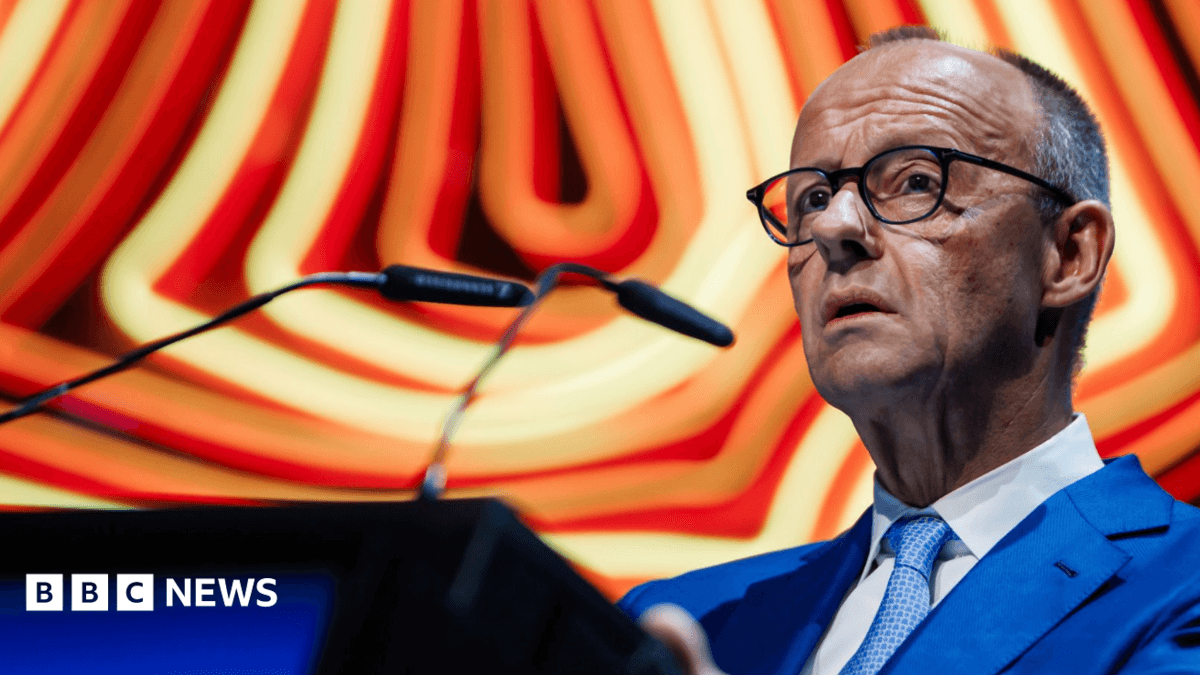
Prime Minister Andy Burnham traveled to Berlin to hold talks with Chancellor Friedrich Merz on tackling cyber-security threats and sabotage amid rising hybrid threats from Russia. Downing Street said the two leaders would formally ratify the 2025 Kensington Treaty, a partnership committing both countries to tackle hostile activity through deeper cooperation on science, technology, defence, security and growth. Burnham told the Labour Party conference that Brexit had “done more harm than good”, and he promised to reveal options for rejoining the bloc around the time of the summit with Brussels in November.
The UK and Germany also committed to a counter-hybrid threat partnership to tackle hostile activity that threatens security and prosperity in both countries, with the hybrid threat from adversaries especially Russia extending across Europe and beyond. The two leaders planned to enact the 2025 German-British Friendship Treaty known as the Kensington Treaty, with ratification documents exchanged at a ceremony today.

Cyber and sabotage focus
Burnham said the UK and Germany were “joining forces to find, expose and disrupt” threats, and he added that “Attacks on our infrastructure, our businesses and our democracies are not a distant threat.” The UK and Germany jointly act on identifying and disrupting hybrid activity, wherever it comes from, and share information while coordinating action to monitor, deter and disrupt threats. Intelligence services in both countries had warned of rising threats, including last month when Germany accused Russia of launching a drone fitted with explosives at Leipzig/Halle Airport.
The two leaders aimed to decide on closer cooperation in the fight against cyberattacks, sabotage and other hybrid threats when Burnham visited Merz in Berlin. The new joint-partnership degrades hostile actors’ capacity to operate in Europe and builds resilience against cyber-attacks, sabotage and threats to critical infrastructure.
EU ties and tariff debate
The Telegraph said Burnham was preparing to raise tariffs on Chinese electric cars as part of a closer relationship with the EU, with a visit to Merz in Berlin before a UK-EU summit in November. Merz was expected to warn Burnham this would not be possible unless the UK raised tariffs on Chinese electric cars from 10 per cent to the EU’s 45 per cent. The move would make the cars much more expensive and risk infuriating Beijing, which expressed “serious concern” at the prospect of tariffs earlier this week.
The leaders would discuss how closer cooperation with European partners can strengthen security, protect economic resilience and deliver shared prosperity as the UK resets its relationship with Europe. The Kensington Treaty places relations on a new foundation six years after the United Kingdom’s withdrawal from the European Union, and it said the 27-page document was signed during Merz’s first visit as Chancellor to the United Kingdom in July of last year.