
Full story
Burnham targets adult care
Prime Minister Andy Burnham pledged to reform England’s adult social care system, saying he wants to find “common ground” on funding and delivery after families described shortfalls and delays in support.
“- But his pledge to “grasp the nettle” on reforming the system for caring for older and disabled adults carries political risk - Care homes are run by a range of providers, from private equity-owned chains to smaller family-owned businesses and charities LONDON: British Prime Minister Andy Burnham will on Wednesday pledge to overhaul the adult social care system, offering to work with other parties to better fund a service that can cost families hundreds of thousands of pounds”
Burnham said he would stick to Labour’s 2024 manifesto commitments on tax, telling Reuters: "There is a manifesto. There are commitments there on tax and I will stick to those commitments," as he seeks changes to fund adult social care in England.
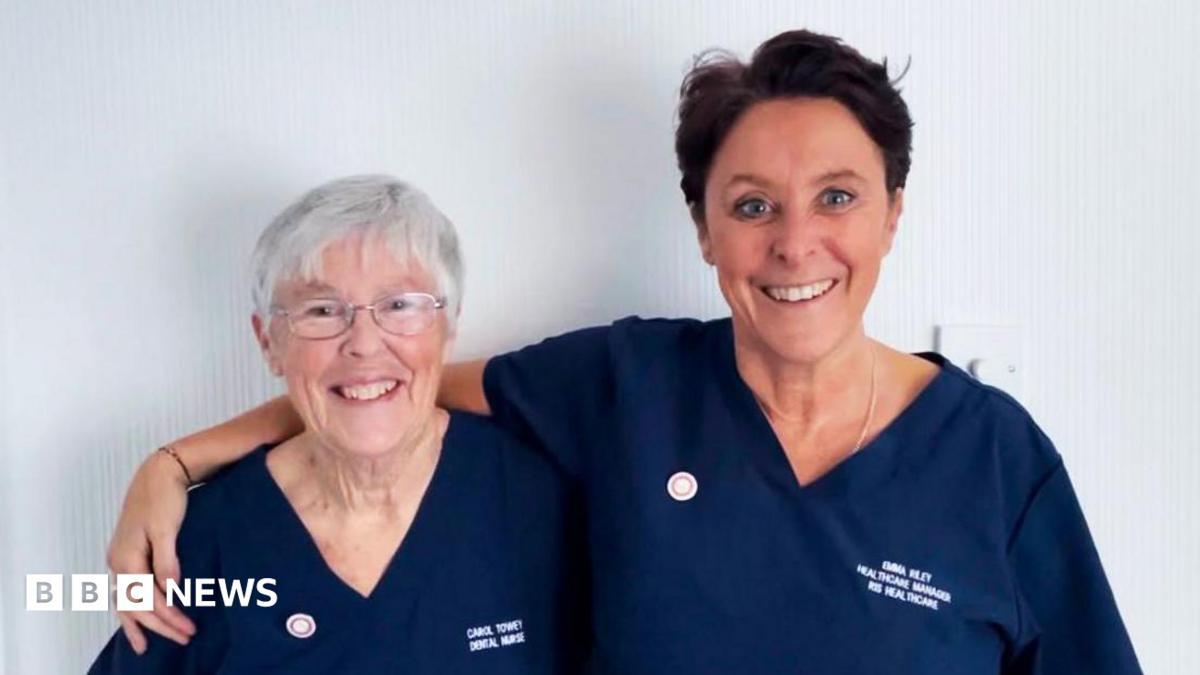
In BBC Your Voice, Manchester carer Emma Riley said she is paying £34 an hour for a care company to come to her mother Carol’s home three times a week, and she said she has been “blindly going through it” while waiting six months for a final decision on council funding.
Riley said she heard the prime minister’s speech and felt “quietly confident,” while the BBC reported that Burnham has announced a review of social care by Baroness Casey would be published next summer.
The BBC also quoted Labour’s plan to create a national care service and to bring forward an independent review of care to be published by 2027, alongside major reforms to pay and conditions for staff.
Families describe costs and gaps
BBC Your Voice included Halifax carer Lisa Greenwood, who said her family faces “very distressing” prospects as it costs £1,305 a week for her mother Mavis’s local respite care and she said the family “cannot sustain” it.
Greenwood told the BBC she backs Burnham’s proposal to increase pay in the sector, saying “Carers do need to be paid more,” and she described the wages as “little wages.”
In Swindon, Wiltshire, Sophie Daniels said she and her family were left to “figure things out ourselves” after her father died in 2024 from stage 4 glioblastoma, and she said her mother had to give up work to care for him.
Daniels said one of the biggest practical challenges was a lack of a lifting service, adding that her father was forced to either wait for hours on the floor for an ambulance or for family members to try to pull him up.
The BBC also featured Wakefield carer Steve West, who said he was “frustrated hearing the same issues that need fixing being discussed by each new government,” and he said a proposed national care service “could give focus, but its remit needs to be confirmed.”
Government and union push
The UK government set out a new path to fix social care together on 29 July 2026, with Prime Minister Andy Burnham saying, “I just don’t accept that this problem is too big to solve,” and Health & Social Care Secretary Yvette Cooper warning that “Too many older and disabled people are being let down by a broken system.”
“British Prime Minister Andy Burnham pledged on Wednesday to overhaul England’s adult social care system, saying he wanted to work with other parties to better fund a service where costs for users had become as unfair as those for U”
The GOV.UK update said demand for care is rising and that a failure to tackle the broken social care system has piled pressure on NHS services, including people stuck in hospital beds despite being medically fit to leave.
It also said A&E attendances by over 65s increased from 3.3 million in 2011/12 to 5.8 million in 2024/25, and it estimated that cuts to social care funding between 2010 and 2018 led to an additional half a million A&E attendances a year for people aged 65 and over.
Unite responded to Burnham’s speech on adult social care, with general secretary Sharon Graham saying: "Britain's social care system is a national disgrace. It has been turned into a cash cow for profiteers making money on the back of people’s suffering."
Unite said it wants the “end goal” to be “a publicly owned National Care Service,” and it argued that “Fixing social care will need a serious plan with real money, that puts workers, pensioners and everyday people first, not the profiteers.”


