Britain21 July, 20263 min read
Andy Burnham Sacks Rachel Reeves and David Lammy, Names Ed Miliband and Yvette Cooper
This article is an automated aggregation of coverage from news outlets. Our editorials offer in-depth analysis curated by the NewsCord team.
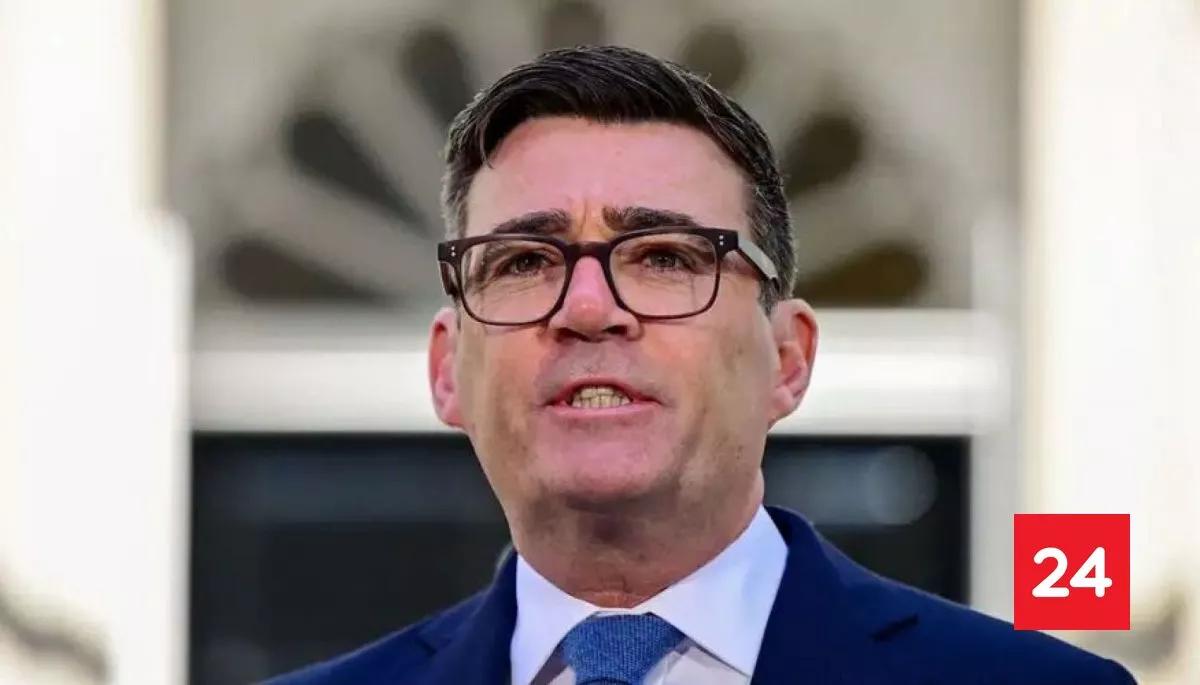
Andy Burnham becomes UK prime minister, sacks Starmer loyalists and reshuffles cabinet. Ed Miliband foreign secretary; Yvette Cooper health secretary; John Healey chancellor.

BBC was read line by line by the Watchdog: 3.2. See the score →
Burnham reshuffles Cabinet
Andy Burnham became prime minister and immediately reshuffled his Cabinet, sacking Rachel Reeves as Chancellor of the Exchequer and David Lammy as Secretary of State for Justice while keeping Shabana Mahmood as Home Secretary. The London Evening Standard said Burnham told his Cabinet “we will seek to do more” with plans to be set out “over the coming days,” while also insisting “always we will show how we are going to pay for it.” In the same shake-up, the Evening Standard reported that Ed Miliband was brought in as Secretary of State for Foreign, Commonwealth, and Development Affairs and that Yvette Cooper was moved to Secretary of State for Health and Social Care.
The Guardian’s live coverage likewise put John Healey in as chancellor and Ed Miliband as foreign secretary, while saying Yvette Cooper became health secretary and Angela Rayner returned as housing secretary. Bristol Live reported that Darren Jones, the MP for Bristol North West, was axed from the Cabinet after Burnham called to tell him “I won't be a part of his new Cabinet.”

US anger over Miliband
The Independent reported that the White House was “deeply concerned” about Ed Miliband’s appointment as foreign secretary, warning that Donald Trump has not forgotten scathing remarks Miliband made about him in the past. The Independent quoted a source close to the president saying: “There’s genuine anger about this appointment.” It also cited Miliband’s earlier description of Trump as “a racist, misogynistic, self-confessed groper” and noted Miliband’s 2016 line that “We must do our best at home and abroad to resist the worst of Trumpism.”
The Independent further said Burnham had been cautioned that Miliband has “serious diplomatic repair to undertake” in the US, after his promotion to foreign secretary sparked anger from the Trump administration. In parallel, the Guardian’s politics live blog framed the Cabinet choices as part of Burnham’s intent to combine “fiscal responsibility” with “focus on re-industrialisation” and driving growth, as Healey and Miliband were named to key posts.
Cost-of-living and funding fight
Burnham’s first economic measure, as France 24 reported, was to remove the tax on electricity bills by eliminating value-added tax (VAT) starting October 1, with the aim of easing the cost-of-living crisis. France 24 said the government expects households to save around £45 ($61) a year on their electricity bill ahead of winter, and it planned to finance the move by scrapping a digital identification program valued at £1.8 billion ($2.42 billion) over three years. Darren Jones, referenced by AOL.co.uk, accused Burnham of making an unfunded announcement about Digital ID, and Burnham replied to his Cabinet that “we will seek to do more” while “always we will show how we are going to pay for it.”
France 24 added that Darren Jones argued the digital identification program “does not have the funds necessary to cover the electricity bill rebate,” while Ruth Curtice of the Resolution Foundation warned the measure could benefit higher-income households more. As the reshuffle continued, the London Evening Standard said Steve Reed told Burnham: “I hope those who did not show loyalty to Keir will now show it to you,” underscoring the internal political stakes around how the new government pays for its agenda.