Britain27 July, 20263 min read
Andy Burnham Unveils Technical Education Routes For 14-Year-Olds In England From September 2028
This article is an automated aggregation of coverage from news outlets. Our editorials offer in-depth analysis curated by the NewsCord team.
From Year 10, 14-year-olds gain early access to technical routes linked to local jobs. Mayors and local leaders will help design these technical education routes for ages 14-16.

BBC was read line by line by the Watchdog: 0.0. See the score →
Burnham’s technical pathways
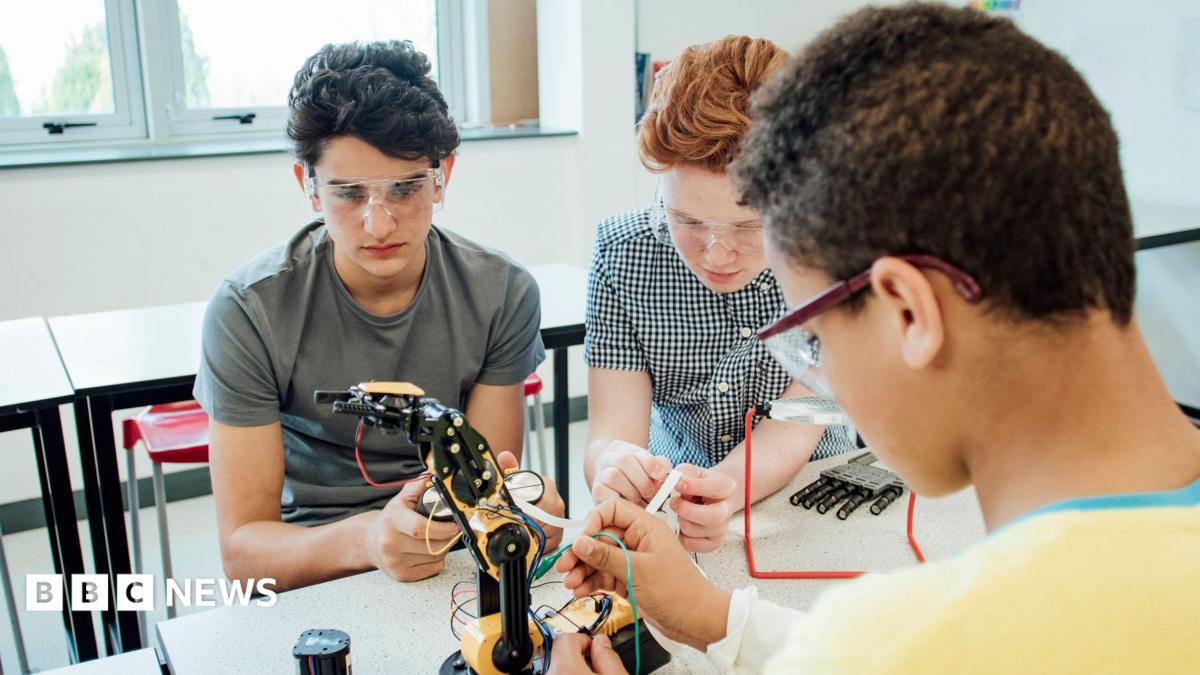
Prime Minister Andy Burnham unveiled a “fundamental change to the education system” in England on Tuesday 28 July, saying 14-year-olds will get early access to technical education, skills training, work experience and connections with employers. From Year 10, pupils will be able to combine core academic subjects including English, maths and science with a high-quality technical education linked to “the jobs available in their area,” with pathways “set to be rolled out from September 2028.” The government framed the move as part of efforts to tackle youth unemployment and the “lost generation” risk described by Alan Milburn, whose May report warned Britain risks leaving behind young people “ill-prepared for work.”
Downing Street said the new “prestigious” technical education routes will be shaped by regional mayors, local leaders, schools, colleges and employers, and the Government will prioritise funding towards high-quality technical education and practical routes into work. The BBC reported the government expects the pathways into work to be up and running in some areas by 2028, while also noting the changes announced on Tuesday will only impact England because education is devolved.

Reactions and demands
Education Secretary Lucy Powell said the announcement “marks the start of a real shared effort with employers, businesses, mayors and councils to design an education system that connects young people to jobs and careers in their local area,” and she added that “By offering high-quality technical and vocational education alongside academic achievement” more young people can leave education with skills and opportunities. Shadow education secretary Laura Trott said the plans “don’t come anywhere close to undoing the damage Labour has already done to the job market,” arguing the announcement is “all over the place” and raising concerns about whether Labour intends to replace GCSEs. The BBC reported school leaders’ unions welcomed the ambition but called for “greater clarity on how and when the changes would be implemented, and how they would be paid for,” while Pepe Di’Iasio of the Association of School and College Leaders said there was “little detail” about what the reforms would look like in practice.
Pepe Di’Iasio also warned it was “wrong” to make major educational policy announcements in the middle of the school summer holiday, and the BBC said he supported the aims while pressing for more specifics. In the government’s own framing, Burnham told students: “whether you choose construction, coding or classics, or maths, manufacturing or mechanics, you’ll get the skills you need and be given the respect you deserve,” linking the message to parity between academic and technical routes.
Numbers, timelines, and risks
The government’s push for technical education was tied to the scale of the “Neet” problem, with the BBC reporting data earlier this year showed more than one million young people across the UK were not in education, employment or training, and it also cited Office for National Statistics figures that 13.5% of UK 16 to 24-year-olds were Neet at the start of this year. Alan Milburn’s interim report, published in May, warned young people risked becoming part of a “lost generation,” and the BBC said his final report would outline further changes needed across “health, welfare and labour market policy as well as in education and skills.” The BBC said the government expects the new pathways to be delivered nationally with regional mayors, local leaders, schools, colleges and employers, building on the Greater Manchester Baccalaureate (MBacc) launched in September 2024.
But FE Week reported the announcement included no new funding and left unanswered questions about which qualifications pupils will take, whether colleges will teach them directly, and how school accountability measures will change. FE Week also said the Department for Education would examine how its existing budgets can be “prioritised” to support the reforms, while noting that Ofsted inspections and performance measures would be changed to recognise technical education and how well schools prepare pupils for employment.