Britain28 August, 20263 min read
Andy Burnham Will Not Vote On Terminally Ill Adults End Of Life Bill
This article is an automated aggregation of coverage from news outlets. Our editorials offer in-depth analysis curated by the NewsCord team.
Andy Burnham will abstain from voting on the Terminally Ill Adults End of Life Bill. He says abstaining avoids unduly influencing the debate as prime minister.

Burnham abstains on bill
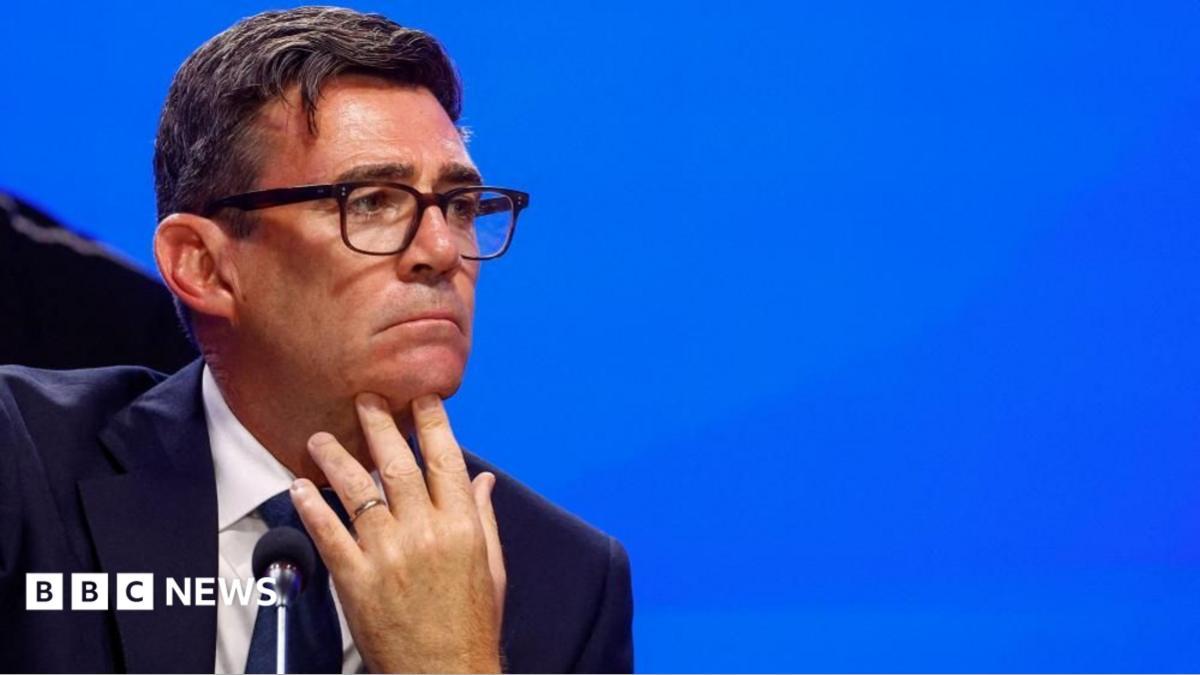
Prime Minister Andy Burnham said he will not vote on the Terminally Ill Adults (End of Life) Bill at Second Reading when it returns to the House of Commons, unlike his predecessor Sir Keir Starmer, who voted in favour of the previous bill as prime minister. Burnham told Labour MPs that his role as prime minister would be to lead a government that implements the will of Parliament in this area, whether that is to change the law or not, and he said he does not want to unduly influence the debate as prime minister. The bill would allow adults over the age of 18 who are expected to die within six months to be given help to end their own life, subject to certain safeguards, and MPs are likely to get the chance to debate and vote in two weeks’ time.
“Burnham said he has his ‘own personal views on the issue’ but it was ‘a matter for Parliament to decide’.”
The BBC said the bill is identical to the one put to Parliament last year, which passed in the House of Commons but stalled in the Lords after an unprecedented number of amendments meant it ran out of time. Burnham also told ministers they can vote as they wish but, in a separate letter on Friday, he told them they should avoid being part of the public debate and should not express views about the implications of the bill for their department’s responsibilities.
Free vote, warned ministers
The Guardian reported that No 10 officials said Burnham had no wish to affect the process in either direction and was just doing what he thought was best to allow MPs to reach their own collective view. In his letter to Labour MPs, Burnham said, "The government remains neutral on the question of assisted dying and on the passage of the bill," and he added that it was "vital that every view is respected". The Guardian said the bill’s second reading in the Commons is on 11 September, and it described how the earlier version ran out of time after peers tabled 1,200 amendments, mainly from opponents.
The Guardian also quoted Burnham warning ministers against trying to influence the process and asked that ministers reiterate that this is a question for parliament, on which the official government position is to remain neutral. Supporters of the bill, including Labour MP Lauren Edwards, welcomed Burnham’s move, and the BBC said Edwards is hoping it will pass the Commons unamended to avoid removing powers under the Parliament Acts to override the Lords.
NHS concerns and timing
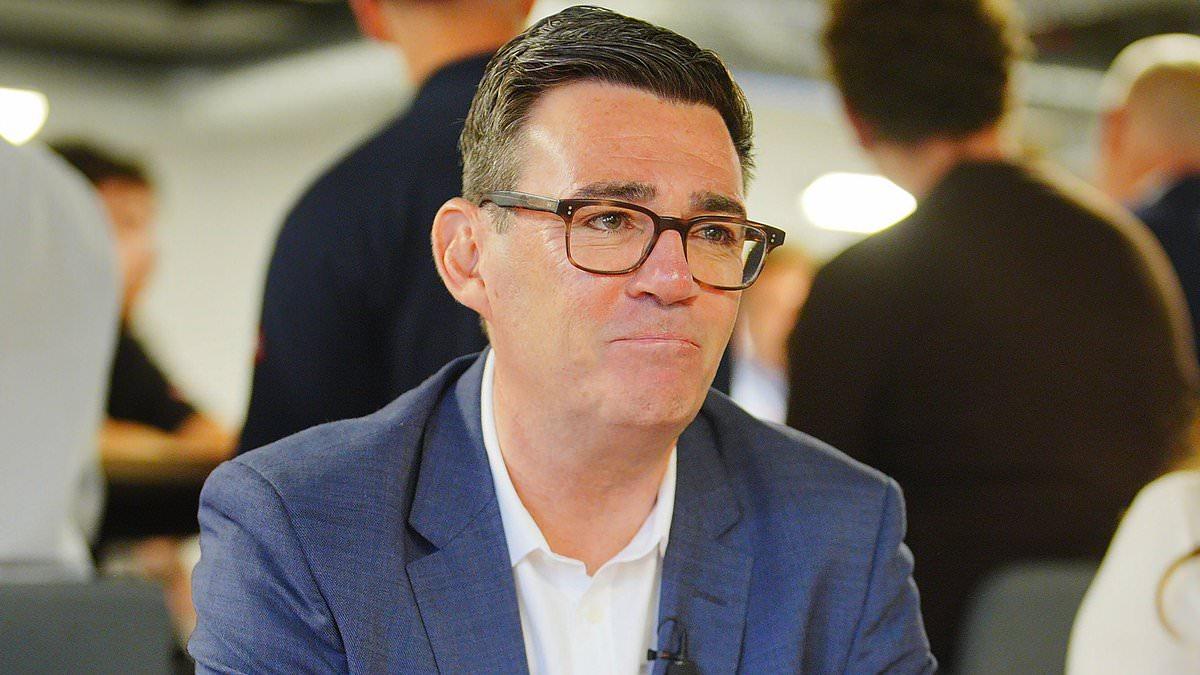
The BBC said the assisted dying law would allow adults over the age of 18 who are expected to die within six months to be given help to end their own life, subject to certain safeguards, and it described how the Lords previously stalled the bill after amendments meant it ran out of time. The Guardian said Wes Streeting, the then health secretary who now holds the defence brief, voiced worries about its impact on the NHS when an earlier version was before parliament. The Guardian reported that another Labour MP, Lauren Edwards, has tabled a near-identical version to allow adults with less than six months to live to apply for an assisted death, subject to the approval of two doctors and an expert panel.
“Wes Streeting, the then health secretary who now holds the defence brief, voiced worries about its impact on the NHS.”
Burnham previously suggested that palliative and social care funding should be fixed before legalising assisted dying, and the BBC said he indicated it would be challenging to implement before social and palliative care were improved. The Independent said Burnham confirmed government neutrality and that the debate is scheduled for 11 September, while Lauren Edwards welcomed the prime minister’s confirmation that all perspectives in the upcoming debate should be treated with dignity and respect.