Anthropic's Claude Code and Cowork Control Users' macOS Devices.
Key Takeaways
- Claude Code and Cowork can remotely control macOS to open apps, browse, and run tools.
- Available to Claude Pro and Max subscribers in macOS, in a research preview.
- Claude Code auto mode delegates actions, guided by real-time safety checks.
Autonomous Computer Control
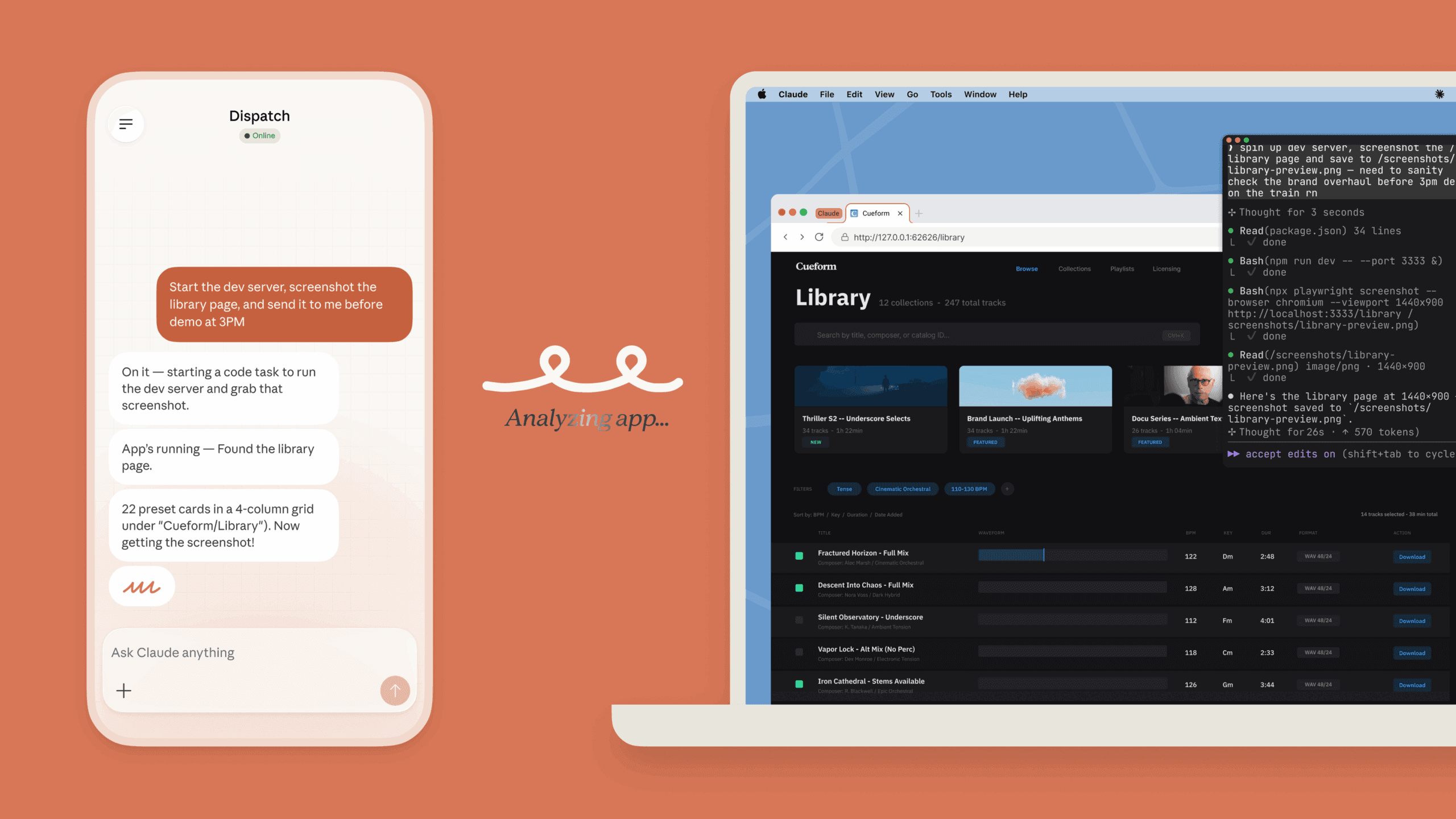
Anthropic has announced a significant advancement in AI capabilities by enabling Claude Code and Cowork to directly control macOS devices, marking a major step toward autonomous AI agents.
“Anthropic continues to ship in March with a new “auto mode” permissions mode in Claude Code”
The new 'computer use' functionality allows Claude to perform tasks autonomously by opening files, using web browsers, running development tools, and manipulating software interfaces when direct connectors aren't available.

According to Anthropic's announcement, Claude will first attempt to complete tasks through existing integrations like Slack and Google Workspace apps, but when those aren't available, it can take direct control of the mouse, keyboard, and screen to navigate applications and complete assignments.
This capability transforms Claude from a text-based assistant into a fully operational digital worker that can execute complex workflows without constant human supervision.
The feature is currently available as a research preview for Claude Pro and Max subscribers on macOS devices, requiring the Claude desktop app to be running and paired with the mobile app for remote task delegation.
Technology Evolution
The integration of computer control capabilities represents a strategic evolution in Anthropic's AI development, building upon technology acquired through the February 2026 purchase of Vercept AI.
This Seattle-based startup, founded by former Allen Institute for AI researchers and backed by significant investment including from Google's Eric Schmidt and Jeff Dean, provided the foundational technology for Claude's new autonomous capabilities.
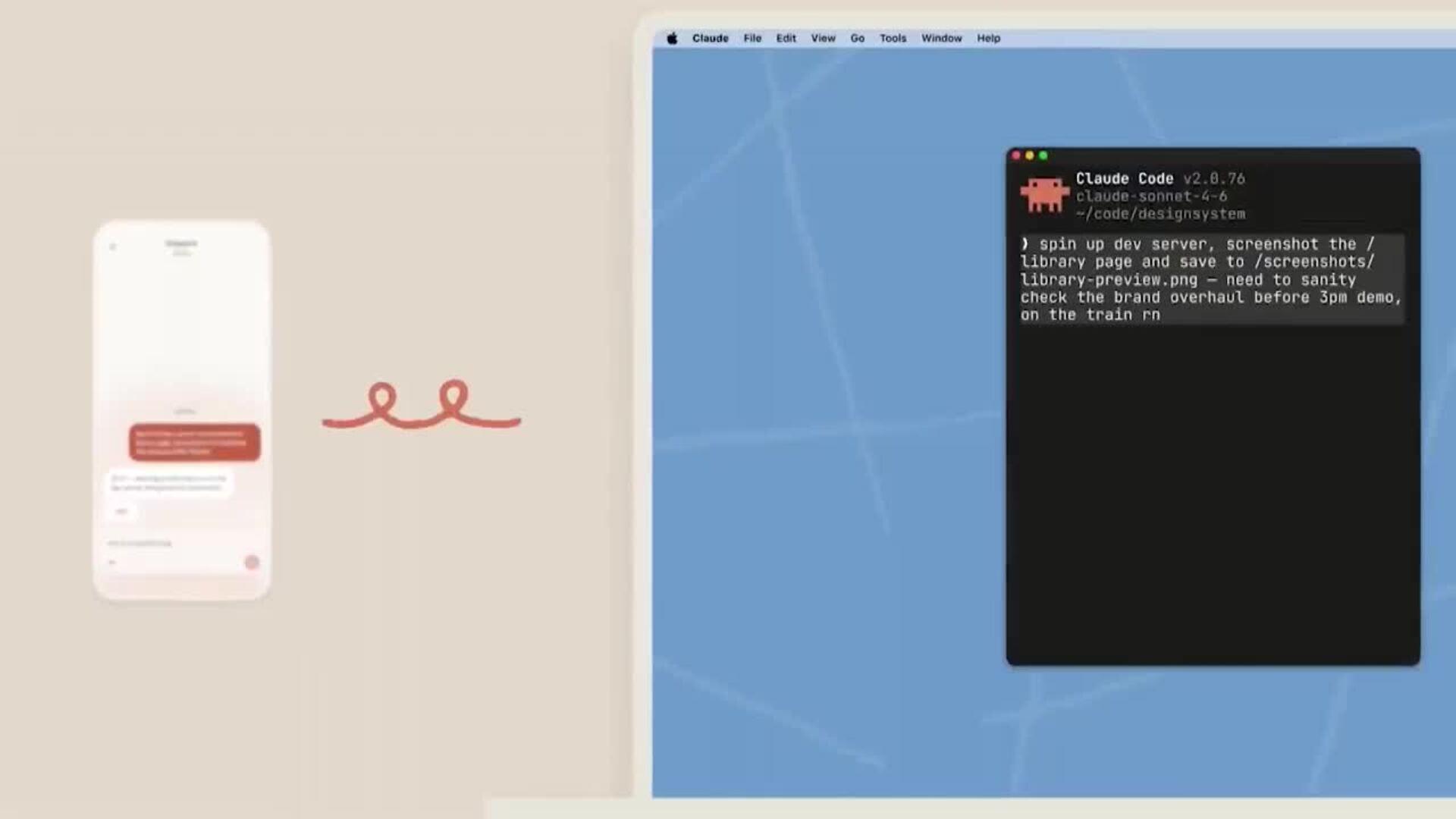
The acquisition has enabled rapid progress, with Claude Sonnet 4.6 scoring 72.5% on 'computer use' benchmarks compared to just 14.9% for the previous version, bringing performance close to human baseline levels of 70-75%.
This dramatic improvement explains Anthropic's confidence in moving from experimental API access to broader availability through Claude Code and Cowork interfaces.
The technology allows Claude to function as a persistent digital assistant that can handle recurring tasks like morning briefings, data processing, and development workflows while maintaining context across different sessions and devices.
Cross-Device Task Delegation
The Dispatch feature represents a critical component of Claude's new autonomous capabilities, enabling seamless task delegation between mobile devices and desktop computers.
Users can now assign complex tasks to Claude from their smartphones while away from their Macs, with the AI executing those tasks on the desktop computer and returning completed work through the same continuous conversation thread.
This cross-device functionality creates a workflow where 'Assign a task from your phone, turn your attention to something else, and come back to finished work on your computer' becomes a reality, as Anthropic describes in their official announcement.
The system works by maintaining persistent context across mobile and desktop sessions, allowing users to start requests from their phones and resume them later from computers without having to re-explain requirements.
This capability is particularly valuable for professionals who need to delegate tasks while commuting or traveling, as demonstrated by Anthropic's showcase scenarios including exporting pitch decks to PDFs, resizing and editing batches of photos, and preparing meeting materials.
Limitations and Security
Despite the technological advancement, Anthropic has emphasized that the computer use functionality remains in early development with significant limitations and security considerations.
The company explicitly states that 'Computer use is still early compared to Claude's ability to code or interact with text' and acknowledges that 'Claude can make mistakes, and while we continue to improve our safeguards, threats are constantly evolving.'

Performance metrics indicate that screen-based operations are substantially slower and more error-prone than direct application programming interface integrations, with complex tasks sometimes requiring multiple attempts before successful completion.
Security concerns are particularly pronounced, as giving Claude control over a desktop computer creates new attack surfaces including prompt injection attempts, where malicious instructions embedded in on-screen content could override user intent.
Anthropic has implemented safeguards such as automatic detection for prompt injection threats and restrictions on sensitive applications by default, but the company still advises users against deploying the capability with applications managing confidential information during the research preview phase.
Competitive Landscape
The introduction of computer control capabilities positions Claude within the broader competitive landscape of autonomous AI agents, responding to the viral success of platforms like OpenClaw and Nvidia's subsequent NemoClaw commercial adaptation.
“Anthropic is joining the increasingly crowded field of companies with AI agents that can take direct control of your local computer desktop”
Anthropic's move reflects a strategic shift across the AI industry toward more autonomous systems that can take direct action rather than just providing information.
The company is positioning Claude as a personal AI agent that can execute real work on a user's behalf, with researcher Alex Albert highlighting that 'The future where I never have to open up my laptop to get work done is becoming real very fast.'
This development comes amid increased competitive pressure, with major technology companies including Meta and OpenAI investing heavily in agent-based AI platforms.
Anthropic recently recruited Peter Steinberger, the founder of OpenClaw, to develop personal AI assistants, indicating the intense competition in this emerging space.
More on Technology and Science
Google Unveils TurboQuant Compressing KV Cache Sixfold, Sparking Memory-Chip Selloff
11 sources compared

US Demands Mexico End Cuban Medical Missions
14 sources compared

NASA Pauses Gateway to Focus on Building Permanent Moon Base
44 sources compared
OpenAI shuts down Sora, ends Disney partnership
31 sources compared