West Bankupdated 53m ago3 min read
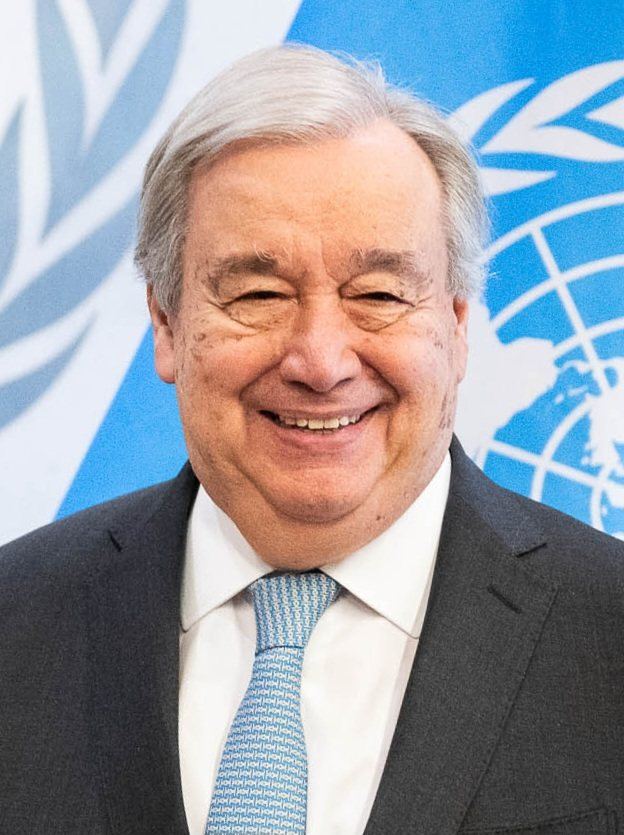
Antonio Guterres Warns Israel’s Hebron Closures And Full West Bank Lockdown Escalate Violence
This article is an automated aggregation of coverage from news outlets. Our editorials offer in-depth analysis curated by the NewsCord team.
UN chief expressed deep concern over escalating violence and Israeli closures in the West Bank. Closures severely restrict Palestinians’ movement, access to basic services and livelihoods.
One story. Different accounts.
“What is happening in Umm Safa is part of a wider effort to make Palestinian life unbearable and drive communities from their land”
“The IDF will enter the neighborhoods from which the terrorists emerged, evacuate the residents, go house-to-house, and dismantle the terror infrastructure.”
Explore source coverage 4 source types
Directory totals describe our source library, not outlets checked for this story.
Anadolu Ajansı was read line by line by the Watchdog: 1.7. See the score →
Hebron closures and violence
UN Secretary-General Antonio Guterres expressed “deep concern” over escalating violence and “widespread Israeli-imposed closures” affecting Palestinian communities in the occupied West Bank, with Stephane Dujarric telling reporters that the closures “severely restrict Palestinians’ freedom of movement.” Netanyahu ordered an “immediate closure” of Hebron and instructed security forces to prepare for a “full lockdown” across the West Bank after a gun battle in the city, and the Israeli army claimed two soldiers were killed and three others seriously wounded in a shooting attack in Hebron.
“Our first step will be to demolish this site and completely transform it.”
The Israeli army said forces killed the Palestinian gunmen after they opened fire at a junction near the West Bank city of Hebron, and it later confirmed that two soldiers, Staff Sergeant Ron Yonatan Roytman and Sergeant Yuval Shai Svilem, were killed while three others were lightly injured. Netanyahu said he had ordered the evacuation of residents from the neighborhood in Hebron where the gunmen lived ahead of a house-to-house sweep for weapons, and he added that “Our first step will be to demolish this site and completely transform it.”
Warnings and competing narratives
The Palestinian government warned that Israeli escalation in the West Bank, most recently in Hebron Governorate, included “the forced displacement of entire neighbourhoods” and the closure and siege of Palestinian cities, and it called the measures “a systematic policy pursued by the Israeli occupation government.” Netanyahu threatened the Palestinian Authority with a “big surprise” that awaits it, while the Palestinian government warned of the peril of escalation in Hebron through “the displacement of residents of entire neighborhoods, the demolition of homes and facilities, the closure and siege of Palestinian cities.”
Switzerland urged restraint, and a spokesperson for the Swiss Federal Department of Foreign Affairs told Anadolu that Bern was calling on all sides to exercise “maximum restraint” and avoid steps that could further intensify violence. Medical Aid for Palestinians warned that Palestinian communities across the occupied West Bank face an increasingly acute risk of violence, displacement and loss of access to healthcare as movement restrictions intensify during the olive harvest season, and it said its teams were reporting “increasing obstacles to reaching communities who need care.”
What comes next
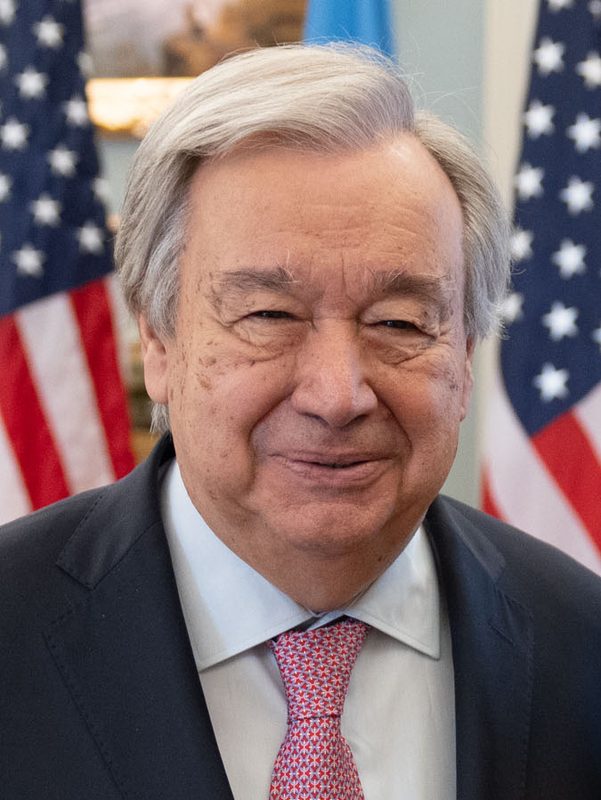
The UN chief remained concerned about reports of home demolitions and the possible displacement of Palestinian residents in Hebron, and Dujarric said Guterres was also “deeply concerned” about civilian casualties in Gaza and severe restrictions on humanitarian aid deliveries ahead of winter.
The Israeli army announced a full closure of Hebron and several surrounding towns after the shooting, and it said security forces conducted searches and interrogated suspects in order to “identify and dismantle terrorist infrastructure” in the Hebron area.
MAP said it was establishing trauma stabilisation points in four communities, including Umm Safa, to provide urgent medical care where movement restrictions delay access to hospitals, and it quoted Marwan Sabbah saying, “We have been completely prevented from harvesting our olive trees.”
The Palestinian National Council member Dr. Hassan al-Asfal warned against exploiting security developments to achieve Israeli electoral gains and to push through measures that may aim to force Palestinians to displace themselves, and he said the West Bank has witnessed “for more than a year” attacks and stringent measures targeting Palestinians.