Asiaupdated 4m ago2 min read
Archaeologists Discover World’s Oldest Shipwreck Off Kekova Island, Turkey
This article is an automated aggregation of coverage from news outlets. Our editorials offer in-depth analysis curated by the NewsCord team.
Shipwreck off Kekova Island, Antalya, dating to 4,400–4,700 years ago. Wooden hull did not survive; over 30 ceramic jars and three stone anchors remained.
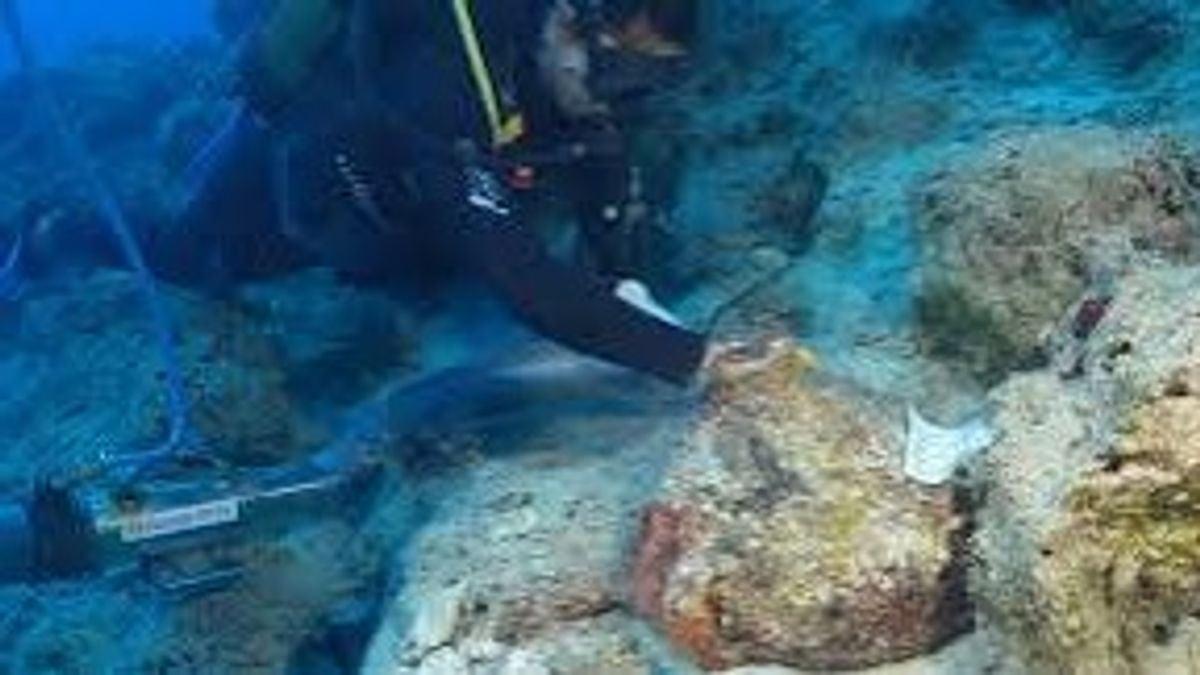
Oldest Shipwreck Off Kekova
Archaeologists announced they have discovered the remains of the world’s oldest shipwreck, a wooden cargo vessel they estimated sank off the coast of Turkey nearly 5,000 years ago. Hakan Öniz, who led the underwater excavation, said the shipwreck dates back to when the Great Pyramid of Giza was being constructed, and he told the BBC, "We are the first humans who touched these objects after about 5,000 years."
Mehmet Nuri Ersoy, the Turkish minister of culture and tourism, said one of the amphoras recovered featured nine different markings and two holes in its body. Archaeologists estimated the cargo ship sank 4,400 to 4,700 years ago, and the BBC said the wreck lay close to the shore of Kekova Island in Antalya, Turkey, with the artefacts scattered on an underwater slope just 30m beneath the waves.
Anchors, Amphorae, and Depth
The ship was about 10m in length and was a trade vessel carrying cargo across the Mediterranean Sea, and three large stone anchors were found along with more than 30 ceramic storage pots called amphorae.
The wooden structure has not survived, and techniques like radiocarbon dating could not be used to determine the age of the wreck.

"Comparing the decoration techniques… we can definitely say our wreck is Early Bronze Age. This is 100%."
Divers brought the pots up to the surface, where they are now being carefully conserved after so many thousands of years underwater, and Dr Karin Sowada examined the amphorae after they were recovered.
Residue and What Comes Next
Dr Karin Sowada said she looked inside and nearly fainted, and she told the BBC, "I looked inside and nearly fainted. I could not believe how much [residue] was visible."
Sowada said the team is now working to find out exactly what was being carried in the amphorae, and she told the BBC, "It could be olive oil, it could be wine, it could be tree resins."
The shipwreck is owned by the Turkish Ministry of Culture, and Culture Minister Mehmet Nuri Ersoy said the recovered artefacts would be put on display in the new Mediterranean Underwater Archaeology Museum in Antalya when it opens in the coming months.
The Kekova discovery now tops the list of the world’s oldest shipwrecks, and the previous record holder was a wreck off the coast of Dokos in southern Greece dating to about 4,200 years ago.