Britain30 December, 20253 min read
Arctic Blast Threatens Lives Across England As Met Office Issues Amber Snow And Ice Warnings
This article is an automated aggregation of coverage from news outlets. Our editorials offer in-depth analysis curated by the NewsCord team.
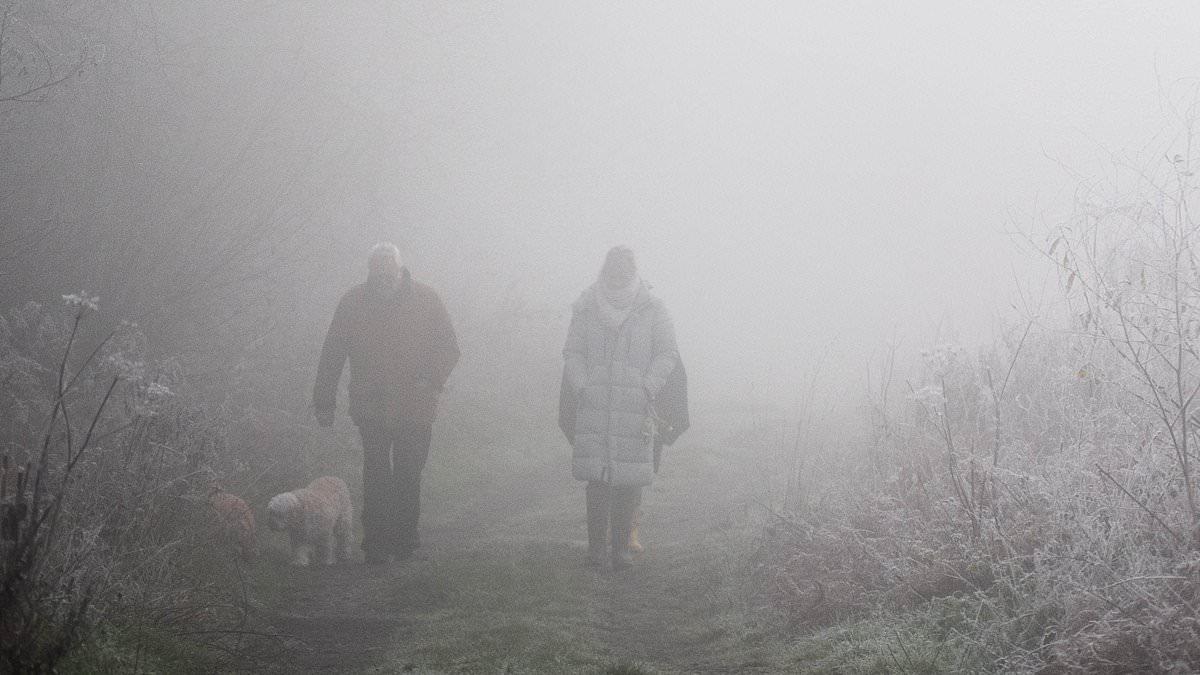
Met Office issued amber and yellow snow-and-ice warnings across large parts of the UK. Arctic air is spreading, bringing prolonged sub-zero temperatures, widespread frosts, and first seasonal snow.

5 outlets told this the same way.
UK Arctic blast warnings
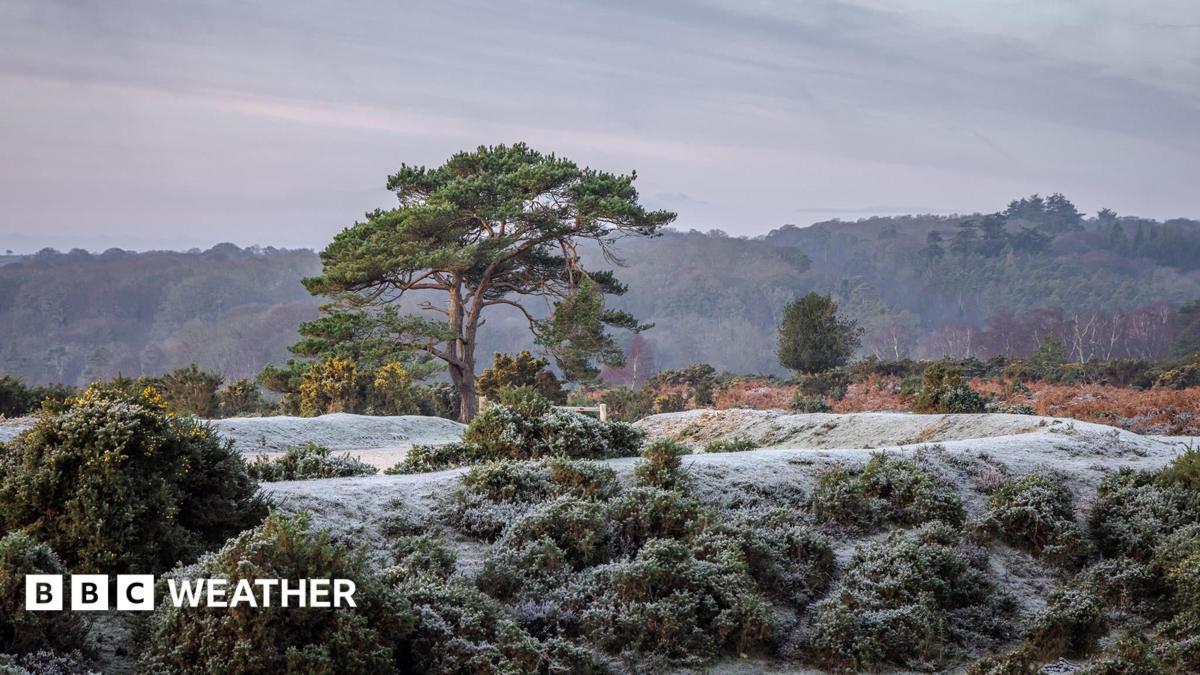
An Arctic blast has prompted the Met Office to issue amber and yellow National Severe Weather Warnings for snow and ice as very cold Arctic air moves across the UK at the start of the year, threatening severe cold-related health risks and travel disruption. The Met Office says the amber warnings (the strongest) cover parts of northern and eastern Scotland from midday Friday 2 January for 24 hours, with yellow warnings affecting parts of Scotland, Northern Ireland, Wales and central and southern England. Forecasters warn of well-below-average temperatures, widespread frost and ice, snow showers with some settling and nights as cold as "minus double figures" while daytime highs may struggle to reach 0°C.
“The Met Office has issued amber and yellow National Severe Weather Warnings for snow and ice as Arctic air brings a prolonged very cold spell at the start of the New Year.”
The BBC underscores the prolonged nature of the cold spell and warns of "ice-days" where temperatures remain below freezing and rural communities could be cut off. The Daily Mail reports already-plunging temperatures (down to −8.4°C at Tulloch Bridge) and forecasts of measurable snowfall in many areas. The Daily Express did not provide an article text to contribute additional reporting on this event.
Cold-risk warnings and advice
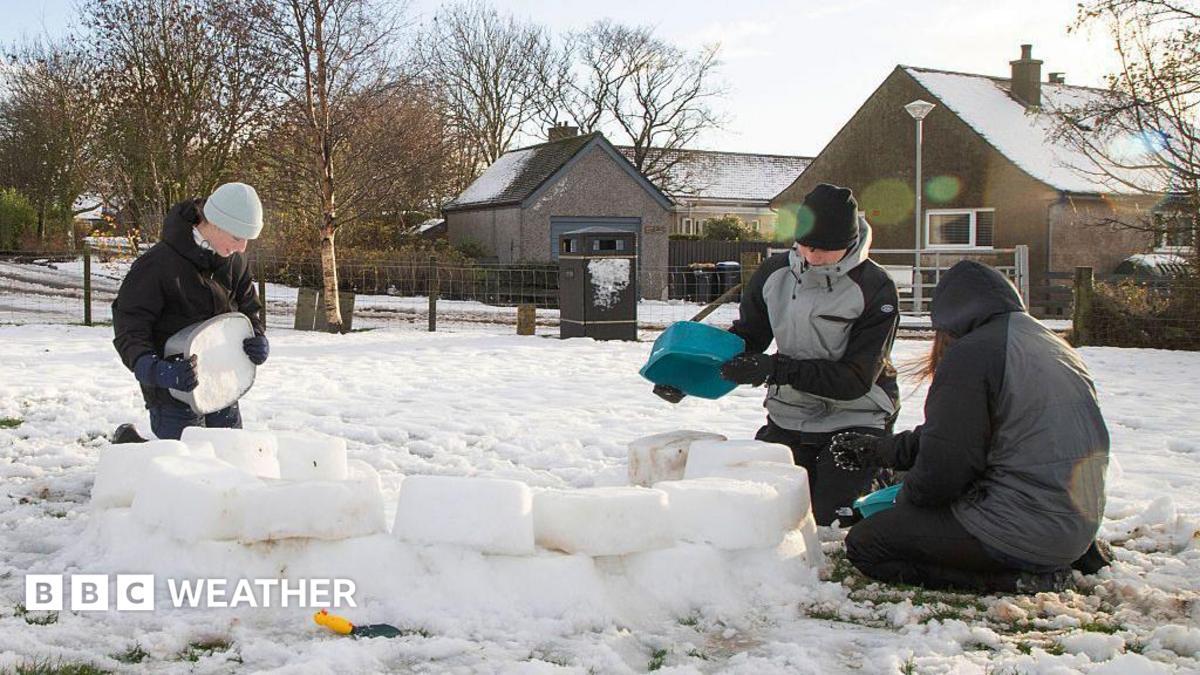
Public-health agencies and charities warn that cold weather threatens vulnerable people and could increase serious health events. The Met Office reports that the UK Health Security Agency has issued amber cold-health alerts for England until 6 January and urges checks on vulnerable people. The UKHSA notes that cold weather raises risks of heart attacks, strokes and chest infections.
Age Scotland urges people, particularly those with mobility challenges, to stock food and essential medicines to avoid unnecessary trips and falls. Media reports say the alert could have significant impacts across health and social care services and increase demand on the NHS. The BBC includes practical guidance such as heating tips and advice on keeping babies warm.
Winter travel disruption
Transport and travel face major disruption, and Transport Scotland and the Met Office advise motorists to plan journeys, allow extra time and check updates because other transport modes may be affected. The Daily Mail warns of travel disruption from frequent, heavy snow showers, strong northerly winds and widespread frosts, with significant snowfall on higher routes and hills. The BBC says snow showers are expected to increase late in the week in Northern Ireland, northern England and North Wales, and rural communities could be cut off, increasing the risk of stranded motorists and isolated settlements.
“Transport Scotland advises motorists to plan journeys, allow extra time and check Traffic Scotland updates; other transport modes may also face disruption.”
Cold spell outlook and advice
Forecasters say the cold spell may persist into the first week of January, warn further alerts are possible, and urge the public to follow updates and prepare. The Met Office warns of possible additional wintry hazards into next week and issues formal warnings along with health and safety advice. The Daily Mail says the cold spell "should persist through at least the first week of January," uses strong language about disruption, and urges readers to follow forecasts and advice.
The BBC reports that forecasters are monitoring a possible system that could bring more widespread snow to England and Wales but describes that outcome as uncertain and provides practical guidance. Because outlets emphasize different aspects, readers should consult official Met Office and health-agency guidance and heed local transport updates.