
Asaib Ahl al-Haq And Imam Ali Brigades Begin Handing Weapons To Iraqi Authorities
Key Takeaways
- Two Iran-backed militias will hand weapons to Iraqi authorities.
- Move is part of government effort to rein in militias operating independently.
- U.S.-led sanctions and regional pressure accompany the handover.
Militias offer weapons handover
Two of Iraq’s most powerful Iran-backed militias said on Tuesday they would begin handing in their weapons to the authorities, a step framed as part of the new government’s effort to rein in militias that have long operated on their own even though they were nominally under state command.
Asaib Ahl al-Haq said it had formed a committee to oversee the move, including an inventory of its fighters, weapons and equipment, and to coordinate with the commander-in-chief of Iraq’s armed forces.
The second group, the Imam Ali Brigades, made a similar announcement saying the time has come “to build a strong state with full sovereignty.”
The Associated Press linked the push to calls by Iraq’s top Shiite religious authority and the Iran-aligned Coordination Framework, the largest bloc in Parliament that dominates Iraqi politics.
The Associated Press also said the war in the Middle East, which the United States and Israel launched on Feb. 28 with strikes on Iran, has exposed the fragility of Iraq’s state institutions and their limited ability to restrain Iran-backed groups.
Sadr’s integration and state control
A week earlier, influential Shiite cleric Muqtada al-Sadr said his Saraya al-Salam militia, also known as the Peace Brigades, would split from his political movement and integrate into state institutions.
On May 27, Muqtada al-Sadr announced the dissolution of Saraya al Salam, saying, “It has become necessary for us to announce the dissolution of Saraya al-Salam from the Shia National Movement— a complete dissolution— and their full attachment to the state and the general authority over military formations,” in an announcement carried by The Long War Journal.
The Long War Journal said a document from his office stated the handover process would be completed by Eid al Ghadir on June 4, and that a committee of representatives from the government and Sadr’s movement began work on May 29.
The Long War Journal reported that Iraqi Prime Minister Ali al Zaidi welcomed the announcement, and quoted him affirming that the initiative represents “an important step toward strengthening internal stability, enshrining the principle of confining weapons to the state’s hands.”
The Long War Journal said the first major challenge for the prime minister’s new government, which took office on May 14, is the disarmament of militias, particularly those backed by Tehran.
Sanctions and the weapons deadline
While Iraq’s militias discussed handing weapons to authorities, the United States imposed new sanctions on weapons suppliers to the Islamic Republic, with the U.S. Treasury issuing a statement on Tuesday, the first day of Ordibehesh.
“Elevate your local knowledge Sign up for the iNFOnews newsletter today”
Iran-related sanctions in the new package included four companies and two Boeing 777 aircraft owned by Mahan Air, as well as eight individuals located in Iran, Turkey, and the United Arab Emirates, according to iNFOnews.ca’s Associated Press material.
The iNFOnews.ca/Associated Press text also said the Trump administration warned against having any Iraqi government influenced by Iran-linked factions and tied defense cooperation and funding to efforts to curb them.
In the same Associated Press account, Prime Minister Ali al-Zaidi—described as a 40-year-old banker sworn in last month—has made a state monopoly on arms a centerpiece of his program.
The Associated Press said many Iran-backed militias are funded through the Iraqi state budget and embedded within the security apparatus, although not under the government’s control, drawing criticism from the U.S. and other countries that say Baghdad has failed to take a tougher stance on armed groups.
More on Iran
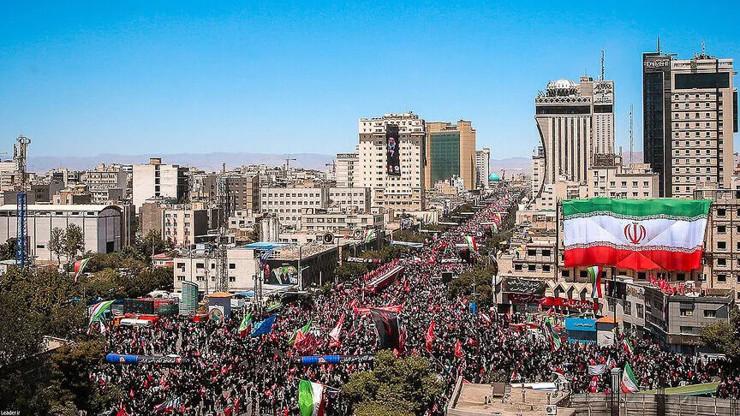
Israeli Strike Kills Ayatollah Ali Khamenei, Buried at Imam Reza Shrine in Mashhad
19 sources compared
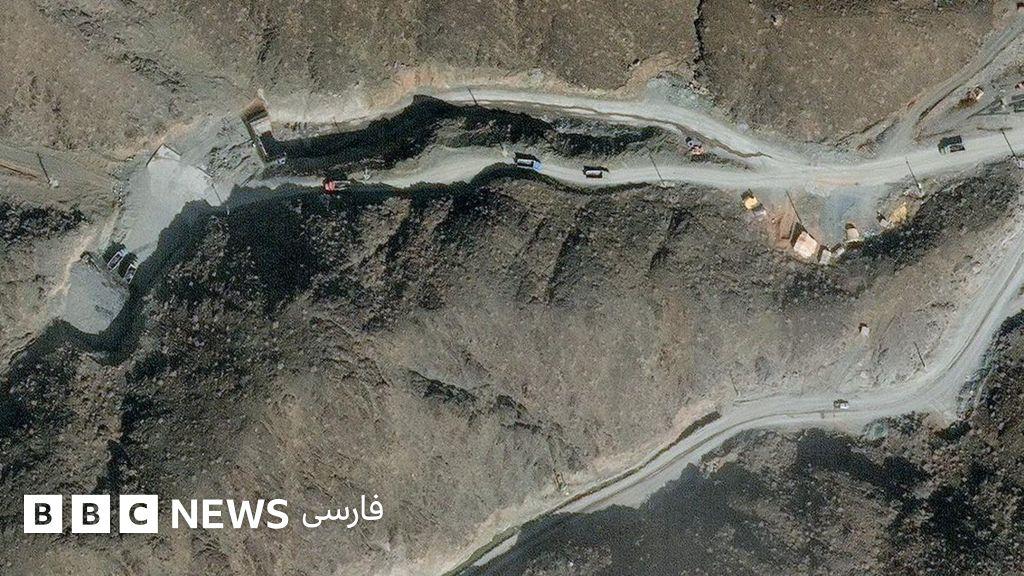
Iran Attempts To Restore Nuclear Sites Damaged In US And Israel Strikes, CNN Satellite Images Show
15 sources compared
Abbas Araghchi and Prince Faisal Bin Farhan Discuss Regional Developments After US Attacks
11 sources compared

Trump Says U.S. Agreed to Continue Iran Talks, Ceasefire Is Over
19 sources compared