Syria15 October, 20253 min read
Assad’s Top Henchmen Flee Syria to Evade Justice
This article is an automated aggregation of coverage from news outlets. Our editorials offer in-depth analysis curated by the NewsCord team.
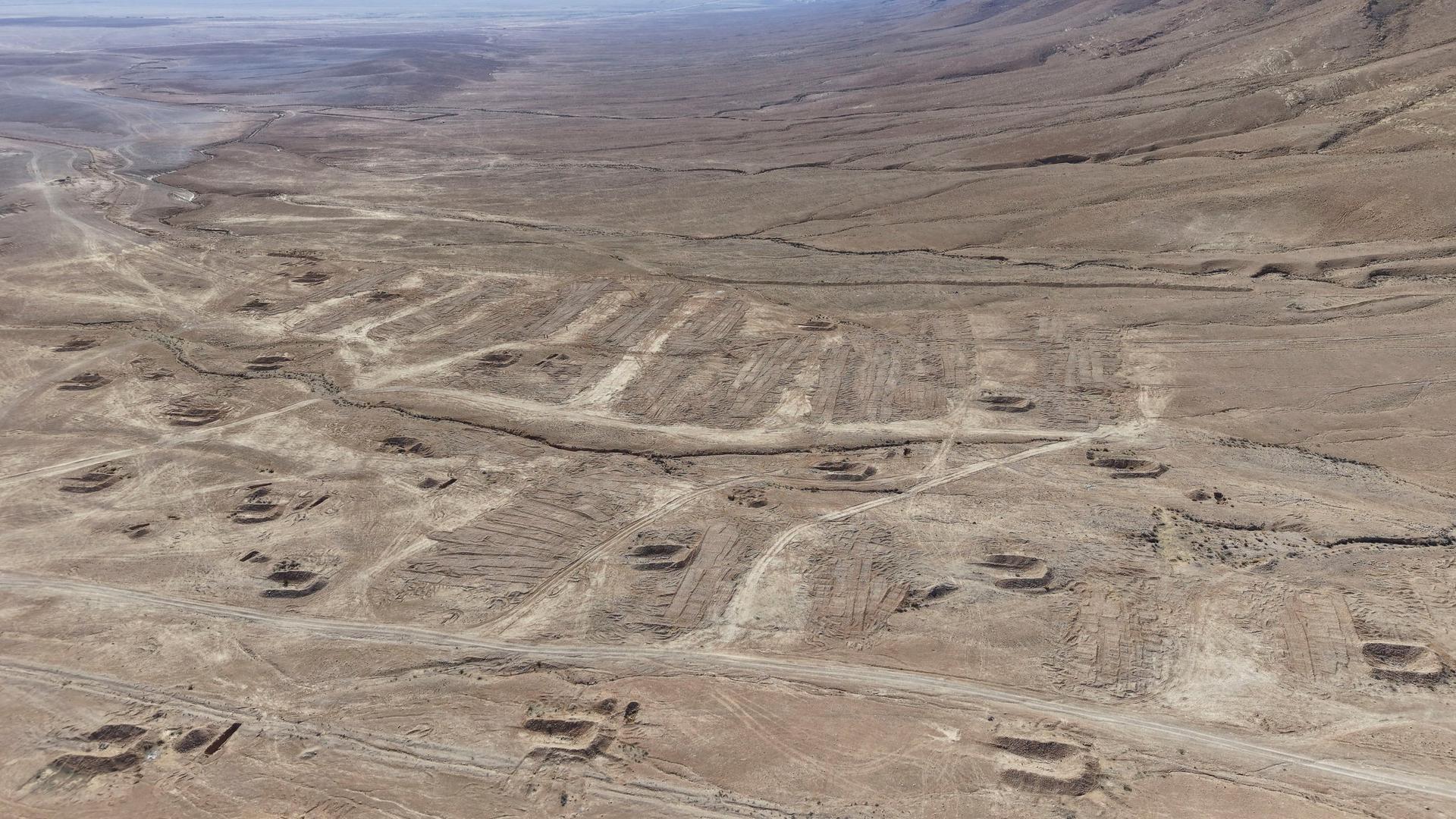
Between 2019 and 2021, Assad’s regime covertly relocated tens of thousands of bodies from mass graves. Operation Move Earth aimed to conceal evidence of war crimes by moving bodies to secret desert sites.
9 outlets told this the same way.
Outlets did split on Asad Al-Shaibani Meets Saddam Haftar in Benghazi Over Syrian Consulate And Missing Syrians →
Post-Assad Regime Aftermath
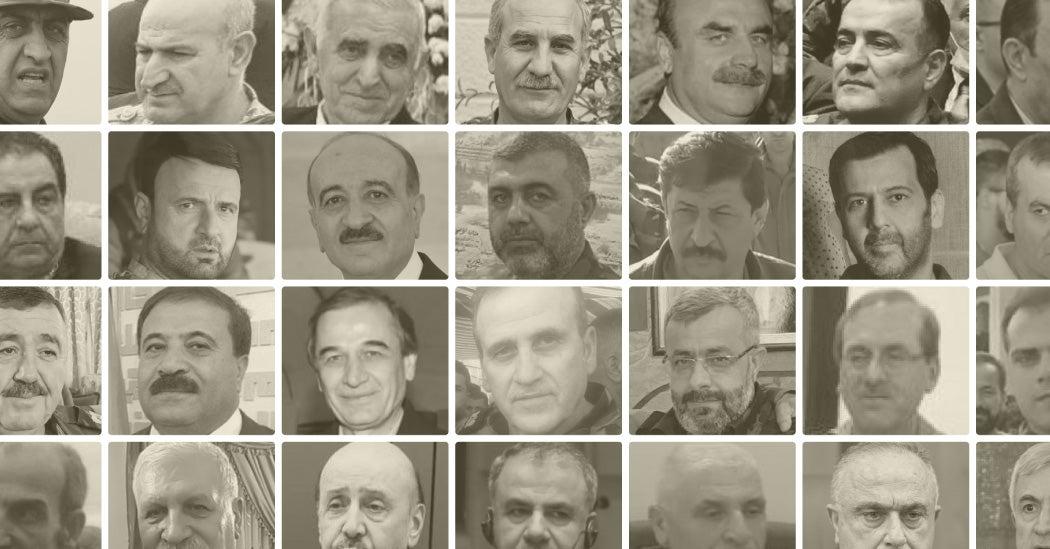
After the regime’s collapse, multiple outlets report that Assad’s top enforcers dispersed to evade accountability. The New York Times reports an investigative project that has identified 55 high-level enforcers of Assad’s 20-year rule and says that after the regime’s fall in December 2024 many vanished, with some believed to have fled to Libya, Russia, or the UAE. West Asian outlets frame the post-Assad landscape through the lens of victims.
“After the regime’s fall in December 2024, many of these officials vanished, with some believed to have fled to countries like Libya, Russia, or the UAE.”
Türkiye Today describes “Assad’s exile” and a new government struggling to respond as more than 160,000 remain missing. Other coverage highlights governance gaps.
MVNU says a new president, Ahmed al-Sharaa, has made little progress on the disappeared, while Daily Sabah references the regime’s fall and the daunting scale of forensic work ahead. An Asian outlet, Moneycontrol, adds that Syria’s new government is trying to build DNA registries, but the clandestine body relocations hinder returns to families—reinforcing the picture of enforcers and systems built to frustrate justice even after flight.
Cover-up of War Crimes Evidence
Accounts across regions link the enforcers’ impunity to a sweeping cover-up. Reuters exposed “Operation Move Earth” (2019–2021), which secretly shifted bodies from Qutayfah to a desert site near Dhumair to hide evidence of war crimes. Moneycontrol reports witnesses describing “dozens of long trenches” that could hold tens of thousands.
Daily Sabah and MVNU detail at least 34 trenches spanning nearly 2 kilometers. Türkiye Today and Букви stress the operation’s intent to erase evidence. Türkiye Today adds that the operation aimed to “improve the regime’s image.”

This engineered erasure was carried out under orders that people were too afraid to refuse. The operation helps explain why top henchmen can now dodge accountability abroad, as the physical proof they feared has been scattered and buried anew.
Conflicting Reports on Assad's Whereabouts
Where the regime’s henchmen went—and even Assad’s own status—differs across reports. The New York Times says many enforcers vanished after December 2024, with some believed to have fled to Libya, Russia, or the UAE. MVNU reports a new president, Ahmed al‑Sharaa, and says attempts to contact former Assad officials have failed.
“After the regime’s fall in December 2024, many of these officials vanished, with some believed to have fled to countries like Libya, Russia, or the UAE.”
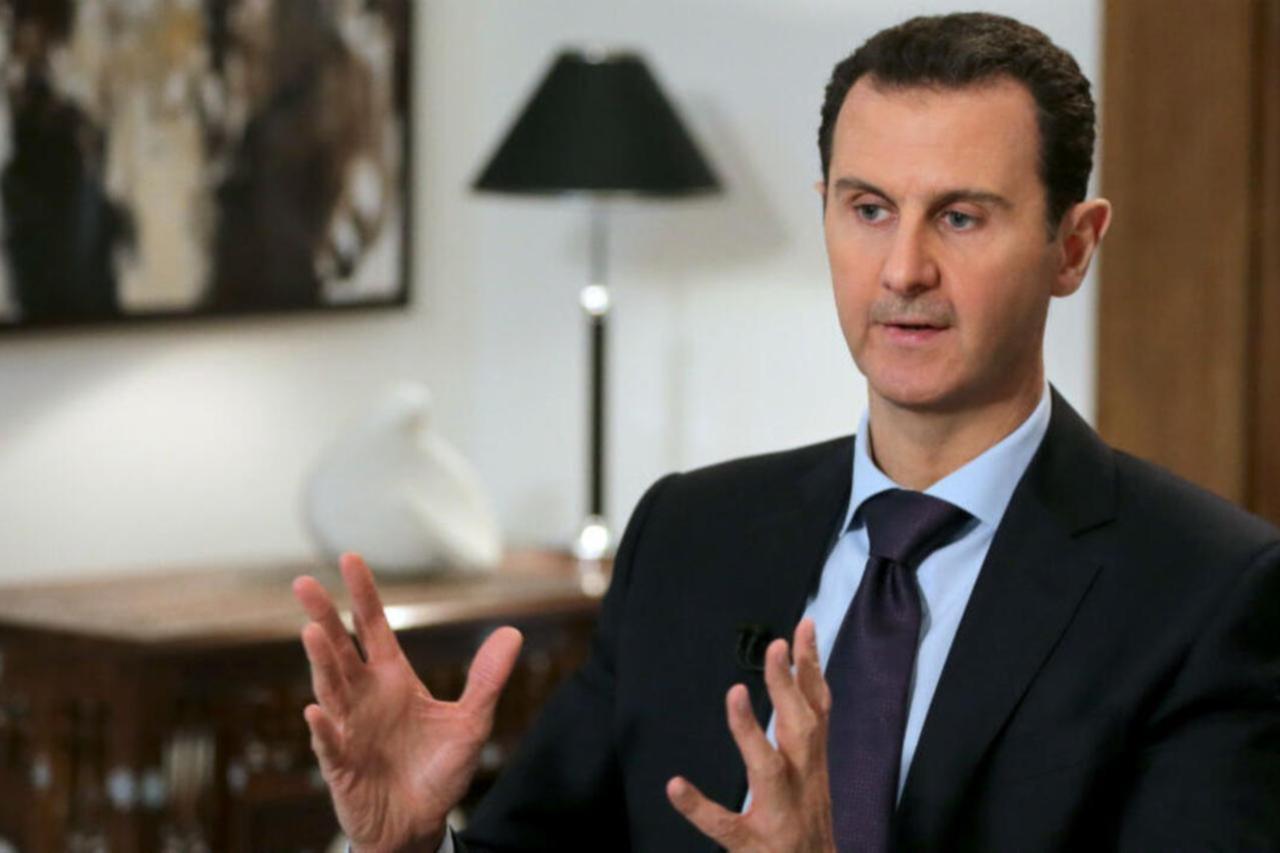
Türkiye Today refers to “Assad’s exile” without naming destinations. By contrast, Букви reports that Russian media said Assad took asylum in Russia in December 2024 and then claims he was appointed transitional president in January 2025 alongside rebel leaders—illustrating conflicting accounts that complicate efforts to locate fugitives and enforce justice.
Challenges in Post-Conflict Identification
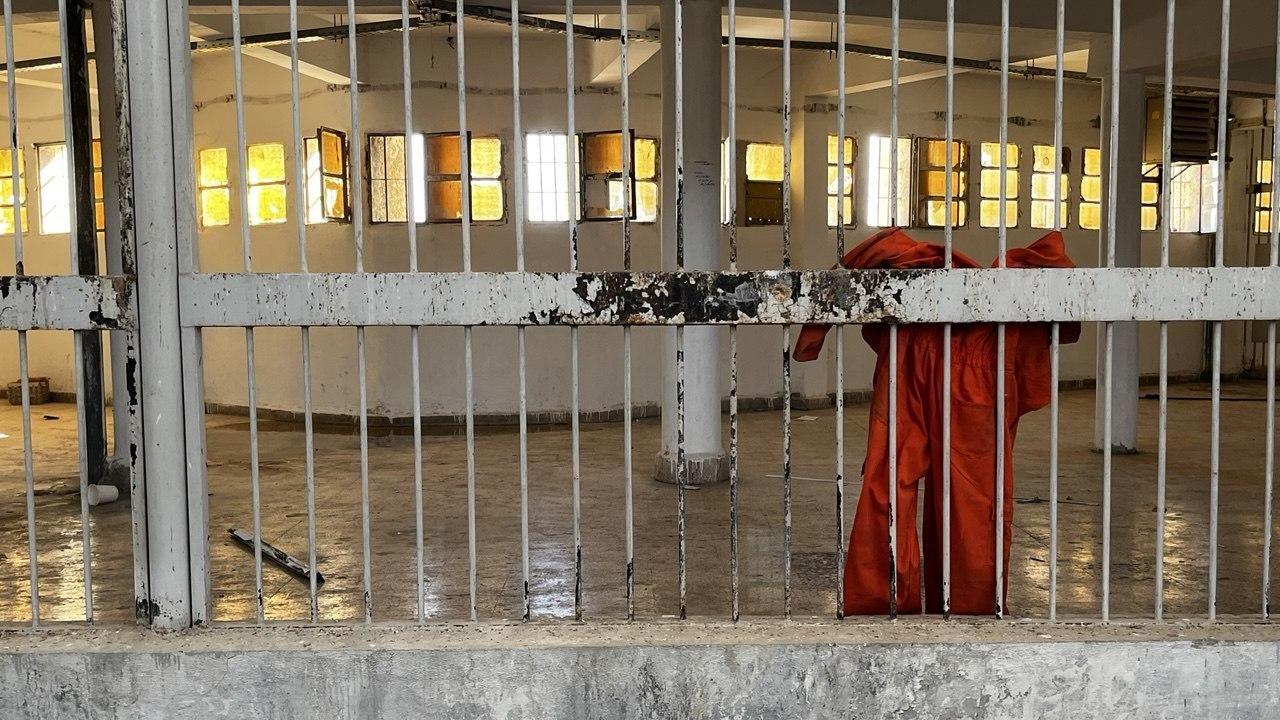
Post‑fall accountability is hampered by limited capacity and deliberate obfuscation. Türkiye Today reports that rights groups are advocating for a DNA bank and digital database, but chaotic reburials have complicated these efforts. The same source also notes that authorities are withholding the exact location of the new burial site.
MVNU describes plans for a National Commission for Missing Persons to create a DNA bank and platform, but states that mass graves remain unexcavated and the government has not released information. Daily Sabah highlights the extensive DNA work required and the emotional toll this process takes on families.
Moneycontrol adds that while the new government is attempting to identify missing persons, clandestine relocations complicate the return of remains. This situation underscores how the system that allowed perpetrators to escape also frustrates justice for their victims.
War Crimes and Disappearances
The stakes of flight and evasion are underscored by the record of atrocities. The New York Times links the 55 enforcers to torture, chemical weapons attacks, the 2013 sarin massacre in Ghouta, the Caesar photos of systematic torture and executions, and more—within a war that caused over 500,000 deaths. West Asian sources focus on the missing and mass graves.
“The New York Times is conducting an investigative project to identify and track key officials responsible for enforcing Syrian President Bashar al-Assad’s brutal regime...”
Daily Sabah notes Qutayfah was used since 2012 to bury soldiers and detainees, and that by December 2024 it was emptied. Türkiye Today cites over 160,000 missing.
Asian and other outlets document scale and repression. Moneycontrol says over 160,000 disappeared under Assad’s rule, while Букви cites 157,000 detainees recorded by the Syrian Network for Human Rights—illustrating different metrics that all point to massive, systematized abuse driving perpetrators to flee.