Australia18 February, 20262 min read
Australia Bars Citizen Returning From Roj Camp, Issues Temporary Exclusion Order Citing Security Advice
Australia issued a temporary exclusion order barring a Roj camp detainee, on security agencies' advice. Thirty-four Australian women and children left Roj camp but were turned back and returned.
13 outlets told this the same way.
Temporary exclusion order
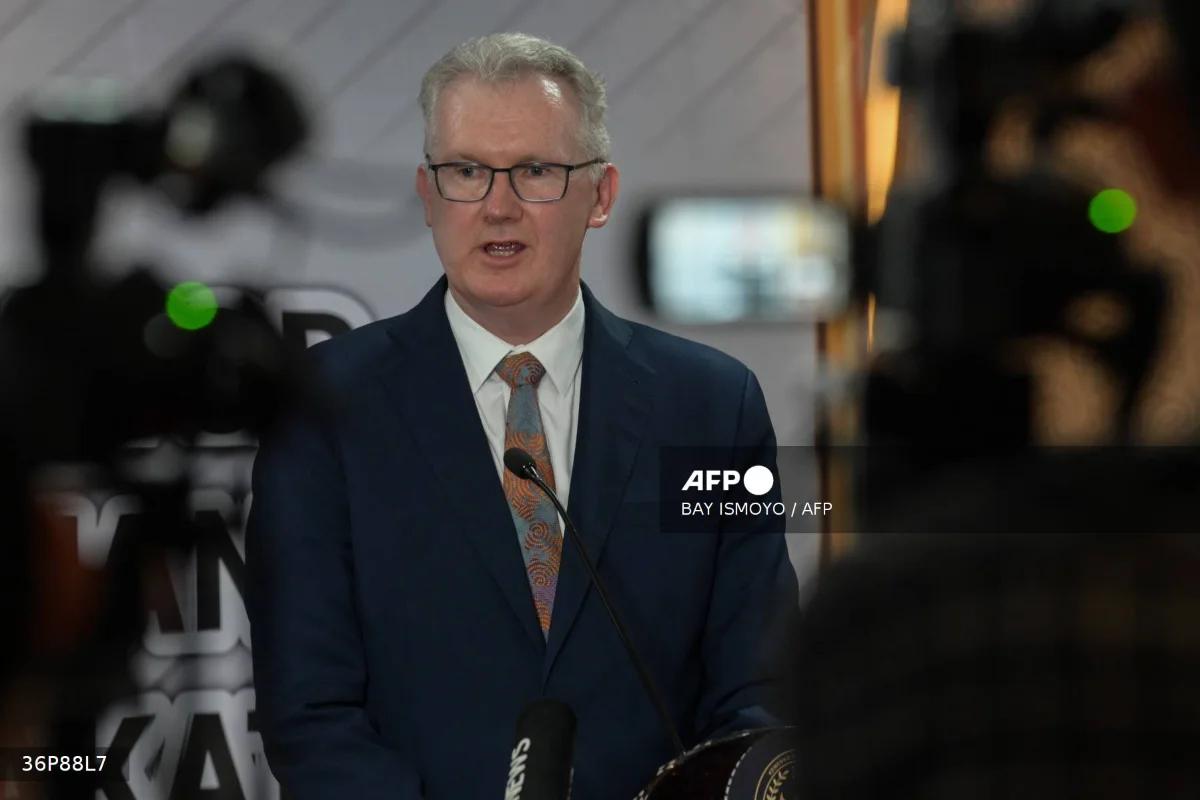
Australia has used a rarely-invoked counterterrorism power to temporarily bar one citizen from returning from the Roj detention camp in northeastern Syria, Home Affairs Minister Tony Burke said. Burke said he issued a temporary exclusion order on the advice of security agencies. Officials said the measure can last up to two years and was applied after security agencies advised the individual met the risk threshold.
“Home Affairs Minister Tony Burke said, issuing a temporary exclusion order (up to two years) on the advice of security agencies.”
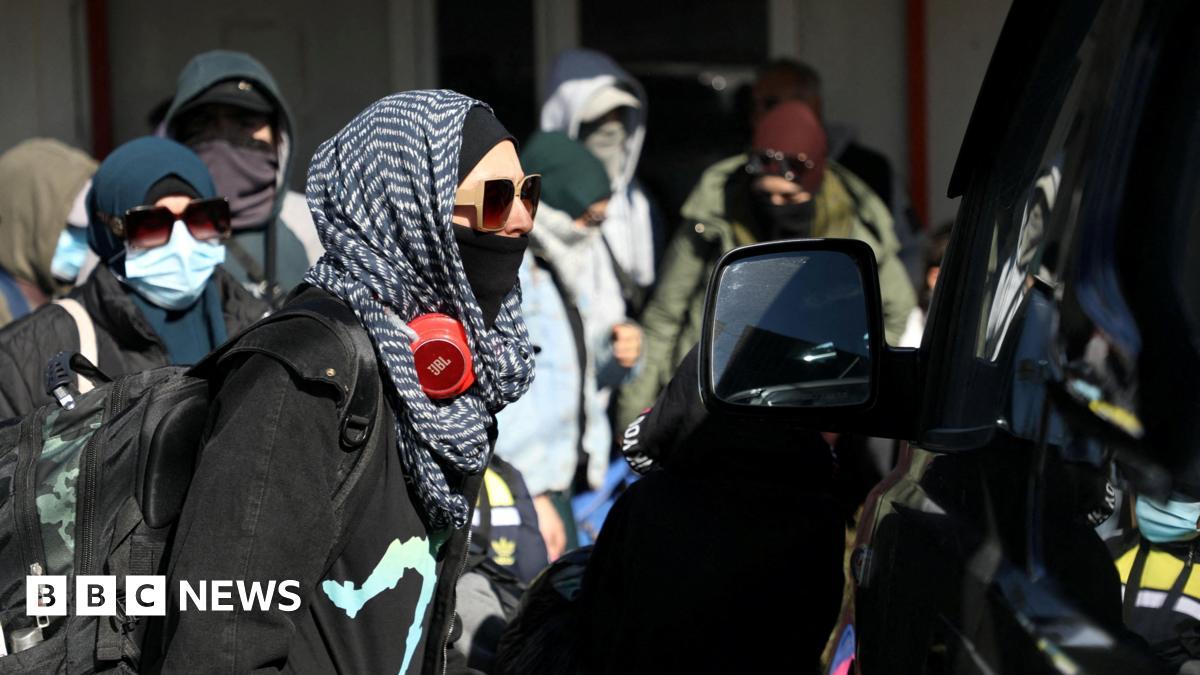
The person is part of a larger group of some 34 Australians linked to suspected Islamic State members whose planned travel out of the camp was halted and reversed. Kurdish officials and multiple reports said the group were escorted toward Damascus but were turned back, with Kurdish officials citing 'poor coordination' with Syrian authorities. Canberra says it will not provide assisted repatriation while conducting security assessments.

Australian repatriation issues
The blocked return forms part of a wider, messy repatriation picture. Multiple sources report roughly three dozen Australians in al-Roj and say some were handed to family members, put on buses and escorted toward Damascus before being returned for administrative or "technical" reasons.
Numbers and labels vary across reports — some outlets cite 34 people in the latest group, while other coverage and summaries note different totals for Australians in camps. Kurdish control of al-Roj and shifting control in neighbouring camps complicate movement and paperwork.
Exclusion order legal backdrop
The exclusion order sits against a fraught legal backdrop. Australian advocacy groups — notably Save the Children Australia — have pursued court action seeking repatriation for women and children held in northeastern Syria.
“Save the Children Australia had sued in 2023 for repatriation on behalf of 11 women and 20 children, but the Federal Court ruled against the group, finding Australia did not control their detention in Syria.”
A 2023 suit on behalf of 11 women and 20 children was dismissed by the Federal Court, which found Australia did not control their detention in Syria. At the same time, Canberra says security agencies must assess risk and that the exclusion power, introduced in 2019, can be invoked where agencies advise the person poses a security threat.
Debate over repatriation policy
The political and public debate is sharp. Prime Minister Anthony Albanese has publicly said the government will not assist repatriation of people who went to support Islamic State, saying 'You make your bed, you lie in it'. He emphasised that adults who adopted extremist views face scrutiny.
Various humanitarians and relatives press for the return of children who they say are victims of their parents' choices. Commentaries link the issue to domestic politics and public sensitivity around terrorism and immigration.
Repatriation status and uncertainty
Reporting shows repatriation remains possible but irregular. Australia repatriated small groups in 2022 and some Australians have returned without government assistance.
“Australia has previously repatriated some women and children on two occasions, and some Australians have returned without government help.”
Broadcasters and regional reporting note routes and embassy involvement in past returns and warn that shifting control in Syria makes future efforts unpredictable. Observers say security agencies are still assessing whether others meet the threshold for exclusion orders, leaving the wider cohort in legal and practical limbo.