Australia17 February, 20263 min read
Australian PM Albanese Refuses to Repatriate 34 Women and Children Linked to IS — Reports Conflict on Whether They Left or Were Sent Back to Roj Camp
Prime Minister Anthony Albanese said Australia will not repatriate 34 women and children from Syria Reports conflict whether 34 Australians left the Roj camp or were returned there
32 outlets told this the same way.
Australians at Al‑Roj
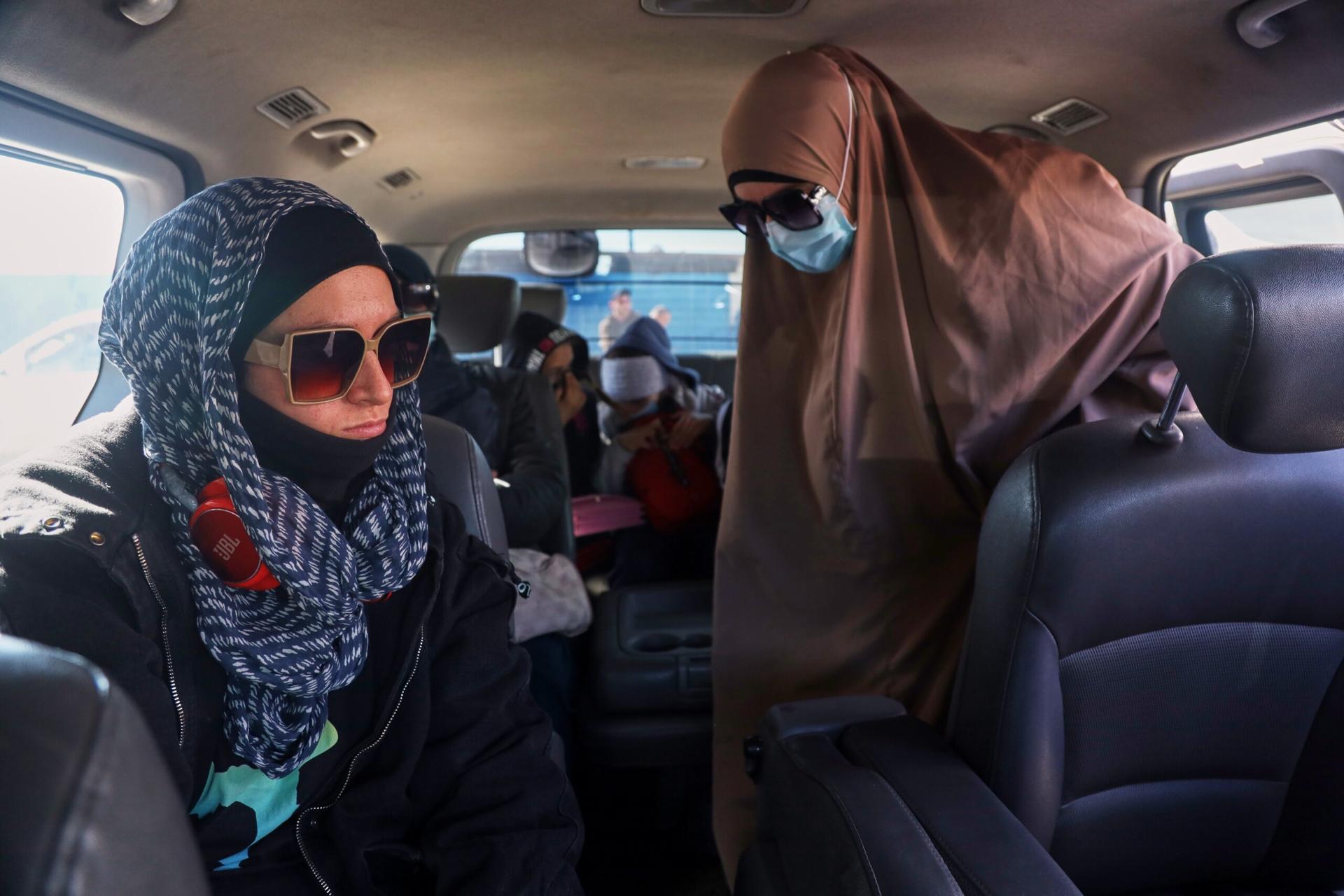
On Feb. 16–17 a group of 34 Australians—mainly women and children from 11 families—were moved from the Kurdish‑controlled Al‑Roj camp and attempted to travel toward Damascus.
“34 women and children from 11 families who were scheduled to travel from Al Roj to Damascus en route to Australia were returned to the camp by Syrian authorities, who said travel procedures were incomplete.”
They did not reach government‑held territory and were returned to the camp, with reports variously saying they were turned back by Syrian authorities or escorted back after failing to secure permission to continue.
Multiple outlets describe the same core event: the group was handed to relatives and placed on minibuses bound for Damascus but was sent back because travel procedures were incomplete or permission to enter government territory was missing.
Sources note Al‑Roj houses about 2,200–2,400 women and children from some 40–50 countries.
Camp officials described the recent group as possibly the last Australians at Roj.
Australian repatriation policy
Prime Minister Anthony Albanese has publicly ruled out government-led repatriation for Australians believed to have joined Islamic State. He has repeatedly said Canberra will provide "absolutely no support" and that he has "absolutely no sympathy" for those who travelled to join the IS "caliphate." Government spokespeople and Home Affairs officials have warned that anyone who returns having committed crimes will be investigated and prosecuted under Australian law.
Security agencies say they are monitoring attempts to return. Albanese framed the position as one of criminal accountability and national security. Some outlets quote him using the phrase "you make your bed, you lie in it."

Repatriation and legal debate
Legal and policy debate has focused on prosecution, temporary exclusion orders (TEOs) and a 2024 federal court ruling that rejected efforts to force repatriation. Opposition figures have pressed for measures such as TEOs to bar high-risk citizens from returning for up to two years.
“The federal court ruled for the government in 2024; Save the Children’s CEO argued there is a moral, if not legal, obligation to repatriate families.”
The government repeatedly says repatriation decisions will follow security-agency advice. Several outlets reference the 2024 court decisions and Save the Children’s failed legal bid, and report that some Australians have been repatriated previously (2019 and 2022) though most remain in camps or have been transferred to other jurisdictions for trial.
Repatriation and child welfare concerns
Humanitarian and rights actors, including Save the Children and UN experts cited by several outlets, urge repatriation and say children need protection, rehabilitation and reintegration. They argue that leaving minors in crowded, unstable camps risks abuse and radicalisation. Outlets reporting on the camps highlight dire conditions at Roj and Al-Hol.
Rights groups warn that transferring detainees to Iraq or leaving them in limbo undermines child welfare and due-process obligations. Commentators and analysts warn the refusal to repatriate could heighten long-term security risks by limiting deradicalisation, monitoring and prosecution opportunities.

Domestic and international fallout
The episode has renewed domestic political debate and international complications. Australia previously repatriated small groups in 2019 and 2022, and opposition politicians have pressed for stricter exclusions. Thousands of accused militants or relatives have been moved between camps or transferred to Iraq to face trial.
“Australia last repatriated a group from Syria in October 2022 (four mothers and 13 children); eight children had been returned in 2019.”
Some domestic commentators say the government’s stance plays to security-minded voters. Others warn it may complicate legal accountability, international cooperation and monitoring.
The story also intersects with wider regional instability. Changes in SDF control, SDF withdrawals from Al-Hol, and transfers of suspects to Iraq are repeatedly cited as reasons the situation is becoming more urgent and legally complex.