
Sheikh Naim Qassem Says Lebanon Framework Agreement Transfers Sovereignty From Zionist Regime
Key Takeaways
- Qassem rejects the Lebanon-Israel framework as null and void, claiming it surrenders sovereignty.
- He argues the framework would legitimate Israeli occupation and transfer sovereignty to Zionist regime.
- Qassem critiques the Lebanese government for negotiating the deal and reaffirms resistance as policy.
Framework signed, Qassem rejects
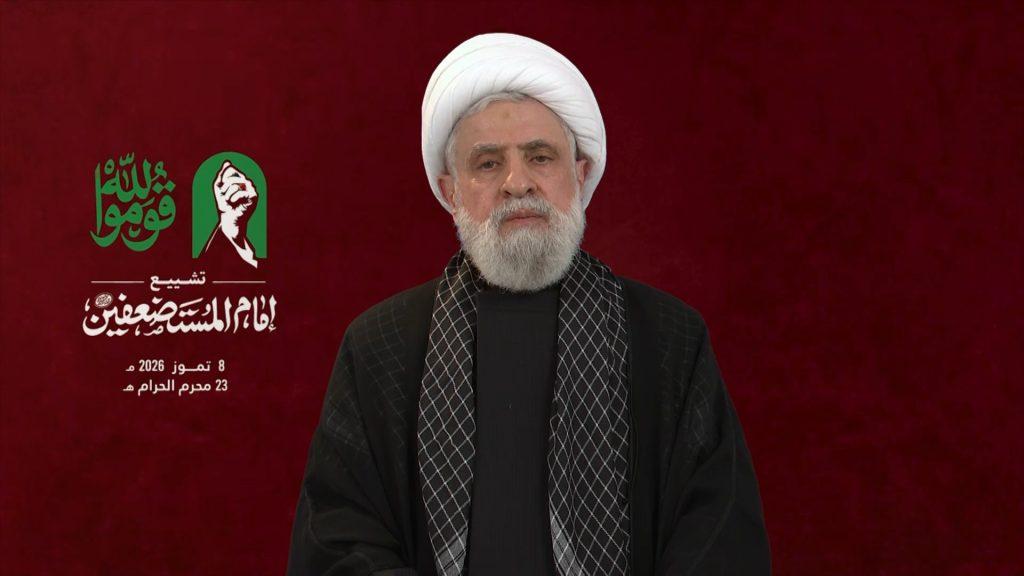
Hezbollah secretary-general Sheikh Naim Qassem said the framework agreement between Lebanese authorities and the Zionist regime is a transfer of Lebanon's sovereignty and that the resistance does not legitimize the occupation.
In his statement, Qassem argued that when a ceasefire offered after Pakistan-brokered talks between the United States and Iran was presented to Lebanese authorities, they rejected it, enabling the Israeli enemy to commit the Black Wednesday massacre, in which hundreds were killed and wounded, and with about a hundred airstrikes across Lebanon, including Beirut, the capital, devastation ensued.
Qassem also said that direct negotiations are nothing but free concessions to Israel because these sessions are designed to coerce surrender to the aggressor and the United States' demands, and he tied the framework to what he described as a relinquishing of the memorandum's leverage and the strength and resilience of the resistance.
Hezbollah’s secretary-general further said the Iran-U.S. memorandum of understanding treated the ceasefire in Lebanon as its first clause, and he quoted clause 1 as committing the United States, Iran and their respective allies to an immediate and permanent stop to hostilities on all fronts, including Lebanon, and to guarantee Lebanon's territorial integrity and sovereignty.
Netanyahu, Rubio, and protests
Hezbollah rejected the deal, and Qassem said tying the withdrawal of Israeli troops from southern Lebanon to disarming the resistance is a very dangerous proposal that crosses all red lines.
In a separate account of the framework announcement, Israeli Prime Minister Benjamin Netanyahu said Israel would remain in south Lebanon until Hezbollah disarms, adding that Israel would maintain a security zone outside the range of anti-tank fire and would not allow Hezbollah to enter it or the civilian population to enter.
The same reporting quoted U.S. Secretary of State Marco Rubio saying the agreement “begins to put in place a framework for lasting peace and security,” while Netanyahu described implementing two pilot areas, one entirely outside the security zone and south of the Litani River and the other north of the Litani.
The New Indian Express reported that Israel launched an airstrike on Saturday targeting suspected militants in the Nabatieh area of southern Lebanon, the first such attack since Washington announced a framework agreement between Israel and Lebanon.
Disarmament link and what’s at risk
Qassem said the framework agreement is void and invalid and that the provisions of the Iran-US memorandum of understanding must be implemented, while he warned that the agreement hands Lebanon's levers of power and the resistance's achievements to the Israeli regime for free and weakens the country's sovereignty.
He argued that under the framework, the Israeli regime would have a supervisory role over the deployment of the Lebanese army and the process of disarming the resistance, and he said this could lead to the continuation of the occupation and even the annexation of parts of Lebanon's territory to the Zionist regime.
In the same dispute over consequences, the Lebanon-Israel deal was described as being presented as a step toward ending months of war but also raising fears of lasting occupation because Israeli forces remain on Lebanese territory and Lebanon is being asked to disarm Hezbollah before Israel fully withdraws.
The reporting also said humanitarian organizations estimate that more than 1 million people have been displaced since the conflict escalated and that more than 4,000 people have been killed in Lebanon, with many residents of southern Lebanon unable to return home because Israeli forces continue to control portions of the region.
More on Lebanon
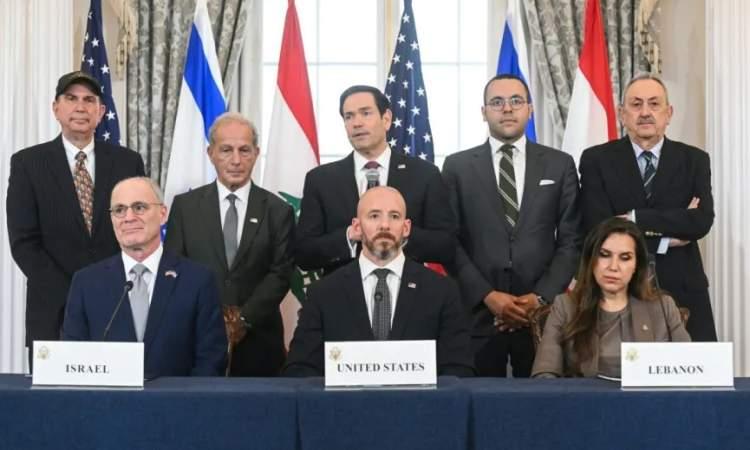
Hezbollah Rejects Israel-Lebanon Framework Agreement After Washington Talks With Marco Rubio
11 sources compared

Israeli Forces Withdraw From Dibin as Lebanese Army Opens Roads With UNIFIL
18 sources compared
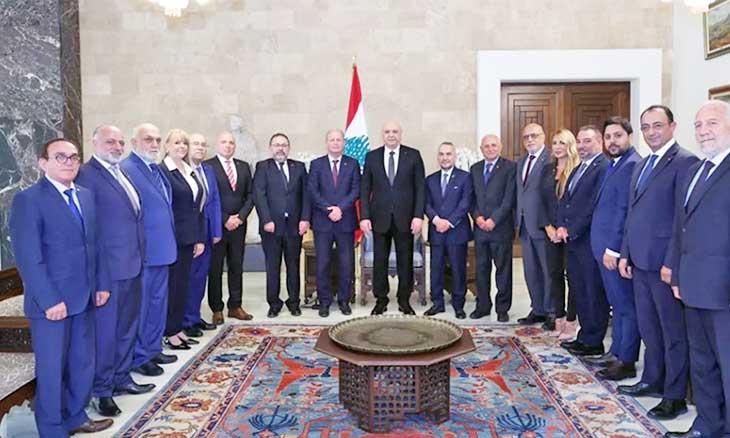
Israel Announces Rome Talks With Lebanon July 15-16, Italy Welcomes Dialogue
11 sources compared

Walid Jumblatt Says Israel Imposed Lebanon Framework Agreement, Peace With Israel Is Impossible
10 sources compared