Britain09 November, 20253 min read
BBC Admits Misleadingly Edited Trump January 6 Speech Amid Bias Allegations
This article is an automated aggregation of coverage from news outlets. Our editorials offer in-depth analysis curated by the NewsCord team.
BBC edited Donald Trump’s January 6 speech misleadingly in a Panorama documentary. BBC is expected to issue a formal apology for the misleading editing.
6 outlets told this the same way.
BBC Editing Controversy on Trump Speech
The BBC’s handling of Donald Trump’s January 6 speech has drawn sharp scrutiny after a Panorama segment stitched together lines spoken far apart, creating a misleading impression.
“The BBC is preparing to apologise for misleading editing in its Panorama documentary ‘Trump: A Second Chance?’, which manipulated segments of a Donald Trump speech to falsely suggest he said he would walk to the US Capitol to ‘fight like hell.’”
The Spectator reports the BBC is preparing to apologise for “misleading editing” in “Trump: A Second Chance?”, which manipulated segments to suggest Trump would walk to the Capitol to “fight like hell.”
The Guardian likewise describes a BBC broadcast that aired a heavily edited clip, implying Trump said, “We’re going to walk down to the Capitol and I’ll be there with you, and we fight. We fight like hell,” even though those words were spoken nearly an hour apart.
The BBC’s own account states the program combined two sections spoken more than 50 minutes apart, and specifies that the “fight like hell” phrase came from a section about alleged election corruption rather than marching to the Capitol.
NewsBreak adds that the corporation is expected to issue an apology regarding the Panorama episode.

BBC Bias Allegations and Responses
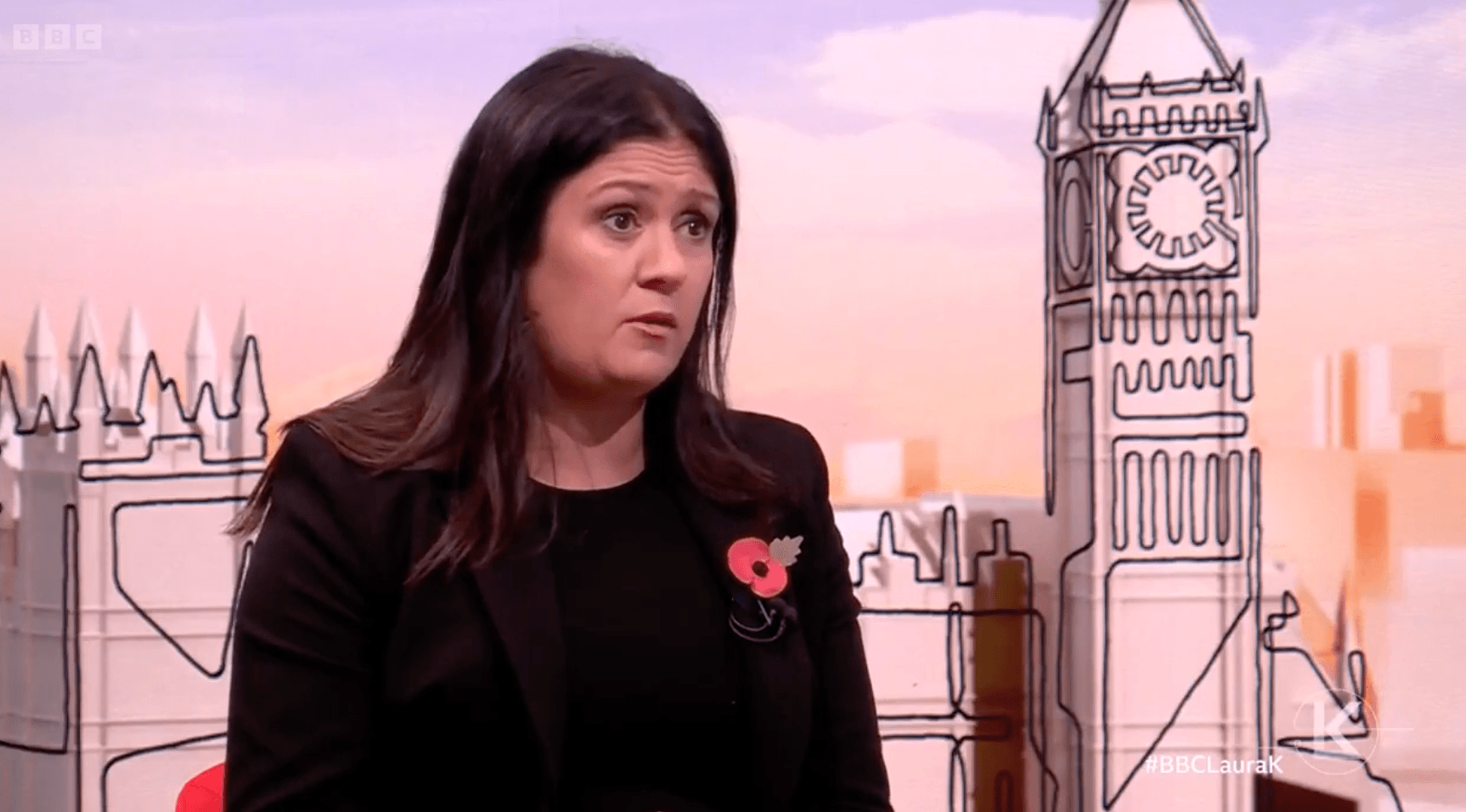
The controversy has widened into broader claims of bias and inconsistent standards at the BBC. NewsBreak reports Culture Secretary Lisa Nandy has expressed confidence that BBC leadership is taking allegations of bias seriously. A leaked memo from former editorial standards adviser Michael Prescott raises concerns about systemic bias and inconsistent editorial standards.
The Spectator echoes that Nandy highlighted systemic bias and inconsistent language use, warning that mixing factual news with opinion is undermining trust. The Spectator also criticises Ofcom for not acting against politicians presenting news.

The Guardian’s focus remains on the fact of the misleading edit itself. The BBC’s account details exactly how the clip was constructed—two sections over 50 minutes apart and a 'fight like hell' line from a different context—underlining why the edit drew complaints.
BBC Controversy and Political Reactions
NewsBreak reports a political row around the episode involving the BBC. Former Prime Minister Boris Johnson accused the BBC of arrogance and suggested a political campaign to undermine it. BBC presenter Nick Robinson acknowledged editorial mistakes but defended the BBC against political attacks.
“The issue has sparked a public dispute between former Prime Minister Boris Johnson, who accused the BBC of arrogance and suggested a political campaign to undermine the broadcaster, and BBC presenter Nick Robinson, who acknowledged editorial mistakes but defended the BBC against political attacks.”
Senior journalist John Simpson supported Nick Robinson's defense of the BBC. Parliamentary oversight has intensified, with the Culture, Media and Sport Committee requesting a formal response from BBC chair Samir Shah. NewsBreak says an apology from the BBC is expected.
The Spectator focuses on Nandy’s list of serious allegations. When asked about confidence in Director General Tim Davie, Nandy’s response was noted but not detailed. The Guardian and BBC continue to focus coverage on the specific editorial failure—the misleading splicing of lines spoken nearly an hour apart and the out-of-context use of the phrase 'fight like hell.'
BBC Editing Controversy and Response
Next steps point to both contrition and reform. NewsBreak highlights Nandy’s call for clearer editorial guidelines and consistent language use, criticising decisions left to individual journalists. NewsBreak also notes the committee’s formal request to BBC chair Samir Shah.
The Spectator says the broadcaster is preparing to apologise for misleading editing that manipulated segments to falsely suggest Trump would walk to the Capitol to fight like hell. The Spectator relays Nandy’s criticism of Ofcom’s inaction over politicians presenting news.

The BBC’s own write-up confines itself to factual corrections, explaining the clip joined two sections over 50 minutes apart and lifted fight like hell from a different context. The Guardian underscores the misleading juxtaposition and that the quoted lines were almost an hour apart.