Crime23 April, 20268 min read
BBC Undercover Investigation Finds Cocaine, Cannabis Sold in UK High Street Mini-Marts
This article is an automated aggregation of coverage from news outlets. Our editorials offer in-depth analysis curated by the NewsCord team.
Undercover filming across four West Midlands towns found cocaine, cannabis, laughing gas, prescription pills sold. Organised crime networks exploit mini-marts, with intimidation and violence used against shop staff.
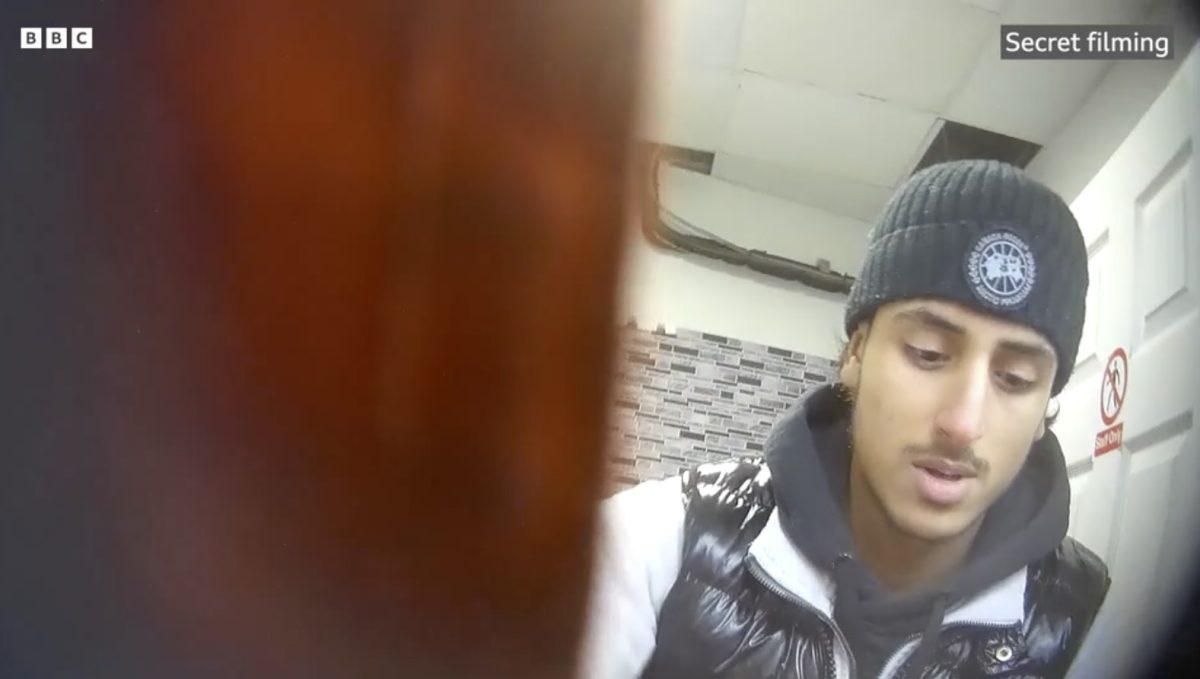
BBC undercover exposes trade
A BBC investigation filmed undercover researchers buying illegal drugs in mini-marts on UK High Streets, with the broadcaster reporting that “Cocaine, cannabis, laughing gas and prescription pills are being offered for sale in mini-marts on UK High Streets.”
The BBC said the purchases were made after researchers “secretly filmed in shops across four neighbouring West Midlands towns,” and it described one street it visited as “lawless” based on an anonymous law enforcement source.
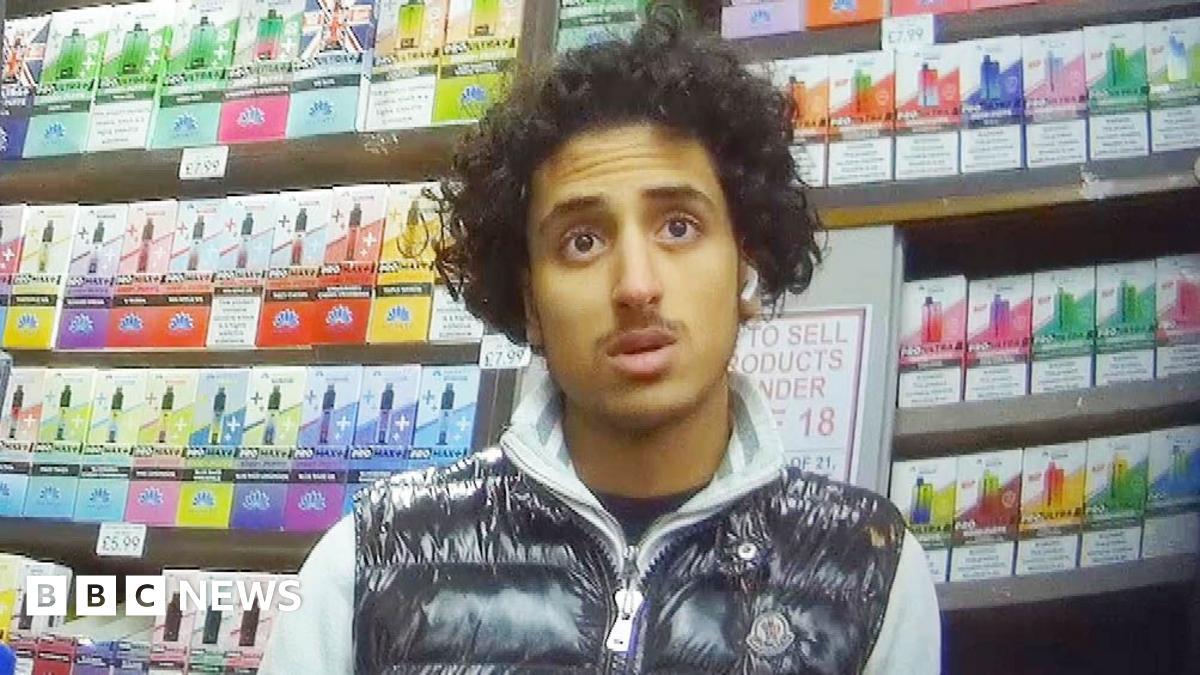
In Cradley Heath, the BBC reported that a man behind the counter at a shop called Cradley Market told an undercover researcher, “I’ve got weed, coke, everything. Whatever you want, I can sort you out.”
The BBC said the researcher bought “3.5g of cannabis for £30,” and on a later visit was sold “a gram of cocaine” for “£95” after it was delivered to the shop.
The BBC also reported that the offer included pregabalin, describing it as “a prescription drug used to treat anxiety, nerve pain and epilepsy,” and it said its misuse has been linked to a “sharp increase in deaths.”
The BBC investigation further said it found drugs, including “crystal meth and heroin,” in “more than 70 shops and linked premises,” with analysis spanning locations from “Bideford in Devon” to “Great Yarmouth in Norfolk” and “Belfast in Northern Ireland.”
How deals were arranged
The BBC described how the mini-mart sales were conducted quickly and with minimal resistance during its undercover filming, including a sequence in which the researcher was taken to the back of Cradley Market before being handed cannabis from a rucksack.
The BBC said that after the researcher asked about buying cocaine, “Akwa immediately made a call to get some,” and “A couple of hours later, a gram of cocaine was delivered to the shop.”

It also reported that while the researcher was in the shop, Akwa showed “a selection of pictures of prescription drugs on his phone for sale,” inviting the researcher to take photos.
The BBC said the offer included pregabalin and described it as “a prescription drug used to treat anxiety, nerve pain and epilepsy,” while also stating that “Its misuse has been linked to a sharp increase in deaths.”
In Dudley, the BBC reported that it observed “so-called ‘spotters’ outside mini-marts - on the lookout, we were told, for potential law enforcement raids,” and it said its team was “also followed and photographed by mini-mart workers on Dudley High Street.”
The Coventry Observer echoed the BBC’s account of the Cradley Heath exchange, repeating the quote “I’ve got weed, coke, everything. Whatever you want, I can sort you out,” and it said the researcher was “subsequently sold 3.5 grams of cannabis for £30.”
The Coventry Observer also described how the BBC reported indirect transactions, saying that in one Dudley shop “a researcher paid £25 and was instructed to wait outside, where a separate individual later delivered a nitrous oxide canister.”
Officials, MPs, and enforcement
The BBC’s findings prompted calls for government action and responses from enforcement bodies, with Liam Byrne, chair of the Business and Trade Committee, arguing that the problem requires urgent measures.
The BBC quoted Byrne saying, “We can't restore our High Streets unless we take out the cancer of organised crime,” and it reported that he was calling on the government to act urgently after the investigation.
The BBC also said the government is working with police, the NCA and Trading Standards to “take the strongest possible action against these criminal businesses,” quoting a Home Office spokesperson.
West Midlands Police told the BBC it would work with partners “to act on complaints about illegal drugs sales, anti-social behaviour, and crime and disorder.”
In Dudley, the BBC quoted Trading Standards lead Kuldeep Maan saying, “The sale of illegal drugs, alongside counterfeit cigarettes and illegal vapes, is the worst it has been in 20 years,” and it said Maan told the BBC he shut down “39 shops” for selling illegal cigarettes in “12 months.”
The Coventry Observer added a further enforcement perspective by quoting John Herriman, chief executive of the Chartered Trading Standards Institute, saying his organisation is calling for “stronger powers, including longer closure periods and permanent shutdowns for repeat offenders.”
The Coventry Observer also included a former West Midlands police officer’s reaction, quoting, “Crime is rife, there are no deterrents. These people think they can get away with anything. Law and order is going out the window.”
Retailers describe intimidation and violence
Beyond the undercover purchases, the BBC reported that legitimate businesses were intimidated by gangs and had witnessed “knife and gun violence,” and it said shopfronts were being exploited by organised criminal gangs that had “gained a foothold pushing illegal drugs.” The BBC’s account included a warning from a law enforcement whistleblower that drug gangs were “out of control along its 300m stretch of High Street,” referring to the Black Country town it visited. The Coventry Observer quoted a shop owner describing the atmosphere as dangerous, saying, “People are scared to come here, there are a lot of fights, knives, guns.”
It also reported that another business owner described “repeated vandalism and intimidation,” claiming individuals had attempted “to force her to sell her premises.” The Coventry Observer further said enforcement efforts face challenges because “Shops can currently be closed for up to three months under existing legislation,” while authorities said this is often insufficient as some businesses reopen or relocate nearby.
The Coventry Observer also stated that the BBC reported “suspected ‘spotters’ outside shops, believed to be monitoring for police activity,” and it described how the BBC said in some cases transactions were conducted indirectly. The Gulf News version of the story amplified the same themes, describing the BBC’s findings as exposing a growing “cancer” of organised crime and saying legitimate business owners described being threatened, harassed and, in some cases, physically attacked.
Debate over powers and scale
The story’s scale and the proposed remedies were framed differently across outlets, with the Coventry Observer stressing the BBC’s nationwide analysis and the legal constraints on closures, while other coverage focused on the urgency for stronger protections for independent retailers. The Coventry Observer said the BBC’s analysis of local reports identified “more than 70 shops or linked premises,” and it repeated the BBC’s geographic sweep from “Devon to Norfolk to Northern Ireland.” It also highlighted that the BBC reported “Shops can currently be closed for up to three months under existing legislation,” and it tied that limit to the argument for “longer closure periods and permanent shutdowns for repeat offenders.”
“This issue has been highlighted before and it is deeply troubling that the situation appears to be getting worse.”
The Coventry Observer quoted Liam Byrne saying, “The scale of it is horrifying and the ease of it is just terrifying,” and it reported that he urged a “zero tolerance approach” to organised crime on High Streets. Talking Retail, meanwhile, framed the BBC investigation as a threat to the High Street’s future and quoted the British Independent Retailers Association’s Andrew Goodacre saying, “This issue has been highlighted before and it is deeply troubling that the situation appears to be getting worse.”
Talking Retail also quoted Goodacre’s call that “No legitimate retailer should have to trade alongside criminal operations,” and it urged landlords to be “far more diligent about who they are letting their premises to.” Gulf News, in contrast, described the BBC’s findings as turning “parts of Britain’s High Streets into hubs of illegal trade hidden in plain sight,” and it asserted that the investigation found illegal drugs “even to children,” while also repeating the “more than 70 shops” figure and the “lawless” description from a law enforcement source.
What happens next
The outlets’ reporting converged on a near-term push for stronger enforcement powers and more resources, while also describing ongoing investigation and the possibility of repeat reopening. The BBC said its investigation was “ongoing and forms part of a broader examination of criminal networks operating within everyday retail environments,” and it reported that the government is working with police, the NCA and Trading Standards to “take the strongest possible action against these criminal businesses.” The Coventry Observer added that John Herriman said the Chartered Trading Standards Institute was calling for “stronger powers, including longer closure periods and permanent shutdowns for repeat offenders,” and it stated that “Shops can currently be closed for up to three months under existing legislation.”
Talking Retail reported that Bira was calling on “all stakeholders to act,” and it quoted Andrew Goodacre saying “Tackling this requires every stakeholder to play their part.” It also reported that ACS said the government should provide more funding for Trading Standards teams, make it easier to report illicit activity, and provide police with legal powers to access tobacco track and trace data, referencing a March letter to Kate Dearden.
Talking Retail further cited ACS’s 2024 report warning that Trading Standards would need “an additional £140m and hundreds of enforcement officers,” and it quoted ACS chief executive Ed Woodall saying, “Rogue businesses are popping up across the UK, selling a broad range of stolen, illicit and dangerous products that cause enormous damage to communities.” Gulf News described a “frustrating cycle” in which “Shops are shut down, only for criminals to reopen nearby,” and it said current laws allow closures for limited periods while enforcement agencies argue for “stronger, longer-lasting powers.”