Crimeupdated 1h ago2 min read
UAE Attorney General Hamad Saif Al-Shamsi Says Flydubai Co-Pilot Planned Suicide Attack on Ben-Gurion Airport
This article is an automated aggregation of coverage from news outlets. Our editorials offer in-depth analysis curated by the NewsCord team.
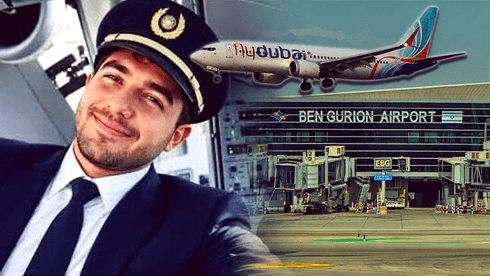
Omani Flydubai co-pilot Hamam al-Hammami planned suicide attack crashing plane into Ben-Gurion Airport. Inspired by 9/11 attacks, he planned the deadly strike.
Suicide Plot Alleged
The United Arab Emirates attorney general Hamad Saif al-Shamsi said the Flydubai co-pilot who tried to seize control of a Flydubai aircraft on September 30 was on a “suicide” mission to crash the plane at Israel’s Ben Gurion airport in Tel Aviv. The UAE prosecutor said the plan “drew inspiration from the 9/11 attack”, and the investigation found the 29-year-old suspect used two previous flights to Tel Aviv to “familiarise himself with the flight route and the airport”. The investigation described the co-pilot as having worked for several airlines in different countries, including Oman Air and Royal Air Maroc, before joining Flydubai in January.
The investigation said the suspect told investigators he had prepared psychologically and physically for the attack by viewing material promoting “terrorism” and taking boxing lessons. The investigation said the suspect “admitted that he had acted alone, without the involvement of others”, while prosecutors said they were still examining possible connections.

Cockpit Attack and Landing
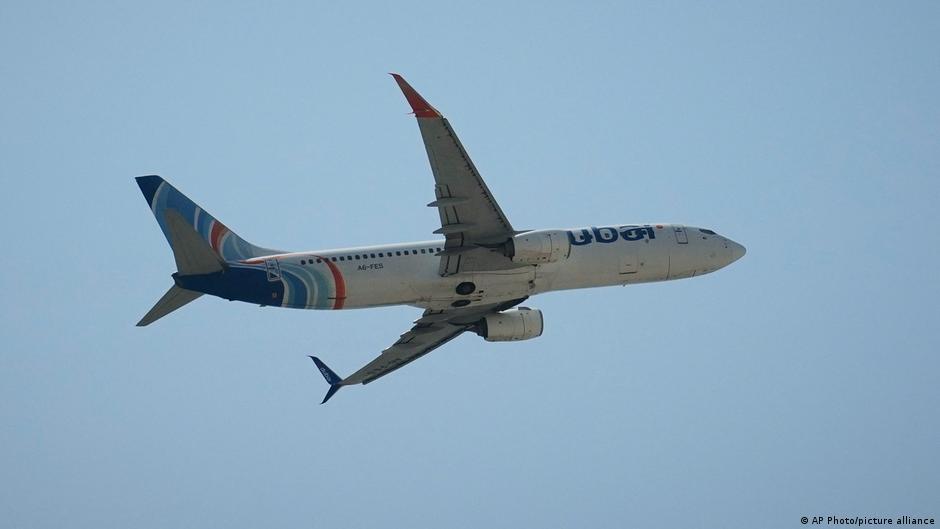
The co-pilot attacked the Indian captain of the Flydubai flight from Dubai to Tel Aviv, Smit Machchhar, and the captain opened the cockpit door so passengers and crew could overpower the attacker. The UAE account said the aircraft eventually levelled out at about 15,000 feet and that its transponder was switched to code 7500, signalling unlawful interference. Two reserve pilots took control of the jet and landed it in Tabuk, northwestern Saudi Arabia, and the plane landed safely at 9:45am local time.
The flight-tracking data described the plane plunging more than 17,000 feet in about two minutes after the cockpit fight began. The investigation said the return flight captain entered the cockpit after noticing the door opening and closing repeatedly in an unusual manner, then intervened with assistance from a cabin crew member and several passengers.
Investigation and Accountability
The UAE prosecutor’s findings said the suspect met professional and security requirements for employment, including holding a pilot’s licence, providing a certificate of good conduct, and completing the required checks. The findings also said “none of the procedures revealed any indications of his extremist views or his intention to carry out a terrorist plot,” even as prosecutors described signs of radicalisation emerging in 2017 while studying in Australia. The investigation said the co-pilot was in Emirate custody and that the UAE Public Prosecution would announce any new findings.
“The civilian bravery and resourcefulness demonstrated by the heroes present here cannot overshadow the obligation to obtain full answers.”
Israeli President Isaac Herzog awarded the Presidential Award for Civilian Heroism to six Israelis who helped foil the attempted Flydubai hijacking, and he said, “The civilian bravery and resourcefulness demonstrated by the heroes present here cannot overshadow the obligation to obtain full answers.” Prime Minister Benjamin Netanyahu ordered a “thorough review of all security aspects of foreign civil aviation to Israel” after the incident, while the investigation continued into whether the co-pilot acted alone.