Full story
Netanyahu rejects 15-point plan
Israeli Prime Minister Benjamin Netanyahu rejected a U.S.-backed Gaza proposal in which Hamas would lay down its weapons in exchange for Israeli withdrawal, and he said Israel would not carry out any withdrawal until Hamas is disarmed.
“"Israel rejects the15-point document."”
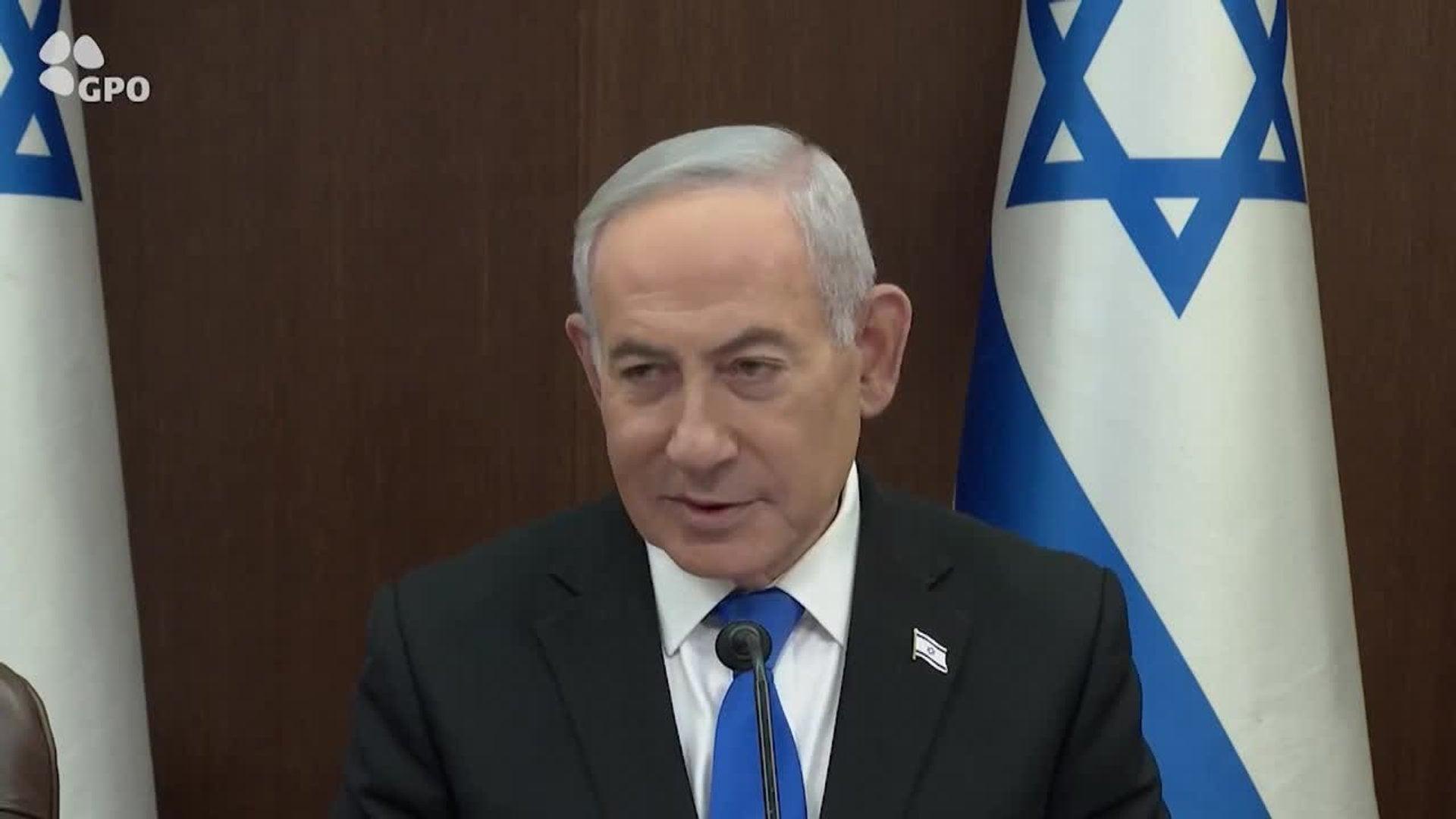
At a weekly cabinet meeting, Netanyahu told ministers, "Israel rejects the15-point document," and he clarified that "The IDF will not carry out any withdrawal until Hamas is disarmed."
The dispute centers on a phased process described as a 15-point plan backed by President Donald Trump’s Board of Peace, with Hamas accepting the framework while avoiding the term disarmament and agreeing to hand over weapons to be stored under a U.S.-backed Palestinian technocrat administration.
The New York Times reported that Trump’s Board of Peace announced the agreement between his Board of Peace and Hamas late last month, and that Netanyahu’s office had initially expressed reservations before Sunday’s open rejection.
The Times of Israel said the roadmap is intended for postwar Gaza governance, with Hamas’s acceptance framed alongside Israeli officials warning the terror group is exploiting the process to prevent renewed Israeli military action.
Rift and competing demands
Netanyahu’s rejection was presented as a direct challenge to the Trump-backed roadmap, with the Times of Israel describing Israeli officials’ concern that Hamas’s agreement is a "strategic ambush" and that the security cabinet last month approved having an International Stabilization Force enter Gaza to disarm Hamas and assume control.
In a cabinet setting, Netanyahu said, "I heard people saying, âYou didnât say so,'â Netanyahu told his cabinet Sunday," and he returned to the same line that Israel rejects the 15-point document.
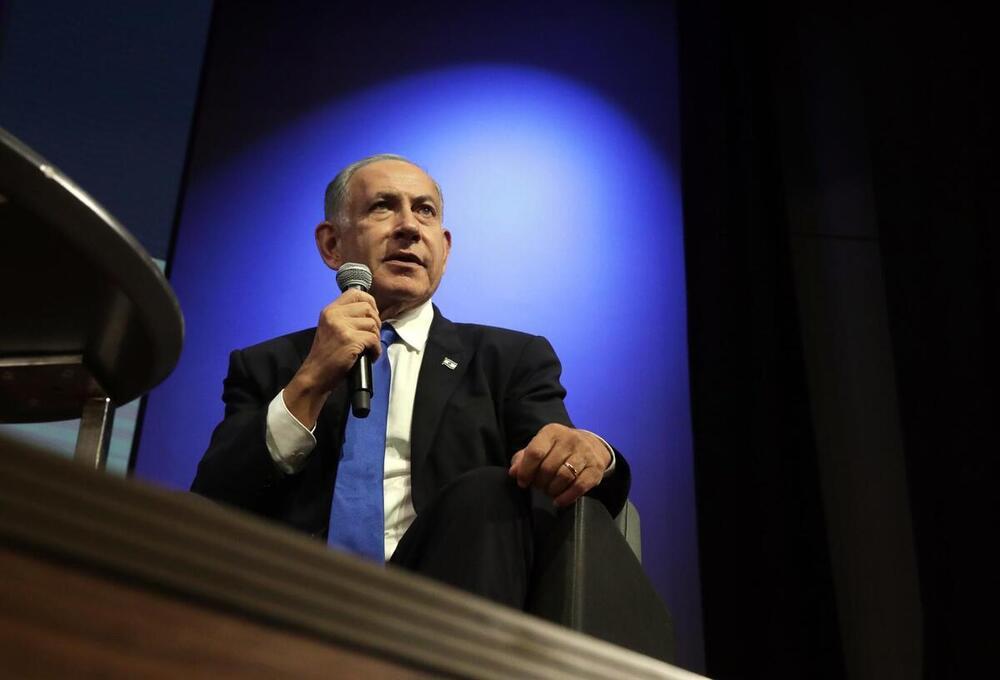
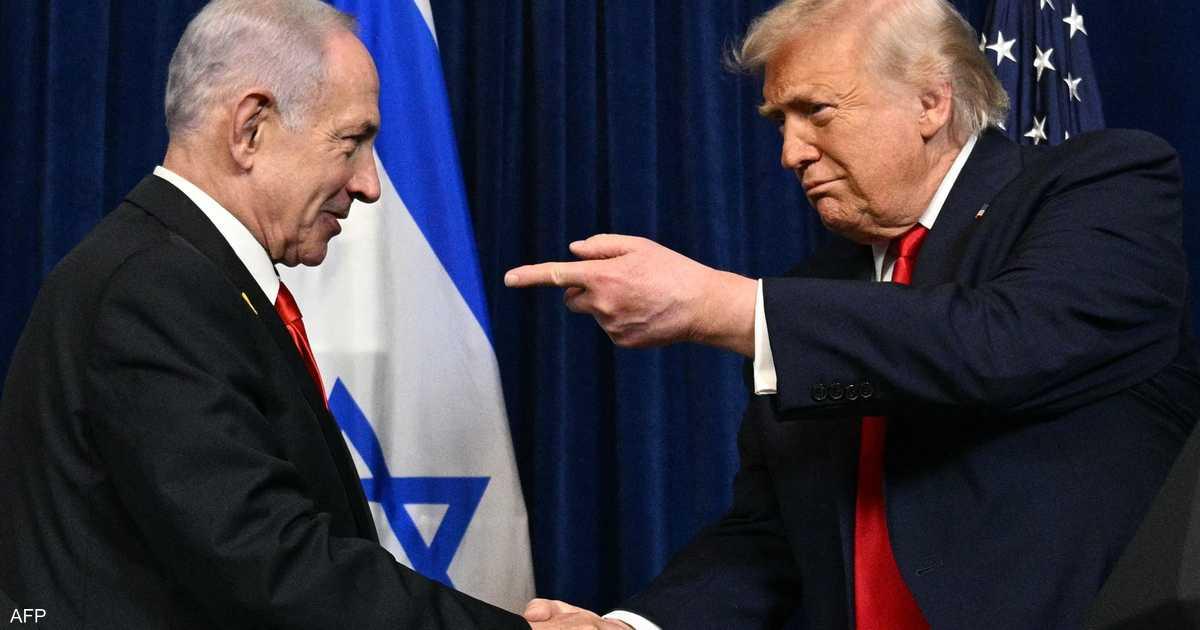
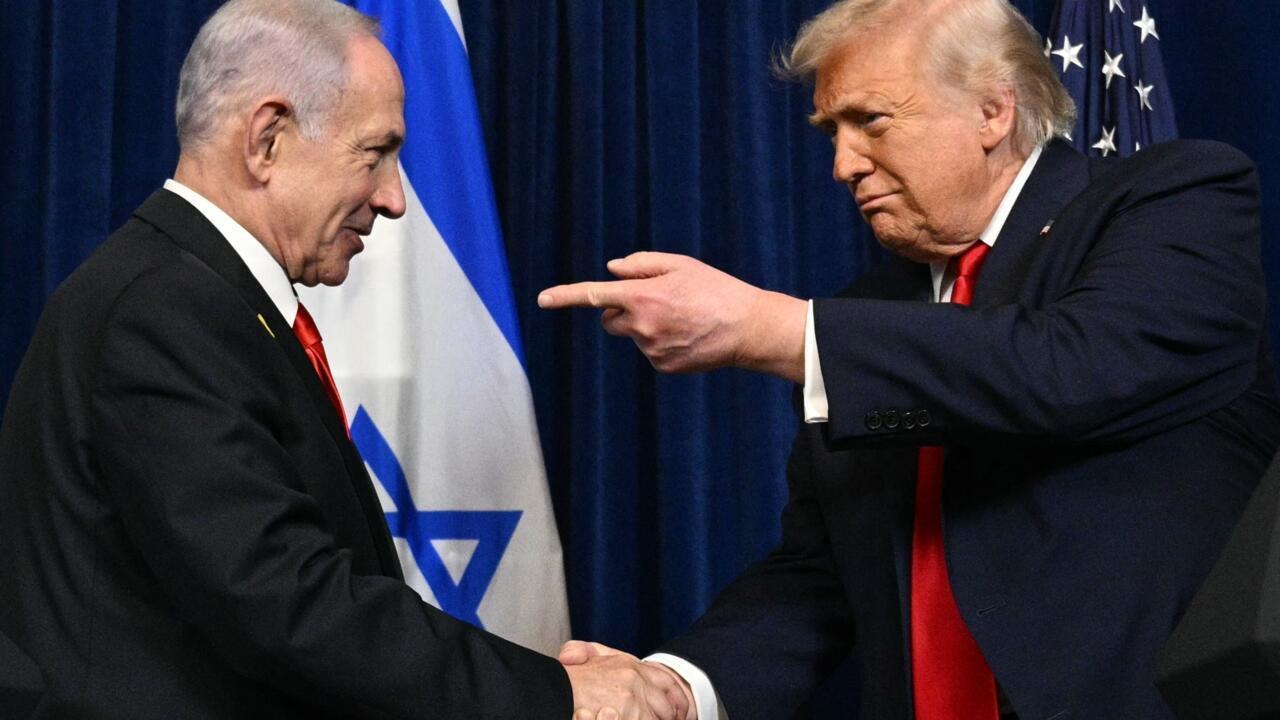
The New York Times characterized the move as an unusually public break with President Trump, whose relationship with Netanyahu had been described as "dizzying and often unpredictable," while the Washington Post framed it as Netanyahu rejecting a U.S.-backed plan for Hamas disarmament and Israeli withdrawal.
On the Israeli side, far-right Finance Minister Bezalel Smotrich praised Netanyahu’s stance by saying, "We went to war with a central goal: the destruction of Hamas," and he added that "The (military) cannot withdraw even a millimeter from the Gaza Strip."
On the Palestinian side, the Spanish-language El Mundo reported that Hamas said it "reitera su determinación de participar de manera responsable" in applying the 15 points and called for a clear timetable leading to a complete ceasefire and the end of attacks on "nuestro pueblo."
What happens next
The 15-point framework described in the sources links Hamas disarmament to Israeli withdrawal, and it also ties governance in Gaza to a National Committee for the Administration of Gaza alongside an International Stabilization Force.
“"El Ejército de Defensa de Israel no llevará a cabo retirada alguna hasta que se produzca un desarme real de Hamás"”
In the RTVE account, Netanyahu reiterated that Israel would not abandon Gaza until Hamas disarms, and he said, "Israel rechaza el documento de los 15 puntos," while also stating, "El Ejército de Defensa de Israel no llevará a cabo retirada alguna hasta que se produzca un desarme real de Hamás."
RTVE further reported that Hamas maintained "firme compromiso" with the plan and said the priority was "garantizar la plena implementación del acuerdo en todas sus fases y requisitos," leading to "un alto el fuego completo" and "el fin de los ataques contra nuestro pueblo."
The Washington Post described the proposal as a breakthrough toward ending the conflict, but it also placed Netanyahu’s rejection in the context of a broader clash over how to end the war and the future of Israel’s military campaigns in Gaza and Lebanon.
Meanwhile, the Jerusalem Post argued that the stalemate over implementing phase two of the Trump peace plan stems from an absence of an agreed sequence, and it described the new 15-point plan as an attempt to restart a stalled process that envisions Hamas disarming, Israel withdrawing, an International Stabilization Force providing security, and the National Committee for the Administration of Gaza assuming civilian governance.