
Gaza Genocide · 08 August, 2026 · 3 min read
Israeli Troops Infiltrate Zawtar Al-Gharbiyah, Lebanon Says, Wounding Three Soldiers
Israeli troops infiltrated Zawtar al-Gharbiyah and erected an earthen barrier overnight. Three Lebanese soldiers were wounded while defusing unexploded ordnance in the village.
13 outlets told this the same way.
7 of 9 outlets skipped it: three Lebanese soldiers were wounded defusing unexploded ordnance in the village.
13outlets compared
Zawtar al-Gharbiyah barrier
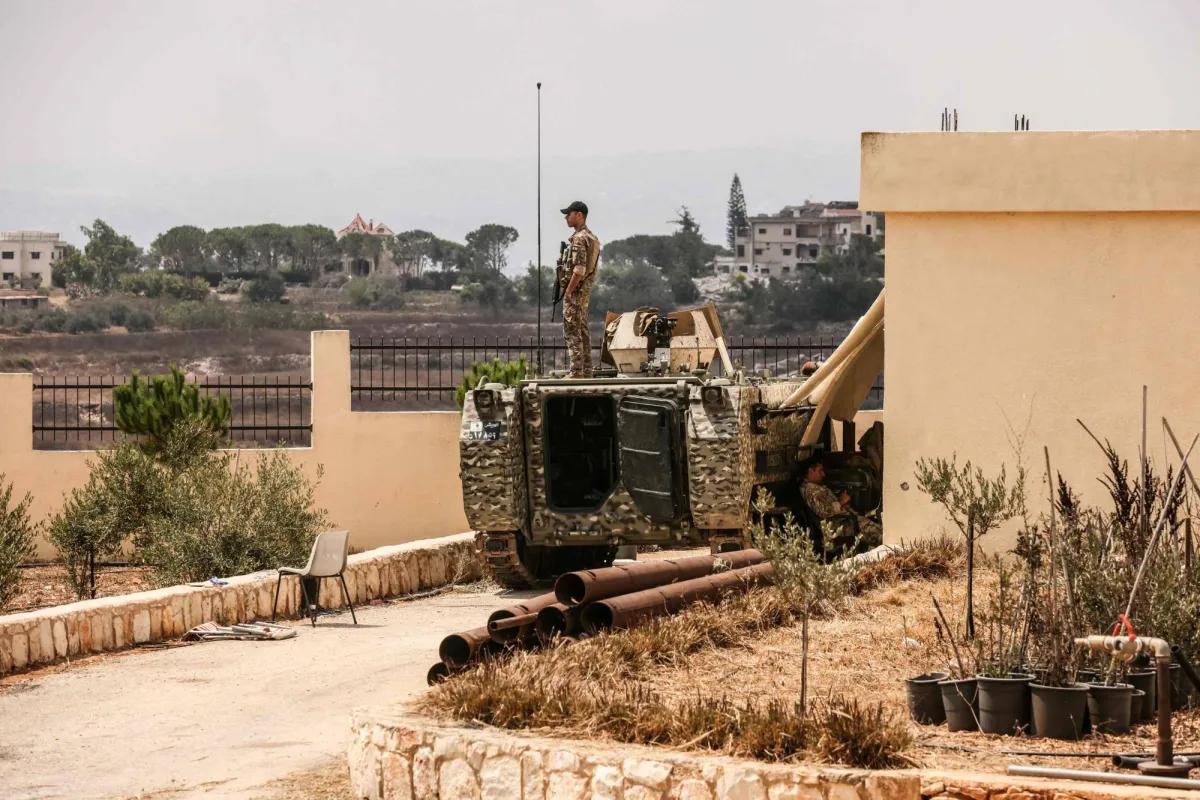
Israeli troops infiltrated the Lebanese army-held village of Zawtar al-Gharbiyah overnight and erected an earthen barrier near the town square, according to Lebanon’s state-run National News Agency (NNA) and the local mayor Abed Ezzeddine. AFP reported that the barrier was at the village’s eastern entrance and blocking the road, while Lebanon’s state media said it was unclear if any Israeli forces remained in the area. Lebanon’s military source told AFP the move violated the framework agreement, and the Lebanese army later reported that three soldiers were wounded, one of them moderately, while dismantling unexploded ordnance in Zawtar al-Gharbiyah on Saturday.
The incident unfolded as Lebanon and Israel completed their seventh round of direct negotiations in Rome on Thursday, with a Lebanese source telling AFP that the Israelis refused to discuss withdrawing from more areas before ensuring Beirut’s military had full control over the pilot zones. The same AFP report said Zawtar al-Gharbiyah was one of two designated “pilot zones” where the Lebanese army was to take over under a US-sponsored framework agreement signed with Israel, and Beirut deployed to the village on July 21 with around 50 families returning since then.

Talks amid strikes
The Jerusalem Post reported that Hezbollah’s attacks on the IDF and Lebanese Armed Forces (LAF) have not derailed talks between Beirut and Jerusalem, even as Israel carried out recent strikes on Hezbollah infrastructure in Lebanon.
Two experts told The Jerusalem Post that negotiations continued after some sessions ended early in response to Israeli strikes, and the talks followed a US-brokered agreement reached in June under which Hezbollah would no longer pose a threat to Israel from southern Lebanon and Israeli forces would completely withdraw.
The Jerusalem Post quoted Colonel (res.) Eran Lerman saying, “I think we are facing a paradoxical situation here,” describing how violence makes it harder for the Lebanese government to carry on a conversation while also requiring Beirut to show it can reduce Hezbollah further.
David Schenker, a Taube senior fellow at The Washington Institute, told The Jerusalem Post that Hezbollah’s actions amounted to “a lot of background noise,” while he said he believed Beirut remained committed to moving forward.
Separately, i24NEWS said Israel-Lebanon talks in Rome ended with no decision on expanding pilot zones and that an Israeli security source said, “We have not yet completed our investigation into the incident, and therefore the full response has not yet been completed.”
What’s at stake
The framework agreement tied phased Israeli withdrawal to Hezbollah’s disarmament and the deployment of the Lebanese army in “pilot zones,” and the barrier incident in Zawtar al-Gharbiyah added pressure to demonstrate control on the ground. Al Jazeera reported that the village had been placed under the control of Lebanon’s army as part of a June agreement, and that the Lebanese army deployed to Zawtar al-Gharbiyah on July 21 with around 50 families returning. Al Jazeera also described Israel escalating shelling and incursions across southern Lebanon alongside negotiations in Rome, including artillery shelling in Mansouri and damage to a bulldozer clearing roads there.
Vatican News said Lebanese President Joseph Aoun told reporters that the seventh round of talks in Rome focused on four points—ceasefire, house demolitions, the border and the return of prisoners, and identifying pilot areas—and that he hoped practical steps would follow. Vatican News added that Lebanon’s health ministry said at least 4,333 people have been killed during the conflict, including 392 women and 253 children, underscoring the human stakes surrounding the stalled implementation of the agreement.