Gaza Genocide · 09 August, 2026 · 3 min read
Iran-Aligned Houthis Attack Saudi Aramco Jazan Refinery, Fire Extinguished
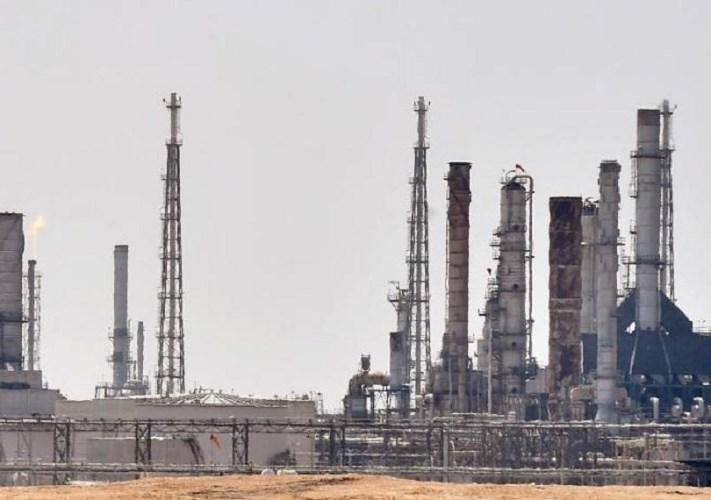
Houthi rebels attacked Aramco's Jazan refinery in southwestern Saudi Arabia with drones. Fire at Jazan refinery extinguished; Saudi energy ministry says no casualties.
Houthis use of drones to target Jazan refinery (how it is framed/attributed).
7 of 8 outlets skipped it: houthis cite Saudi drones breaching Yemen airspace over Hajjah and Saada.
21outlets compared
Same story, two versions
tap a side to read it in full
Reuters
“The Houthis used a drone to target the refinery, military spokesperson Yahya Saree posted on X.”Read the original ↗
One stresses weapon method; the other emphasises post attribution to Saree.
Houthis hit Saudi assets
Yemen’s Iran-aligned Houthis attacked Saudi Aramco’s Jazan refinery on Sunday, using a drone to target the facility two days after Saudi Arabia signed a defence pact with Turkey and Pakistan. The Saudi energy ministry said a fire had broken out at the refinery but was later extinguished with no injuries, while Reuters reported that the Houthis also carried out missile and drone strikes on the Yemeni Red Sea port city of Mocha. RReuters said three Yemeni government sources told it that air defenses were engaging drones launched by the Houthis toward the commercial quay and storage in the port, and it reported that the Yemeni military spokesperson said the attack on the port killed seven people.R
“The Yemeni military spokesperson said the attack on the port killed seven people.”
In Yemen, a medical source in Mokha told AFP that Houthi strikes killed three civilians and eight military personnel, and that a further 32 individuals were wounded, including six civilians. The different casualty figures—seven killed in Reuters’ account of Mocha versus at least 11 killed in the AFP-based reports—underscored how quickly the situation was shifting across Yemen’s Red Sea coast.R

Claims, denials, and demands
Houthi military spokesman Yahya Saree said the group targeted "Saudi enemy" troops and equipment in the area with missiles and drones, while the same reporting described the refinery strike as a response to alleged drone incursions into Yemen. In Saudi Arabia, the energy ministry said the fire at Aramco’s Jazan site was extinguished with no injuries, and it did not give a cause for the blaze. On the Yemen side, the Houthis’ claim of responsibility for the Mocha strikes was paired with the Yemeni transportation ministry’s statement that the attack caused severe damage to the port’s infrastructure.
Beyond Yemen, Iran’s supreme national security council said the Strait of Hormuz would not open until the US corrected its "behaviour," and it demanded the US permanently end the war with Iran and its armed allies in the region. Iran’s foreign minister Abbas Araghchi also said negotiations with the United States "cannot resume" until violations of the memorandum of understanding have ended and the United States has remedied the provisions of the memorandum that it violated.
What’s at stake next
The attacks and the competing claims about casualties came as the Houthis last month declared a maritime blockade of Saudi Arabia in the Red Sea, citing what they said was a Saudi siege on them, an allegation Riyadh denies. Reuters said the port of Mocha is close to the strategic Bab el-Mandeb strait, and it warned that if it were closed, Saudi Arabia would be deprived of an alternative to the Strait of Hormuz. RThe Guardian reported that the Houthis’ refinery strike occurred two days after the kingdom signed a defence pact with Turkey and Pakistan, and it tied the escalation to the US-Israel war on Iran and to Iran’s demands before reopening the strait.
In the same reporting, the Turkish foreign minister Hakan Fidan said the alliance was not directed against Iran or any other country, but rather served as a general pledge to support the security of Turkey, Saudi Arabia and Pakistan. With the sources describing both a Red Sea port attack and a refinery strike, the immediate consequence described across the coverage was heightened disruption risk to shipping and energy infrastructure in the Red Sea and around the Bab al-Mandeb Strait.