Israeli Politics18 October, 20263 min read
Benjamin Netanyahu Tells Fox News He Seeks Total Elimination of Iran Threat
This article is an automated aggregation of coverage from news outlets. Our editorials offer in-depth analysis curated by the NewsCord team.
Netanyahu aims for the total elimination of the Iranian threat in the final two years of Trump’s term. Iran is developing intercontinental ballistic missiles and nuclear weapons aimed at the United States.
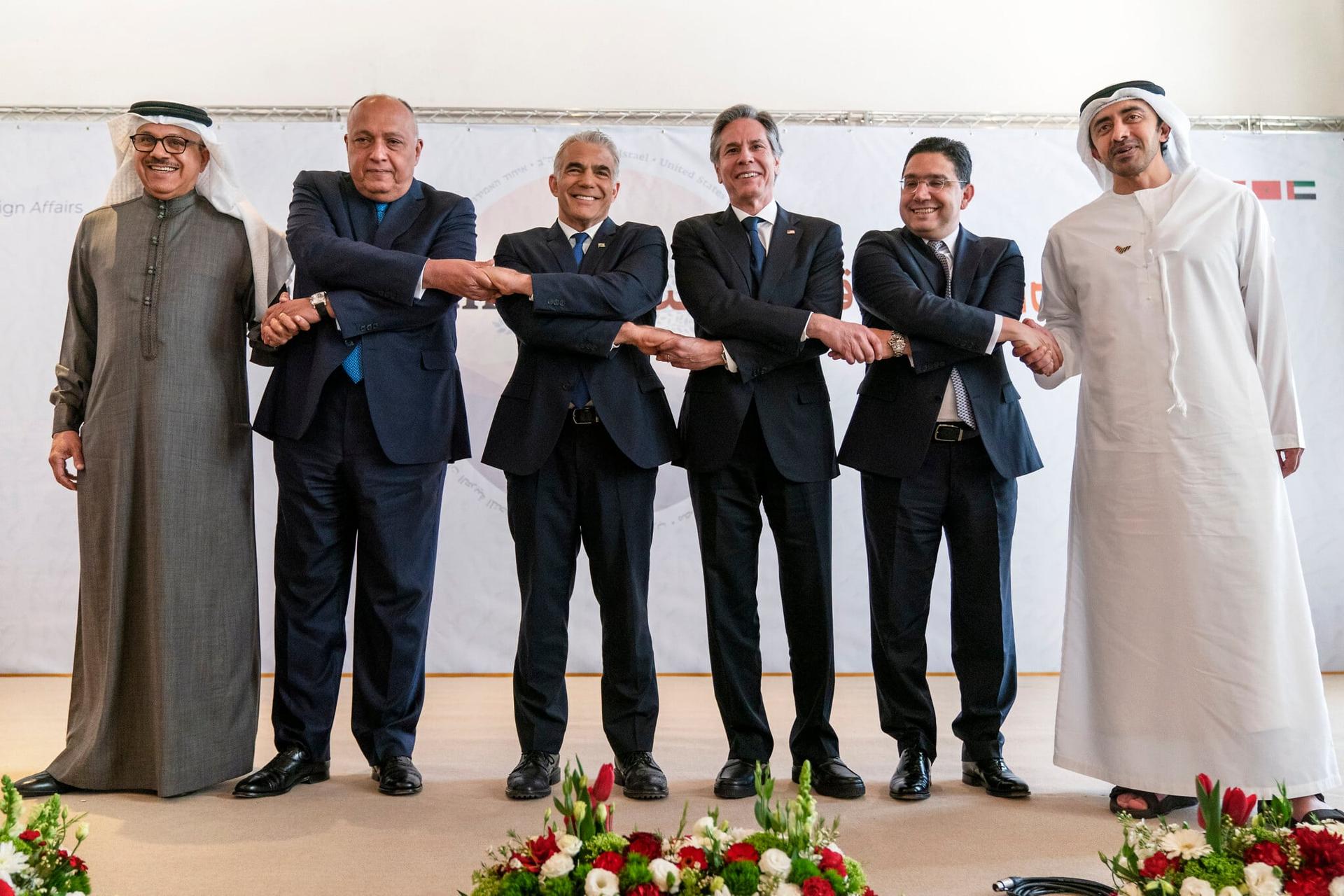
Netanyahu sets priorities
Prime Minister Benjamin Netanyahu told FOX News that his main goal in the last two years of President Donald Trump’s term is the total elimination of what he described as the Iranian threat, followed by expanding the Abraham Accords and concluding new peace agreements in the region. Netanyahu said his country and Washington have come a long way toward that goal thanks to what he described as Trump’s wise leadership, through military pressure and an economic blockade that he described as extremely effective.
Netanyahu warned that Iran is developing intercontinental ballistic missiles to strike American territory and seeks to supply them with nuclear warheads, adding that the Iranian regime does not assess profit and loss rationally. Netanyahu affirmed that he would not permit Iran to possess a nuclear weapon, and he said Trump would not permit that either, noting that the American president told him during their meeting at Mar-a-Lago before the last election, "You must prevent Iran from obtaining the nuclear bomb."

Satan labels and Gaza
Netanyahu accused the Iranian regime of seeking to destroy the United States and Israel, and he described Washington as the "great Satan" and Israel as the "lesser Satan" as voiced by Iranian spokespersons, in his description. Netanyahu said he would not permit Iran to possess a nuclear weapon, and he framed the Iranian regime as a "malevolent power" operating alongside what he called the "Three Hs": Hamas, Hezbollah, and the Houthis. Netanyahu responded to accusations by the Israeli occupation army of committing genocide in Gaza by asking, "Is there a state that commits genocide that sends food and medicine to its enemy?"
Netanyahu also said, "We do not live on stolen land; this is our historical homeland and we are the indigenous people of this land." The Al-Jazeera Net account added that Israel has waged a devastating war and genocide in the Gaza Strip since October 7, 2023, causing hundreds of thousands of deaths and injuries, and almost complete destruction of the strip’s infrastructure.
Regional stakes after elections
The Times of Israel said Arab capitals are assessing whether the 26th Knesset could usher in a new chapter in Israeli leadership and policy or keep in place those currently in power, and it said the elections are the first since the Hamas-led invasion and massacre on October 7, 2023. The Times of Israel reported that regional leaders expect the right-wing to center-left camps best positioned to unseat Prime Minister Benjamin Netanyahu to remain hawkish on Iran, opposed to Palestinian statehood, and committed to the far more aggressive security posture Israel has adopted since October 7. Joshua Krasna, director of the Forum for Regional Cooperation at Tel Aviv University’s Moshe Dayan Center, said Arab states would be happy to see a "change in branding" in Israel’s government, even as the article described broad consensus around preserving Israel’s proactive doctrine.
Mohammad Baharoon, director general of the Dubai Public Policy Research Center, expressed skepticism that the Gulf would see any significant shift from a post-Netanyahu government, and he said "Netanyahu does not operate alone, not in a vacuum." The Times of Israel said Arab states see room for meaningful movement on issues it does not regard as central to Israel’s postwar security doctrine, including Gaza’s rehabilitation, Jewish violence in the West Bank, Syria’s stability, Temple Mount activity, and greater sensitivity to regional concerns.