Technology and Scienceupdated 1h ago2 min read
Negar Ali-Mahriyeh Adham Says Broad Internet Restrictions Expose Children to Malware
This article is an automated aggregation of coverage from news outlets. Our editorials offer in-depth analysis curated by the NewsCord team.
Filtering policies increase malware risk and expose children to inappropriate advertising. Adham says protections must address AI risks and parental sharing of children's images.

4 outlets told this the same way.
Outlets did split on Replit CEO Amjad Masad Says Company Stops Working With Anthropic →
Filtering and VPN risks
Negar Ali-Mahriyeh Adham, a researcher in the field of the Internet and cyberspace, said protecting children should not be reduced to broad restrictions on Internet access. Adham argued that stable Internet access is part of children’s ability to benefit from education, and she said broad limitations without regard to the different needs of age groups can disrupt access to educational resources and digital services.
“Protecting children should not be reduced to broad restrictions on Internet access.”
Adham said many free VPNs may contain malware or expose users to inappropriate advertisements and scams, and she warned that a child forced to use a VPN to access a normal Internet service may face risks less likely in safe, age-appropriate access conditions. Adham added that using a VPN can increase the likelihood of children encountering inappropriate advertisements, deceptive messages, and attempts to steal information, and she said a policy designed to protect the child may push them toward new dangers in accessing online services.
Policy, parents, and media
Adham said filtering can limit the use of some children-specific services, safety settings, and parental-control tools, and she said blocking access to certain services and supportive tools makes implementing protective measures harder. Adham emphasized that parents should be able to manage Internet use according to the child’s age, set age-based restrictions, and reduce access to inappropriate content.
Adham described how the normalization of VPN use can shape children’s behavior within the family, saying that when circumvention tools become widespread in a large portion of society, children observe this behavior in the family environment. Adham said families and schools face contradictions when children continuously witness rule-bypassing in their surroundings, and she stressed that safety-related restrictions must be age- and condition-appropriate and should not be used as a pretext to restrict all users’ access to digital services.

Alexandria campaign and bills
The National Telecommunications Regulatory Authority launched an extensive awareness campaign in Alexandria Governorate from October 11 to 18, 2026, aimed at spreading digital safety culture among children and youths and informing families about services that help protect them from inappropriate content and electronic risks.
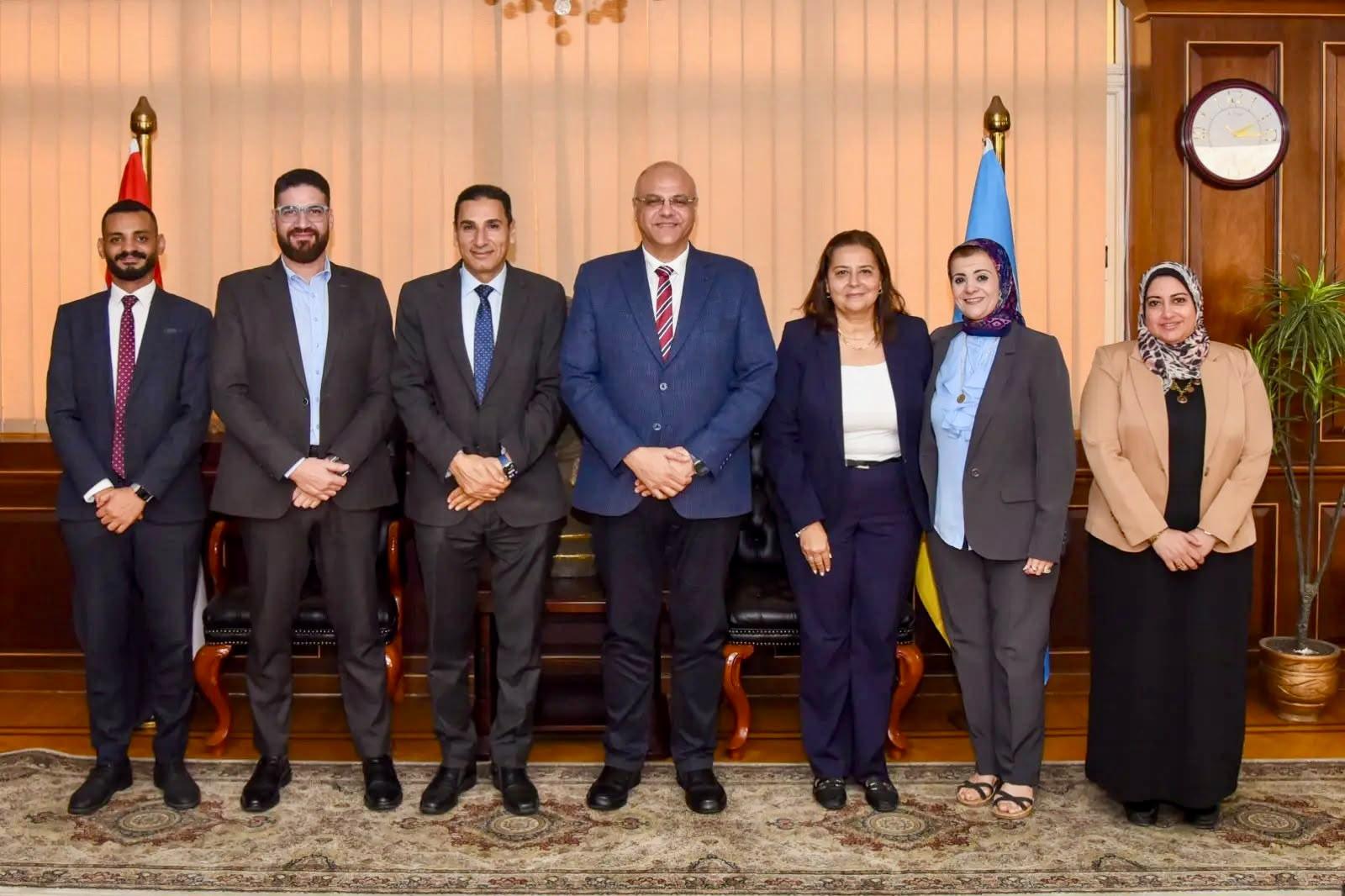
Engineer Mohamed Ibrahim, the Executive Deputy for Community Engagement and the Authority’s Official Spokesman, led a delegation that met with Engineer Ayman Attia, Governor of Alexandria, to discuss efforts to raise digital awareness and encourage responsible use of telecommunications and information technology services.
The campaign introduced the Itmen service and “Itmen on the Other,” with the Itmen service enabling Safe Browsing and Safe Search and blocking sites that contain malicious software, viruses, or electronic threats, while Itmen on the Other added the ability to block social media sites and apps.
In Michigan, Sen. Stephanie Chang (D-Detroit) urged action on the 'Kids Over Clicks' online safety bills, and she said, "It is our responsibility as lawmakers to do what we can to increase protections for Michigan's children," as advocates pressed the state House to take up Senate-passed measures.