Technology and Scienceupdated 2h ago3 min read
Ritchie Torres Proposes Power To The Players Act To Ensure Gamers Own Digital Games
This article is an automated aggregation of coverage from news outlets. Our editorials offer in-depth analysis curated by the NewsCord team.
Rep. Ritchie Torres to introduce the Power To The Players Act protecting game ownership. Bill would have FTC regulate purchases to grant ownership, allow resale and require ongoing access.

Torres targets digital licenses
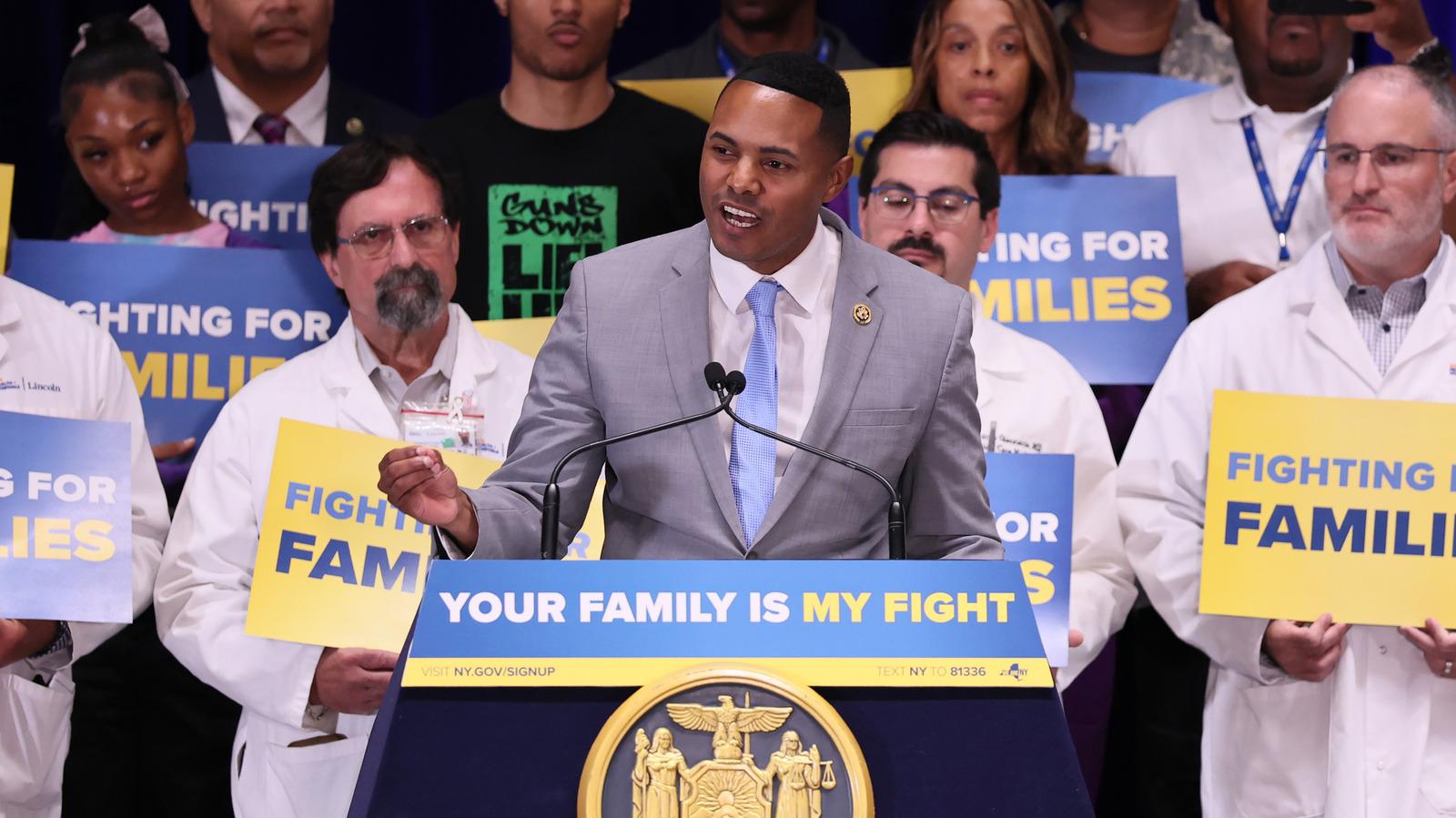
US Representative Ritchie Torres proposed the Power to Players Act to ensure that “buying a video game would give the consumer ownership of the game rather than a license to play it,” and he said the bill would direct the FTC to take action to prevent outcomes like that in the future. Torres cited NBA 2K25 as an example, saying the game launched on September 6, 2025, and is scheduled to become unplayable on December 31 due to server shutdowns. Torres framed the proposal as a consumer-rights shift, telling Kotaku, “I think there should be a simple rule: if you pay for it, you own it,” and he argued the bill would be a “restoration to the historical norm.”
Torres also tied the effort to a broader movement, with some consumers protesting Sony’s announcement that it plans to discontinue releases of PlayStation games on physical media. Sony’s financial earnings report said digital downloads account for 82 percent of full-game unit sales across PlayStation 4 and PlayStation 5 for the covered fiscal year, leaving less than 20 percent in physical media form.
NBA 2K25 timeline and offline
Torres’s bill would direct the Federal Trade Commission to establish regulations treating digital game purchases as durable ownership rights rather than potentially revocable licenses, and it would require games with online components to offer a functional offline mode once servers shut down. NBA 2K25 launched in September 2024 and is scheduled for delisting on October 30, 2026, with online services including MyCAREER, MyTEAM, multiplayer, online leagues, and virtual-currency features set to end on January 1, 2027. Offline modes such as Play Now and MyNBA will reportedly remain available for existing owners after the shutdown, even as “the most progression-focused and commercially prominent parts of the game will disappear.”
Torres said enforcing the protections would be a “restoration to the historical norm” that existed before games were primarily sold digitally. The Power to the Players Act had not been introduced in Congress yet, and the FTC’s ability to regulate could face legal limits after the Supreme Court’s 2024 decision overturning Chevron deference.
Legal hurdles and wider stakes
Torres’s proposal faces obstacles because it had not been formally introduced in Congress at the time of reporting, and no cosponsors were confirmed in available reporting. Any introduced bill would have to proceed through committee before reaching a floor vote, and it described legal uncertainty after the Supreme Court’s 2024 decision overturning Chevron deference, which left federal agencies including the FTC with less latitude to interpret ambiguous statutory language. Torres could see the bill die in committee, and Engadget asked Torres to share a draft of the bill and comment on the possibility of the FTC being blocked by the courts.
Torres published a statement on the bill that called a game taken away when a company pulls the plug “a rental disguised as a sale,” and it argued that families “save up to buy these games.” Tom’s Hardware said the bill would require games with online functionality to provide an offline mode before the servers supporting them are shut down, and it described the Stop Killing Games movement as pushing for games to remain functional after discontinuation.