Technology and Scienceupdated 55m ago2 min read
Blue Origin Adds Two New Glenn Launch Pads at Cape Canaveral for Weekly Flights
This article is an automated aggregation of coverage from news outlets. Our editorials offer in-depth analysis curated by the NewsCord team.
Blue Origin adds two new New Glenn launch pads at Cape Canaveral. Aims for up to 150 yearly launches, with weekly cadence by decade's end.
New Glenn ramp-up
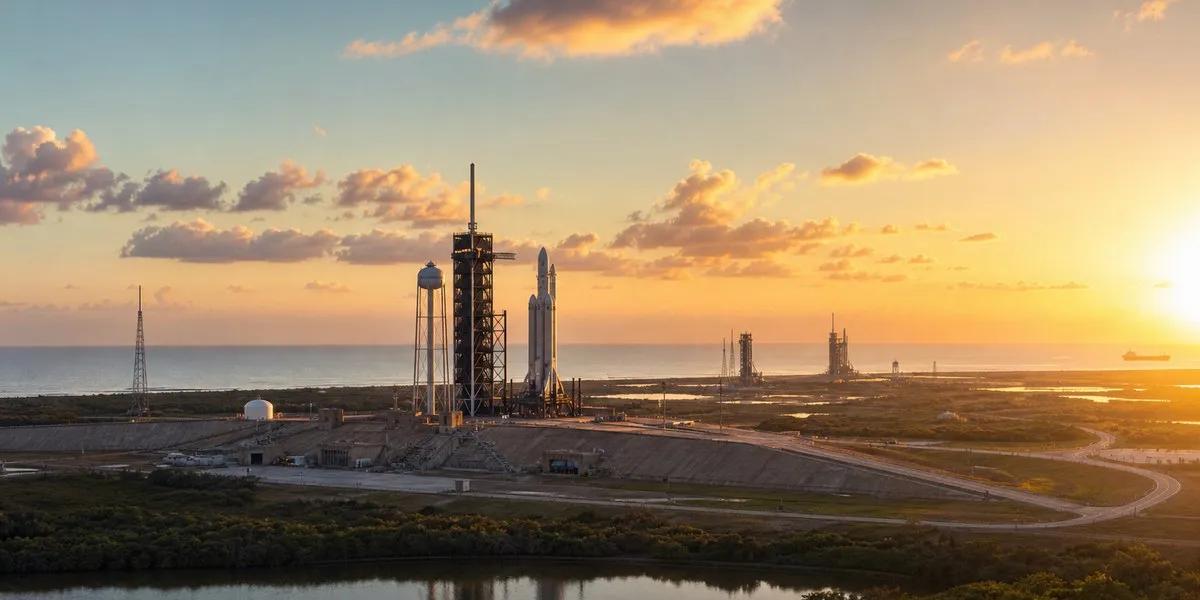
Blue Origin announced an expansion of its Florida launch facilities with the intent of eventually flying 150 rockets a year from there, and the company said it would add two additional launch pads for the New Glenn rocket at Cape Canaveral. Ian Richardson, Blue Origin’s senior vice president of operations, said the investments are centered on one goal: "building the capacity to support more missions, more reliably, and more efficiently," and he added that the infrastructure is designed to support multiple flights per week by the end of the decade.
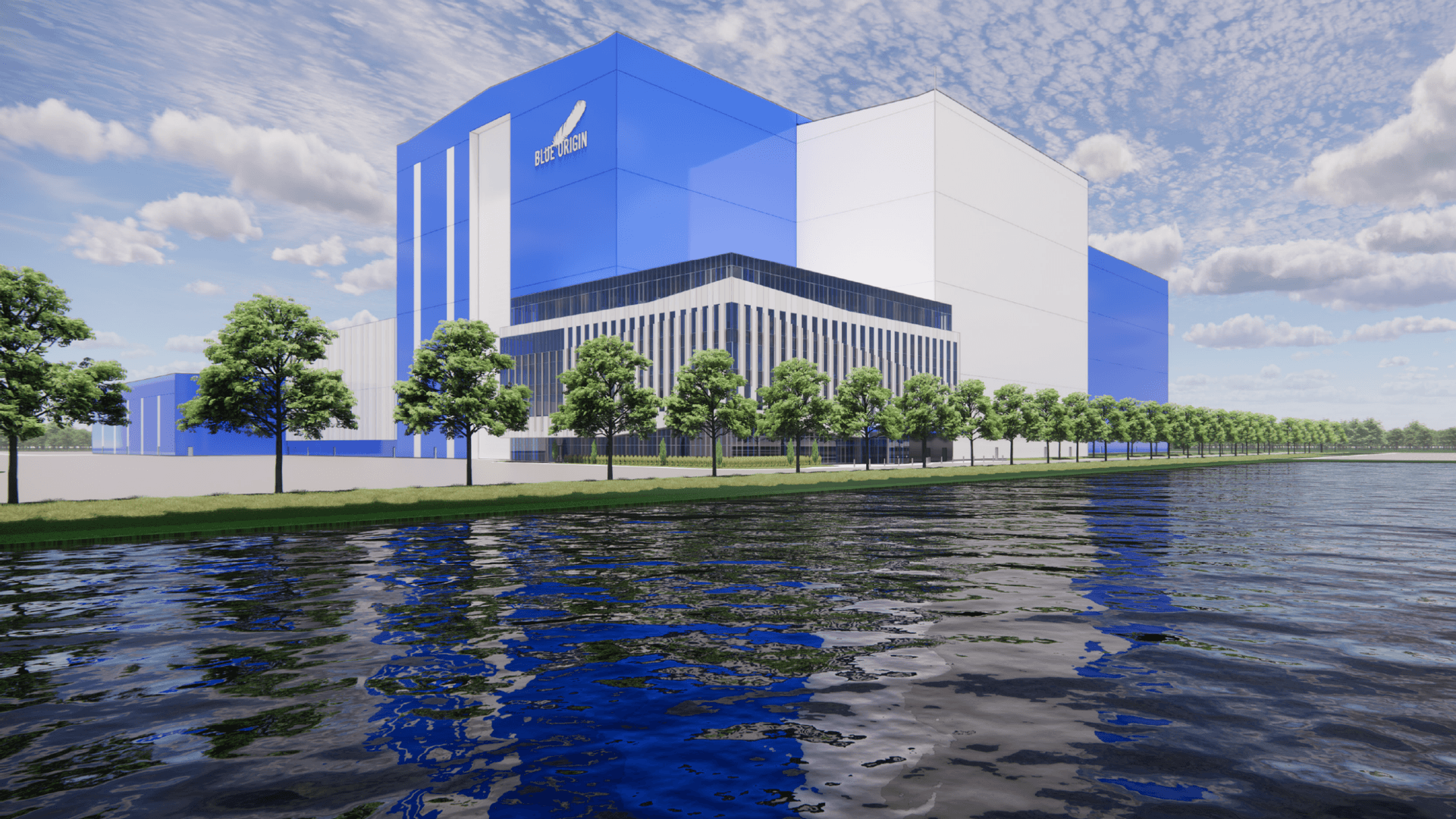
Blue Origin also said it would invest in a new manufacturing facility that will produce up to 150 upper stages for a larger variant of the New Glenn rocket, and the company plans to procure two additional landing ships to catch and return the first stage. Blue Origin said it currently has one landing ship named Jacklyn, and the company plans to add a new customer integration facility built in conjunction with the US Space Force that will feature four payload bays to process multiple missions at the same time.
After May explosion
Blue Origin’s infrastructure push comes after a May problem with one of the vehicle's BE-4 engines triggered a catastrophic failure that destroyed both the rocket and its only launch site, Launch Complex 36A at Cape Canaveral. The New Glenn explosion in May badly damaged the company's Florida launchpad, where the 30-storey-tall (322 feet) rocket had lifted off three times since its 2025 debut, and New Glenn is expected to return to flight early next year.
The explosion occurred days before a planned mission carrying Amazon satellites and badly damaged the pad where the 322-foot rocket had lifted off just three times since its 2025 debut. Blue Origin is targeting a return to flight in early 2027 and is completing work on the adjacent Launch Complex 36B, which will support the larger 9x4 variant.

Competition and cadence goals
Blue Origin’s plan aims to close a widening gap with Elon Musk's SpaceX, and SpaceX had been pulling back from the commercial launch market with its Falcon 9 and Falcon Heavy vehicles.
Blue Origin is targeting multiple flights per week of its New Glenn rocket by the end of the decade as it spends billions of dollars on infrastructure needed to match rival SpaceX's launch dominance.
Jeff Bezos said Blue Origin will develop four launch pads and Bezos set a sequence of goals starting with "Our goal is to fly every day," then "we want to fly every hour," and then "we want to fly every minute."
The Titusville-Cocoa Airport Authority approved a contract on Thursday, Oct. 15, for Blue Origin to lease 509,585 square feet of hangar, apron and grassy space at Space Coast Regional Airport, and Director of Airports Kevin Daugherty told board members "they'll start mobilizing tomorrow."