Technology and Scienceupdated 1h ago2 min read
Rocket Lab Delays Neutron First Flight to 2027 After Carbon Composite Dome Voids Found
This article is an automated aggregation of coverage from news outlets. Our editorials offer in-depth analysis curated by the NewsCord team.
Neutron first flight delayed to 2027 due to carbon composite manufacturing flaw. Rocket Lab shares fell after-hours following the delay news.

Neutron slips to 2027
Rocket Lab pushed its Neutron rocket’s first flight into 2027 after manufacturing voids were found within the carbon composite layers of the propellant dome, and Chief Executive Officer Peter Beck said the issue would reduce margin and wouldn’t necessarily cause a failure in flight. Rocket Lab said its cryogenic (cryo) and hydrostatic test campaigns won’t finish until Q1 2027, and the company’s earlier end-of-year pad target has been overtaken by the revised schedule. Rocket Lab’s stock fell as the delay landed, with 24/7 Wall St. reporting Rocket Lab stock at $52.85, down 11% in morning trading after declining 8% the prior day to $59.18.
“Neutron’s first flight schedule has changed. Neutron is being developed on an extremely ambitious timeline.”
Sir Peter Beck told viewers the all-new Neutron would now launch in 2027, and observers suggested fixing the problem and subsequent testing would likely mean a 6-month delay. Ars Technica reported that Rocket Lab’s announcement confirmed a manufacturing defect in the dome sections at the ends of Neutron’s first stage propellant tanks, with Beck identifying the issue as the reason for the latest schedule slip.
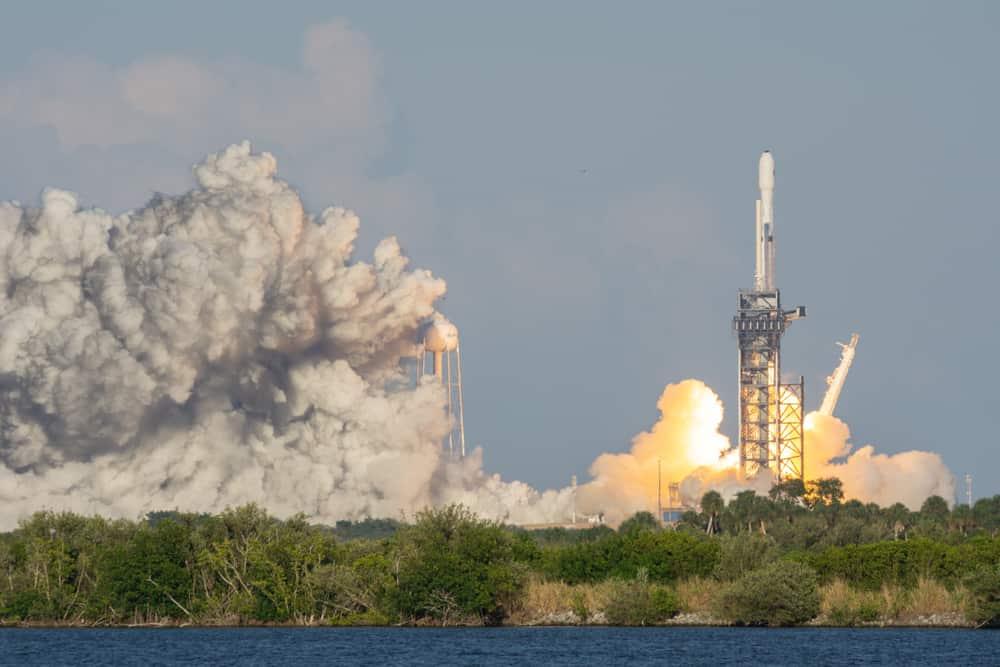
Beck explains the dome
Peter Beck told viewers that Rocket Lab found voids within the carbon composite layers of the propellant dome during manufacturing, and he said the company’s principle was not to move to the next stage until it had an adequate safety margin. Beck said, “Recently, while inspecting a newly cured forward dome, we found some voids within the carbon composite layers,” and he added that the problem had now been fixed. Beck also framed the decision as a deliberate trade-off, telling Advanced Television, “We won’t rush to the launch pad with unnecessary risk,” while the same briefing included the line, “Possible success isn’t our standard.”
Rocket Lab said the problem is solved, and it pointed to testing as the critical item before the cryo and hydrostatic campaigns finish in Q1 2027. BigGo Finance reported that Rocket Lab produced a replacement component and identified corrective measures, while the new hardware still had to go through additional fabrication and inspection.
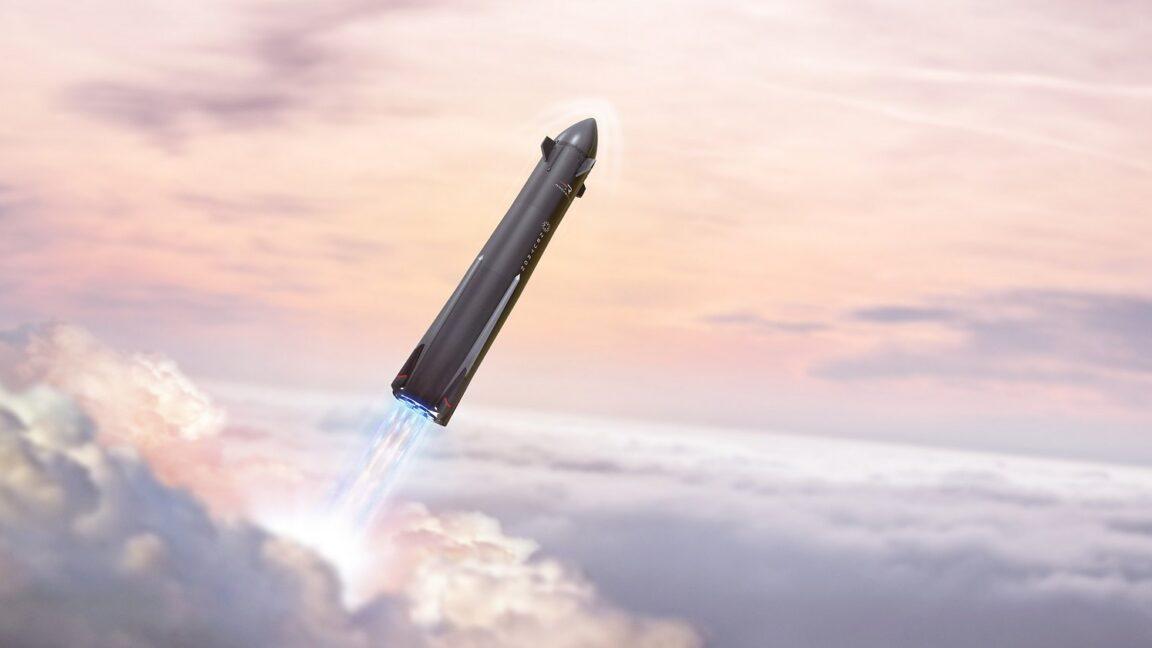
What the delay changes
Rocket Lab’s schedule slip matters to its revenue plans because Neutron is central to moving beyond Electron small-satellite launches, and 24/7 Wall St. said Neutron’s schedule affects Rocket Lab’s future revenue alone. Rocket Lab’s backlog stood at $2.36 billion at the end of Q2 2026, up 137% year over year, and Beck had told investors Neutron demand “not a concern.” Neutron is designed as a reusable medium-lift vehicle with a target capacity of about 13,000 kilograms to low Earth orbit when its first stage is recovered for reuse.
Rocket Lab said the replacement dome must pass ultrasonic testing and that assembly and testing of the complete first stage, including hydrostatic and cryogenic test campaigns, are expected during the first quarter. Rocket Lab’s Q3 2026 report would show whether its revenue guidance of $250 million to $265 million holds while Neutron spending stays heavy, and it tied the next move to whether the cryo and hydrostatic campaigns finish inside the Q1 2027 window Beck named.