Technology and Scienceupdated 47m ago3 min read
Frank Scott Jr. Says Three Little Rock Officers Misused License Plate Reader System
This article is an automated aggregation of coverage from news outlets. Our editorials offer in-depth analysis curated by the NewsCord team.
Three Little Rock officers relieved of duty after misusing Flock license plate reader. An audit found improper searches through the license plate reader system.

7 outlets told this the same way.
Little Rock audits misuse
Little Rock Mayor Frank Scott Jr. said an audit of the Little Rock Police Department’s license plate reader system found that three officers had misused the system and that the officers have been relieved of duty with pay during an ongoing investigation. The Little Rock Police Department press release said its Automated Liscense Plate Reader camera system is strictly for law enforcement purposes, including recovering stolen vehicles, locating missing peopole and solving violent crimes. The department said LRPD implemented advanced auditing software in the second quarter of 2026 that automatically flags unusual search activity for supervisory review.
The department said a quarterly audit identified activity by one officer that prompted further review, and it determined the searches were unauthorized and personal in nature, leading to an administrative investigation. Scott said Interim Chief Michael Miller is implementing monthly audits instead of quarterly, and he said the department recognizes that misuse of technology compromises public trust.
Flock CEO draws a line
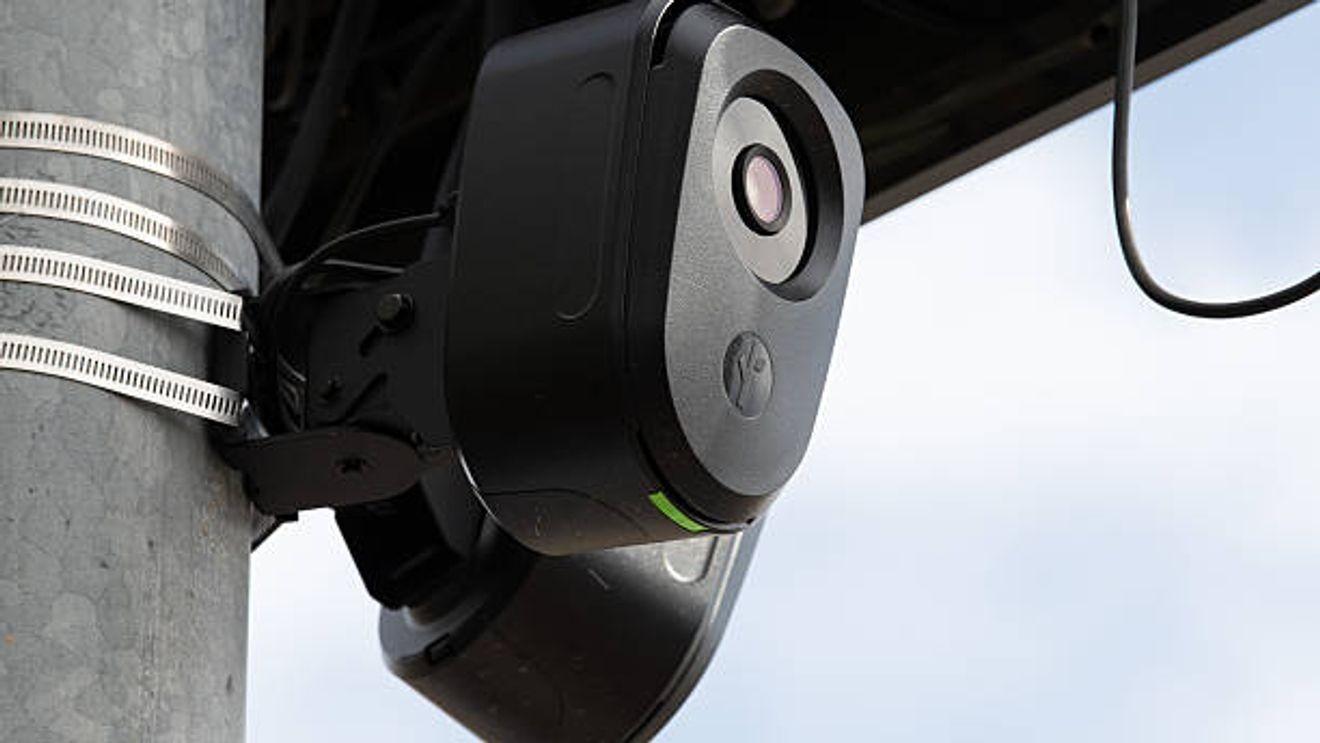
Flock CEO Garrett Langley told TechCrunch editor-in-chief Connie Loizos at the Disrupt 2026 conference in San Francisco that his company has not ended any contracts with its customers over abuse of its products. Langley said, "If a customer knowingly broke the law, we would fire them immediately," and he added that the company has not fired any customers but that it was "not off the table" in cases involving "pretty drastic law-abiding issue." Langley argued that the company should not take away its product from a community that might need it in its efforts to fight crime.
TechCrunch said Flock has more than 100,000 cameras around the United States that allow local police departments and federal agencies to track the whereabouts of vehicle license plates and people as they pass by. Ashley Ortiz, an organizer with local progressive activist group The Wolves, told TechCrunch that she wants local lawmakers to take constituents’ concerns about Flock more seriously and asked, "What about AI-powered mass surveillance should be making us feel safe?"
Other cities tighten rules
Sharonville Police Chief Jim Nesbit said a Sharonville Police officer, Walter Cordes, was indicted after admitting to using automated license plate reader data to track someone he knew. Nesbit said Cordes used the Flock Camera system 29 times between December 2024 and last April for personal reasons, and Nesbit said the department instituted new policies and began auditing use of law enforcement databases, including Flock cameras. Hamilton County Prosecutor Connie Pillich said, "We believe effective law enforcement and meaningful accountability go hand in hand, and that transparency and appropriate safeguards are essential to maintaining the public's confidence in our justice system," and she said she would like to see other departments perform similar system audits.
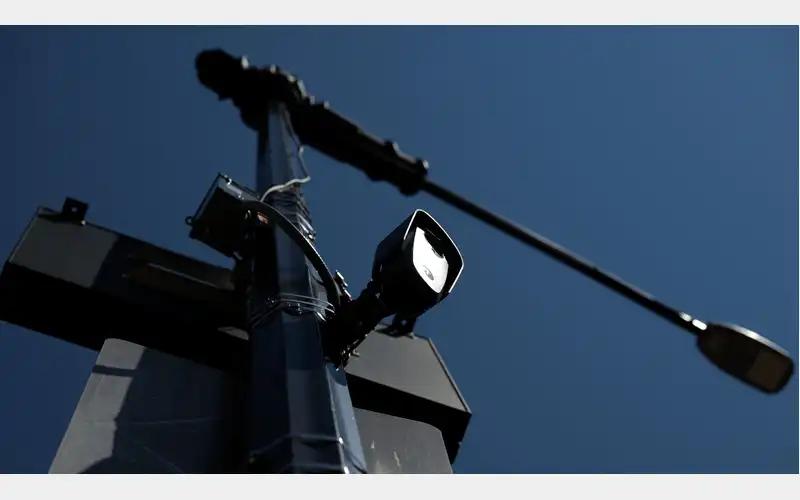
The Nevada Independent reported that the City of Reno will not renew its contract with Flock Safety cameras, and City Manager Jackie Bryant told the mayor and city council that the city would not maintain a contract with a company that deploys drones at places where crime has been reported. Reno Police Chief Corey Solferino said, "Our decision not to renew these agreements does not alter our commitment to technology as an essential element for the future of public safety," and he said future decisions would focus on enforceable guarantees regarding privacy, data sharing, transparency, and accountability.