Technology and Scienceupdated 1h ago3 min read
Colossal Biosciences Unveils GenoMorph AI To Identify Dodo Gene-Editing Targets
This article is an automated aggregation of coverage from news outlets. Our editorials offer in-depth analysis curated by the NewsCord team.
GenoMorph identifies about 2,300 candidate gene targets for dodo revival GenoMorph uses 3D morphology, comparative genomics, and developmental biology to select targets

GenoMorph targets identified
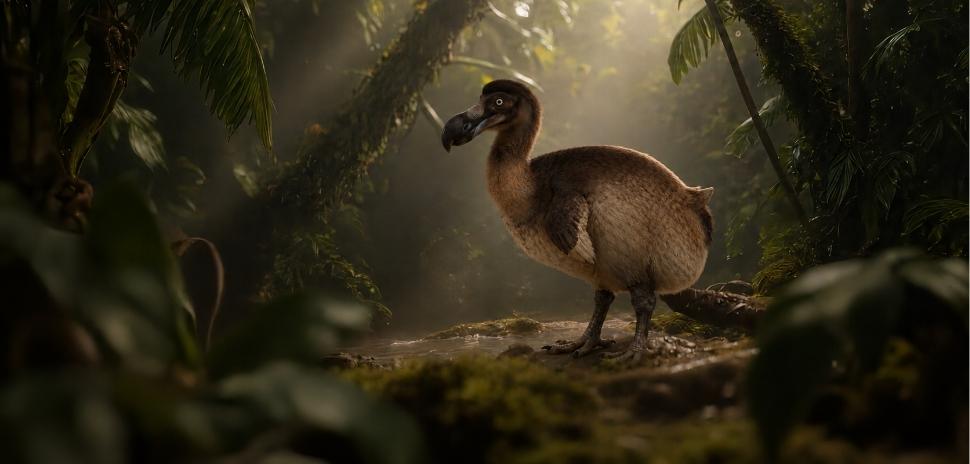
Colossal Biosciences unveiled GenoMorph, an AI platform it said it is using to identify gene-editing targets for reviving the extinct dodo bird. Ben Lamm, Colossal’s co-founder and CEO, said in a statement, "De-extinction is as much a data problem as a biology problem," and the company said GenoMorph identified an estimated 2,300 candidate genetic elements that may determine beak size and shape. Beth Shapiro, Colossal’s chief science officer, said the dodo’s defining anatomy emerged from "networks of regulatory instructions that are difficult to interpret from ancient DNA alone," and she said the approach turned out to be comparative.
Colossal said it built an avian regulatory atlas using hundreds of samples from chickens, quail, ducks and pigeons, covering six stages of embryonic development and tracking three areas of the face. Colossal said its analysis identified potential regulatory DNA elements, including more than 650 for beak size and almost 1,700 for beak thickness and breadth, and it said the elements were entering validation studies.
From prediction to validation
Colossal said GenoMorph combines comparative genomics, developmental biology and high-resolution 3D morphology to predict which regulatory elements may be active during development and identify those most strongly associated with differences in physical form. Anna Keyte, Colossal’s avian species director, said in a statement, "You cannot train AI to answer a precise developmental question using just generic data," and she said the team needed to capture how regulatory activity changes across species, developmental stages and different regions of the face. TechCrunch said the company is using GenoMorph as part of its effort to bring back the dodo bird, for which there are limited genomes to work with, and it said the platform can identify genes that could be edited in de-extinction projects with limited gene data.
Colossal said elements confirmed to influence craniofacial development may then be considered for precision editing in the Nicobar pigeon, the dodo’s closest living relative. Colossal said it is in the final stages of analyzing the dodo genome, now filled to 95%, and it did not announce a timeframe for hatching a dodo.
Pipeline and a Mauritius goal
Colossal said it is expanding its Texas colony of Nicobar pigeons, and it said 36 birds now inhabit the colony. Colossal said it used Nicobar eggs from the latest breeding season to derive primordial germ cells, or PGCs, which eventually develop into sperm and eggs, and it said PGCs offer an avenue for editing genomes so future generations of birds can carry certain dodo traits. Ben Lamm told Reuters that "The big hurdles ahead are proving which genetic changes really matter," and he said the company also faces making many of those edits in a bird and passing them to the next generation.
Colossal said it is working with Mauritian scientists, conservation groups and the Mauritius government on what bringing the dodo back to its native land might look like, and it said no release sites will be chosen until ecological work and community consultation are finalized. Reuters said Colossal is pursuing gene-editing to bring dodo traits into the cells of its closest living relative, the Nicobar pigeon, as the company seeks to return the dodo to Mauritius, where humans drove it to extinction in the 17th century.