Technology and Science12 October, 20262 min read
WindBorne Systems Signs Up To $49 Million Contract With U.S. Air Force For Balloon Data
This article is an automated aggregation of coverage from news outlets. Our editorials offer in-depth analysis curated by the NewsCord team.
U.S. Air Force contract with WindBorne valued up to about $50 million for balloon data. WindBorne operates about 700 autonomous meteorological balloons worldwide.
4 outlets told this the same way.
Air Force backs balloon data
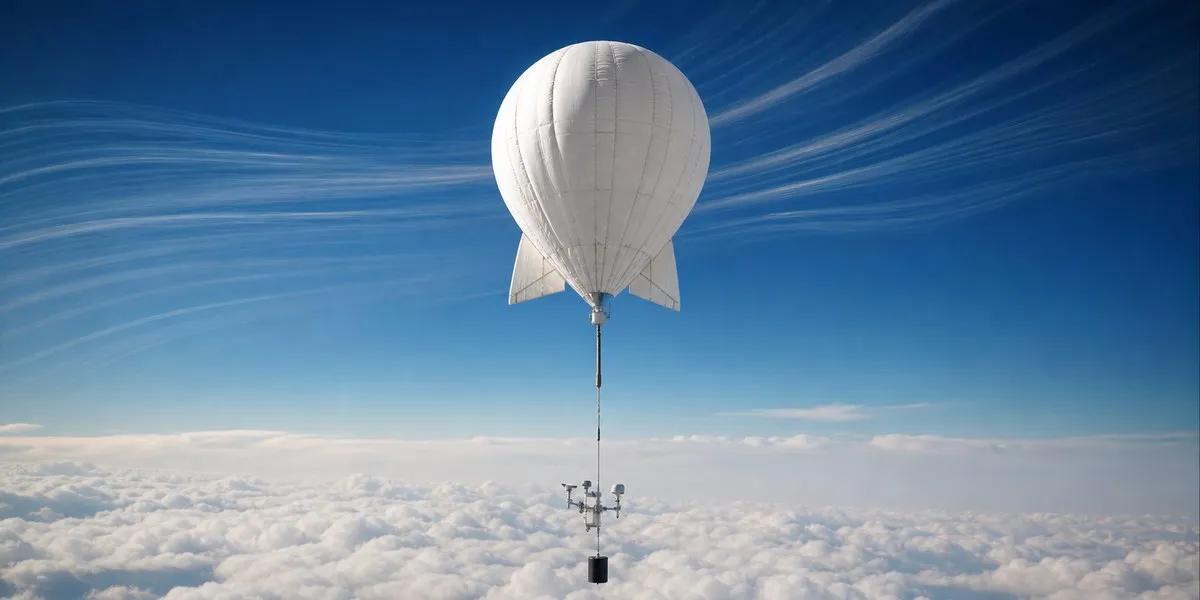
WindBorne Systems signed a contract with the United States Air Force worth up to $49 million to purchase data collected by its fleet of autonomous meteorological balloons. WindBorne operates approximately 700 meteorological balloons worldwide that collect atmospheric sensor readings, and the company sells those data to customers and integrates them into its AI-based meteorological forecasting model. WindBorne said the Air Force will pay only as it needs data, with the ability to place orders for specific regions and times, and the contract’s maximum value is $49 million.
Andrey Sushko told TechCrunch, "This is largely a vehicle through which continued growth of the constellation can be supported, as well as some work on research and development to continue to improve the hardware and performance of the balloons." John Dean told TechCrunch in August that WindBorne raised a $37 million Series B round to continue scaling its business.

How the balloons steer
WindBorne controls its balloons by adjusting their altitude, bleeding air, or dropping sand carried as ballast to send the vehicles into winds that take them where they need to go. WindBorne said it became the first organization to send an unpowered flight system to collect data in the eye of a typhoon in August.
Andrey Sushko said, "That’s a pretty novel step, and the two ingredients for that are one, having good wind and weather models, and knowing how to navigate them; and two, having a large enough constellation that you have balloons in the right places." WindBorne also released WeatherMesh 6 earlier this summer, and the company said it provides more accurate forecasts than the traditional model run by the European Centre for Medium-Range Weather Forecasts (ECMWF).

AI forecasting and PR tools
Honeyjar, a startup that uses artificial intelligence to improve the public relations process, will participate in TechCrunch Disrupt as part of Startup Battlefield 200. Michelle Masek and Nadia Jamshidi said Honeyjar automates tasks including drafting announcements, finding the most suitable journalists to contact, and identifying opportunities to speak publicly.
Jamshidi said Honeyjar can locate reporters, create media lists, scan news and social media, track coverage, and detect opportunities, and she said, "The bigger idea is to bring together the entire communications workflow: signals, context, strategy, judgment, timing, and execution." Masek said Honeyjar is not meant to replace public relations professionals, and she said, "We never want a world where the human is removed from the loop."