Britain21 October, 20252 min read
Boris Johnson Admits School Closures During Covid Caused Children to Pay a Huge Price
This article is an automated aggregation of coverage from news outlets. Our editorials offer in-depth analysis curated by the NewsCord team.
Boris Johnson acknowledged children suffered significant harm from school closures during Covid. The Department for Education actively prepared for potential mass school closures in early 2020.
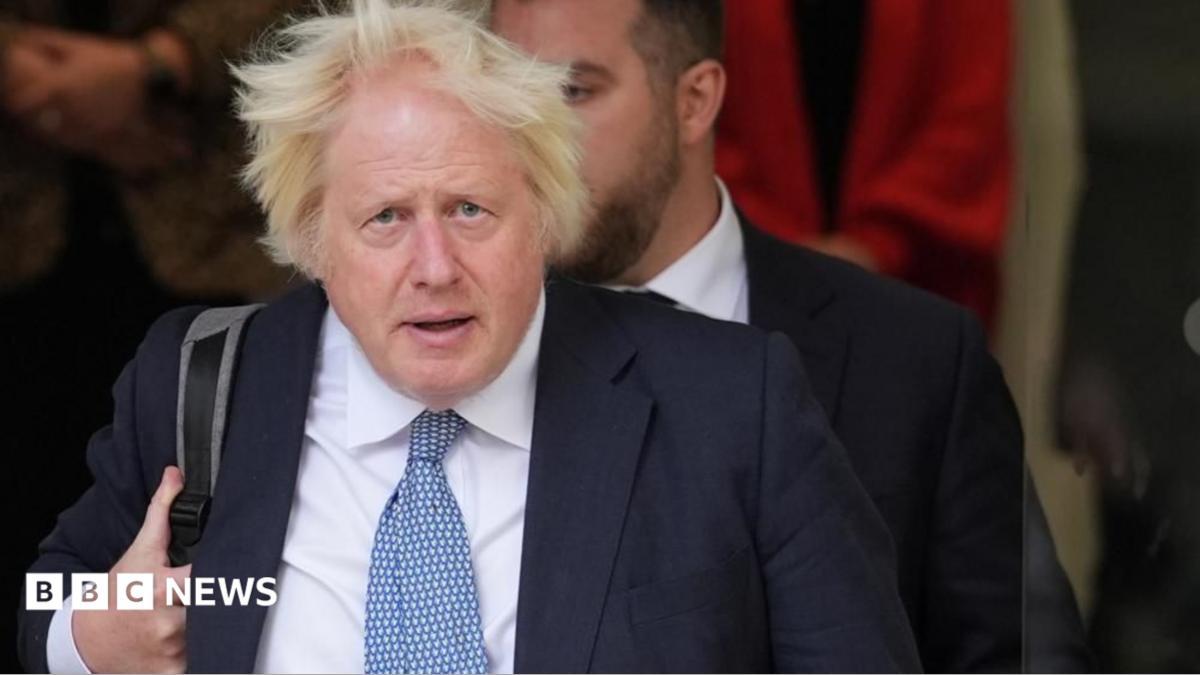
8 outlets told this the same way.
UK Covid-19 School Closures
Former UK Prime Minister Boris Johnson told the UK Covid-19 Inquiry that children paid “a huge, huge price to protect the rest of society.” He called school closures “an awful, awful thing.” He paired that regret with a defense of the government’s broader decision‑making, as coverage notes the inquiry is probing how policies affected children and education.
“The inquiry continues to investigate the impact of pandemic policies on children and education, aiming to clarify the challenges of balancing public health and social consequences during the crisis.”
Local reporting emphasizes Johnson’s insistence that planning for possible closures had been underway before March 2020, even as officials were overwhelmed by fast‑moving events. Together, the accounts frame a picture of remorse over harms to children, alongside claims that preparations existed and decisions were taken amid rapid change.

Government School Closure Planning
A major fault line at the inquiry is whether the government adequately planned for school closures. Johnson denies a planning failure, saying it was obvious closures might be needed and citing a March 15 Department for Education note setting out steps for shutting schools.
However, former education secretary Gavin Williamson and ex-DfE schools director-general Sir Jon Coles are reported as countering that no early formal impact assessments were requested and that the absence of early planning amounted to an "extraordinary dereliction of duty." Coverage also notes a tense exchange between Johnson and Williamson over mixed messages to families about reopening.
Impact of School Closures on Children
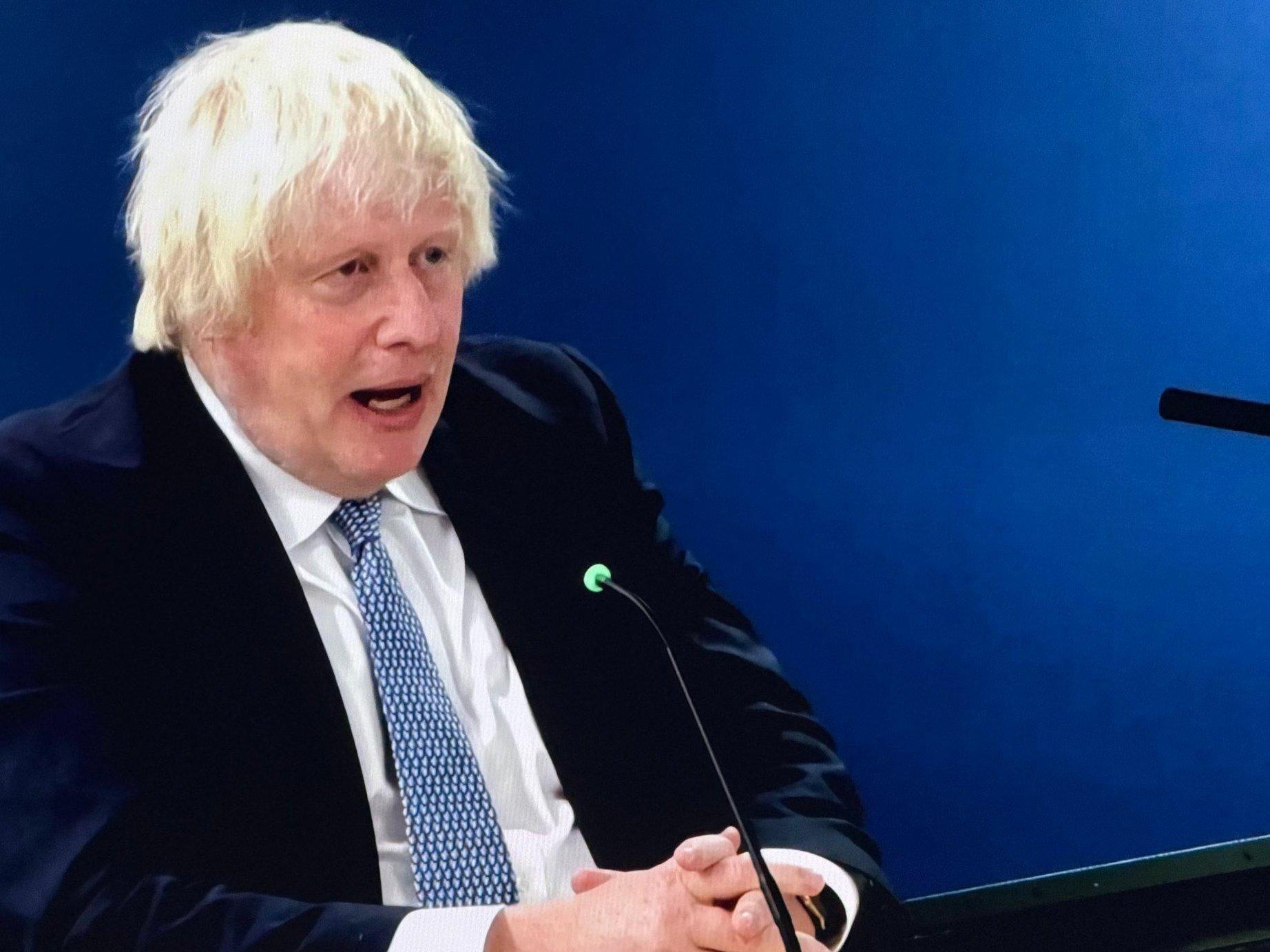
All sources agree the impact on children was severe, but they present it differently. The Guardian quotes Johnson’s stark admission about the “huge, huge price” and calls closures “an awful, awful thing.”
“Johnson also reflected that school closures should be a last resort in future crises and admitted that lockdown measures, especially those affecting children, were likely too complex and restrictive.”
Local outlets report Johnson’s view that, in future crises, shutting schools should be a last resort and that lockdown rules affecting children were likely too complex or overly restrictive. Meanwhile, broader coverage notes the inquiry’s continuing effort to assess how pandemic policies affected children’s learning and welfare.
Communication and Media Coverage
Another contested point is communication and public messaging. The Guardian reports that Gavin Williamson accused Johnson of undermining confidence by sending mixed messages about reopening despite social distancing limits. International Business Times UK notes Johnson’s position that messaging changed quickly while internal planning for closures was ongoing.
Johnson defended the government’s decisiveness in handling the situation. Local outlets add that officials were overwhelmed by rapid developments. A contrasting example of coverage priorities appears in a Daily Mail snippet that focuses on MailOnline’s Facebook comment‑sharing features rather than the substance of the Covid‑19 inquiry.
Criticism and Defense of Pandemic Response
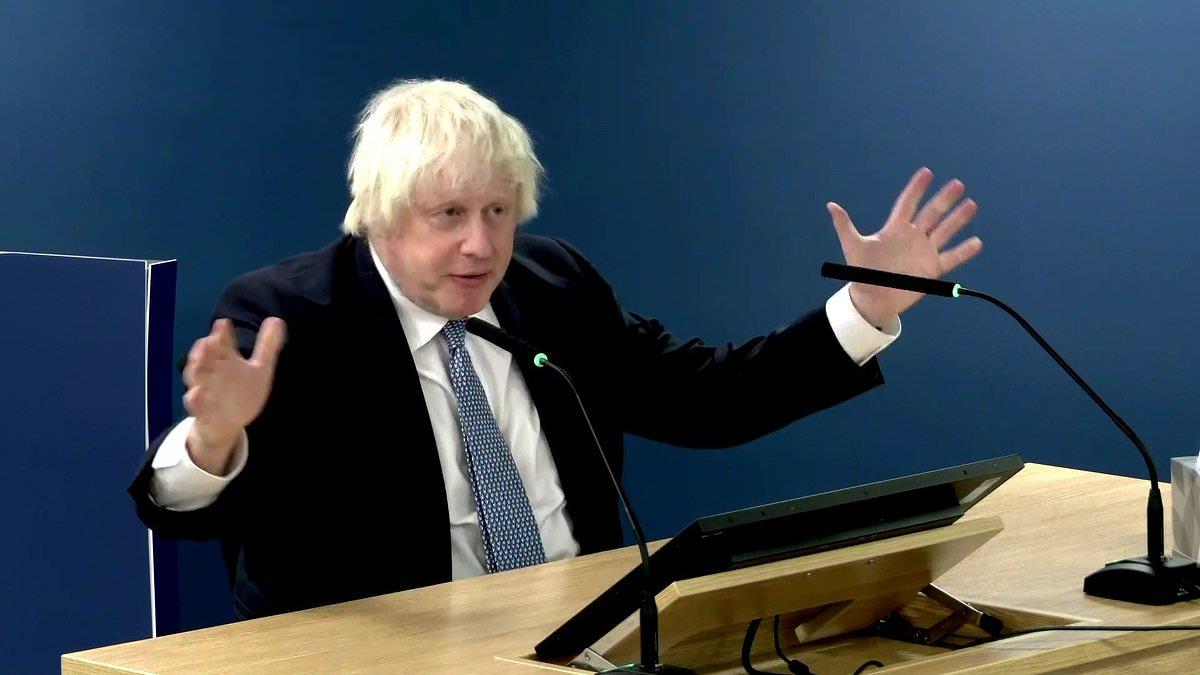
Beyond Westminster, local reporting describes protests and child welfare advocates condemning the government’s pandemic response as harmful to children and lacking safeguards for their interests. At the same time, Johnson’s testimony—across outlets—signals an attempt to balance acknowledgment of harm (“huge, huge price”) with a defense of the wider decision process. He also calls to treat school closures as a last resort in future crises.