Boris Pistorius Says US Drawdown Of 5,000 Troops From Germany Should Spur Europe
Key Takeaways
- Germany's defence minister Pistorius says the 5,000-troop drawdown should spur Europe to strengthen its defenses.
- Pentagon plans to withdraw about 5,000 U.S. troops from Germany over six to twelve months.
- Republican lawmakers warn the move undermines deterrence and sends the wrong signal to Putin.
Troops, deterrence, and Europe
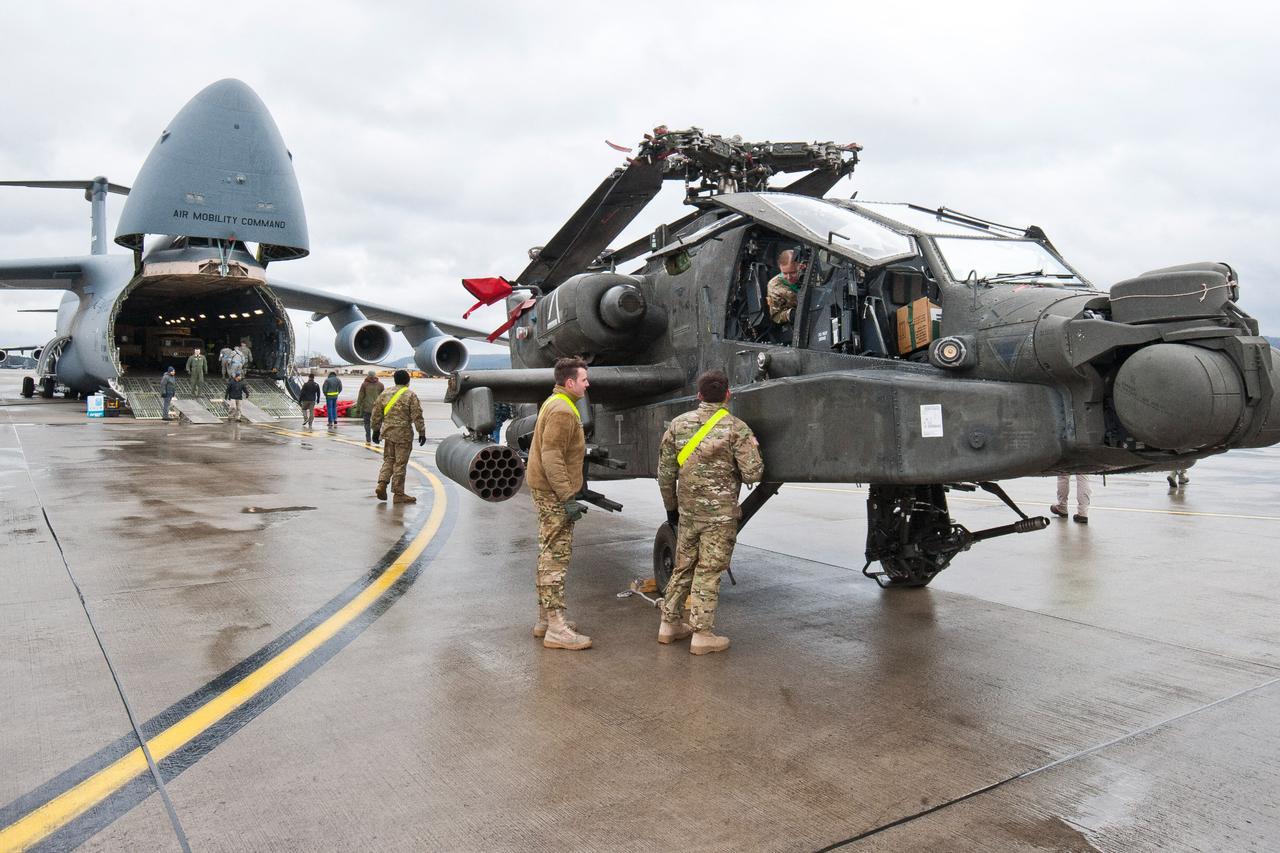
Germany’s Defence Minister Boris Pistorius said a planned drawdown of 5,000 U.S. troops from Germany should “spur Europe to strengthen its own defences,” while also stressing that the move was “foreseeable.”
“Top Republicans express concern over US troop withdrawal from Germany Sen”
The Pentagon announced the drawdown from Germany, described as its largest European base, on Friday, and the withdrawal was expected to be completed “over the next six to twelve months.”

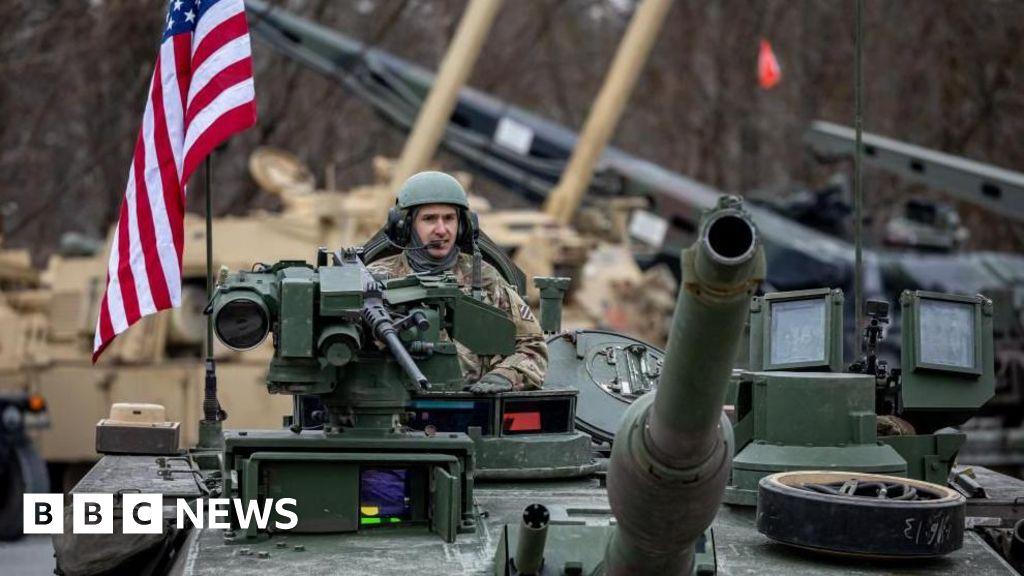
Pistorius said the partial withdrawal would affect a current U.S. presence of almost 40,000 soldiers stationed in Germany, while NATO said it was “working with the U.S. to understand the details of their decision.”
In Washington, U.S. President Donald Trump said, “We’re going to cut way down, and we’re cutting a lot further than 5,000,” when asked about the plan.
The BBC reported that the U.S. military deployment in Germany is “currently at more than 36,000 active duty troops,” and compared it with about 12,000 in Italy and about 10,000 in the UK.
The European security debate quickly became a question of what deterrence looks like if U.S. forces are reduced, because the Pentagon decision also meant “one full brigade will leave Germany” and a “long-range fires battalion that was due to be deployed later this year will be cancelled.”
In Berlin’s framing, Pistorius argued, “We Europeans must take on more responsibility for our own security,” and said, “Germany is on the right track” by expanding armed forces, speeding up procurement, and building infrastructure.
How the dispute escalated
The troop decision landed in Europe as transatlantic relations were already strained by disputes over the Iran war and tariff tensions, with Reuters describing “a rift over the Iran war and tariff tensions” that placed “further strain on relations between the U.S. and Europe.”
Reuters also tied the Pentagon move to a dropped Biden-era plan to deploy a U.S. battalion with long-range Tomahawk missiles to Germany, calling it “a blow to Berlin, which had pushed for the move as a powerful deterrent against Russia.”
The BBC said Washington’s move came after Trump criticised German Chancellor Friedrich Merz for saying the U.S. had been “humiliated” by Iranian negotiators in the ongoing war, and it quoted Merz’s claim that “the Americans clearly have no strategy.”
In the same Reuters account, a foreign policy official from Merz’s CDU party, Peter Beyer, said the two announcements should be viewed “in light of pressure on Trump both at home and abroad,” and described them as “less like the expression of a coherent strategy and more like a political reflex and a reaction born of frustration.”
The Hill reported that Trump had announced he was reviewing a possible reduction of U.S. troops in Germany after his feud with Merz, and it placed the timing in the context of Trump’s criticism that Merz miscalculated the threat of a nuclear Iran.
NATO’s role in the immediate aftermath was also framed as a clarification effort, with NATO spokeswoman Allison Hart saying, “working with the U.S. to understand the details of their decision.”
Even the numbers became part of the escalation, because CNA said the Pentagon’s partial withdrawal was expected to affect a current U.S. presence of almost 40,000 soldiers in Germany, while the BBC put the deployment at “more than 36,000 active duty troops.”
Republicans push back
Inside the United States, the troop drawdown triggered a rare rebuke from Republican lawmakers who oversee U.S. military policy, with multiple outlets quoting their warning that the move could undermine deterrence.
“BERLIN: A planned drawdown of 5,000 US troops from Germany was expected, but should spur Europeans to strengthen their own defences, German Defence Minister Boris Pistorius said on Saturday (May 2), after Washington's latest salvo against transatlantic ties”
Reuters reported that Senator Roger Wicker and Representative Mike Rogers said they were “very concerned,” and their joint statement warned that “Prematurely reducing America’s forward presence in Europe before those capabilities are fully realized risks undermining deterrence and sending the wrong signal to (Russian President) Vladimir Putin.”
The Hill similarly quoted the lawmakers saying they were “very concerned by the decision to withdraw a U.S. brigade from Germany,” and it added that Germany had “significantly increasing defense spending and providing seamless access, basing, and overflight for U.S. forces in support of Operation Epic Fury.”
Anadolu Ajansı and Türkiye Today both carried the same core argument that the move “sends the wrong signal” to Vladimir Putin, and they emphasized that turning investment into capability would take time.
In the BBC’s account, Wicker and Rogers said, “Rather than withdrawing forces from the continent altogether, it is in the US interest to maintain a strong deterrent in Europe,” echoing the idea that the troops should be moved rather than removed.
The Hill also reported that the chairmen suggested the troops be “forwarded to the east,” and it insisted that “significant” changes demand “a deliberate review process.”
The dispute also fed into NATO’s internal concerns, because the BBC said there were “growing concerns within the 32-member Nato alliance that the US latest decision could weaken the organisation,” and it quoted Polish Prime Minister Donald Tusk warning that “The greatest threat to the transatlantic community are not its external enemies, but the ongoing disintegration of our alliance.”
NATO seeks details, Europe weighs options
NATO’s public posture after the announcement centered on clarification, with outlets quoting the alliance’s effort to understand Washington’s force posture change in Germany.
Türkiye Today reported that NATO said Saturday it is “working with the United States to understand Washington’s decision to withdraw 5,000 U.S. troops from Germany,” and it quoted NATO spokeswoman Allison Hart writing on X that “This adjustment underscores the need for Europe to continue to invest more in defense and take on a greater share of the responsibility for our shared security.”

The BBC likewise said NATO was “working with the US to understand the details of their decision,” and it described Germany’s position through Boris Pistorius, who told DPA that the withdrawal was “foreseeable” while also stressing that “the presence of American soldiers in Europe, and particularly in Germany, is in our interest and in the interest of the US.”
CNA added that a NATO spokesperson said the alliance was working with the U.S. to understand the details, and it placed the drawdown in the context of Washington’s “latest salvo against transatlantic ties.”
The dispute also raised questions about what exactly would change, since Reuters said the Pentagon did not say which bases would be affected or whether troops would return to the U.S. or be redeployed within Europe or elsewhere.
The BBC provided additional comparative context by stating the U.S. deployment in Germany was “more than 36,000 active duty troops,” and it compared it with about 12,000 in Italy and about 10,000 in the UK.
In parallel, the BBC reported that Trump had suggested pulling U.S. troops from Italy and Spain, and it quoted Trump saying, “Italy has not been of any help to us and Spain has been horrible, absolutely horrible.”
What comes next for deterrence
The reporting converged on a near-term timeline for the drawdown and a longer-term concern about deterrence gaps, especially after the cancellation of a long-range fires element.
“Donald Trump encounters pushback from his own party”
Reuters said the Pentagon expected the withdrawal to be completed over the next six to 12 months, and it noted that “one full brigade will leave Germany” and that a “long-range fires battalion that was due to be deployed later this year will be cancelled.”
CNA similarly described the cancellation of the long-range fires battalion and framed it as “a particular blow to Berlin,” because it had been due to form “a significant extra element of deterrence against Russia while Europeans developed such long-range missiles themselves.”
The BBC added that the U.S. move could weaken NATO, quoting Tusk’s warning about “the ongoing disintegration of our alliance,” and it reported that Pistorius said Europe would now work more closely with allies on the continent.
In the U.S. legislative arena, the Hill reported that Wicker and Rogers expected the Department to “engage with its oversight committees in the days and weeks ahead on this decision and its implications for U.S. deterrence and transatlantic security.”
The same Hill account said the decision followed Trump’s criticism of Merz and that Trump had blasted NATO allies for not stepping up to work with the U.S. in carrying out “Operation Epic Fury” in Iran.
The dispute over deterrence was also tied to burden sharing, because Reuters said Pistorius called for Europe to take more responsibility and expand Bundeswehr forces from a current 185,000 to 260,000, while critics called for more in response to a widely perceived growing threat from Russia.
More on Europe

NATO Assesses US Plan To Withdraw 5,000 Troops From Germany Amid Trump Threats
26 sources compared
Pentagon Orders Withdrawal of 5,000 Troops From Germany, NATO Seeks Details
38 sources compared
Tangier Med Port Prepares More Ship Arrivals as Strait of Hormuz Crisis Reroutes Traffic
12 sources compared

Venice Biennale Jury Resigns Nine Days Before Opening Over Russia and Israel Awards Ban
24 sources compared