
NATO Assesses US Plan To Withdraw 5,000 Troops From Germany Amid Trump Threats
Key Takeaways
- Pentagon: roughly 5,000 U.S. troops to withdraw from Germany.
- NATO seeking clarification and assessing details of the withdrawal plan.
- Germany's defence minister Pistorius says withdrawal was foreseeable; U.S. troop presence remains in Germany's interests.
Troops, Tension, Timeline
NATO is assessing details of the United States’s decision to withdraw about 5,000 troops from Germany, a key partner in the Western security alliance, as tensions over the war on Iran continue to strain Washington’s relationships with European allies.
In a statement on Saturday, NATO spokesperson Allison Hart said the bloc is “working with the US to understand the details of their decision on force posture in Germany,” while the US Pentagon estimates the process will unfold over the next six to 12 months.
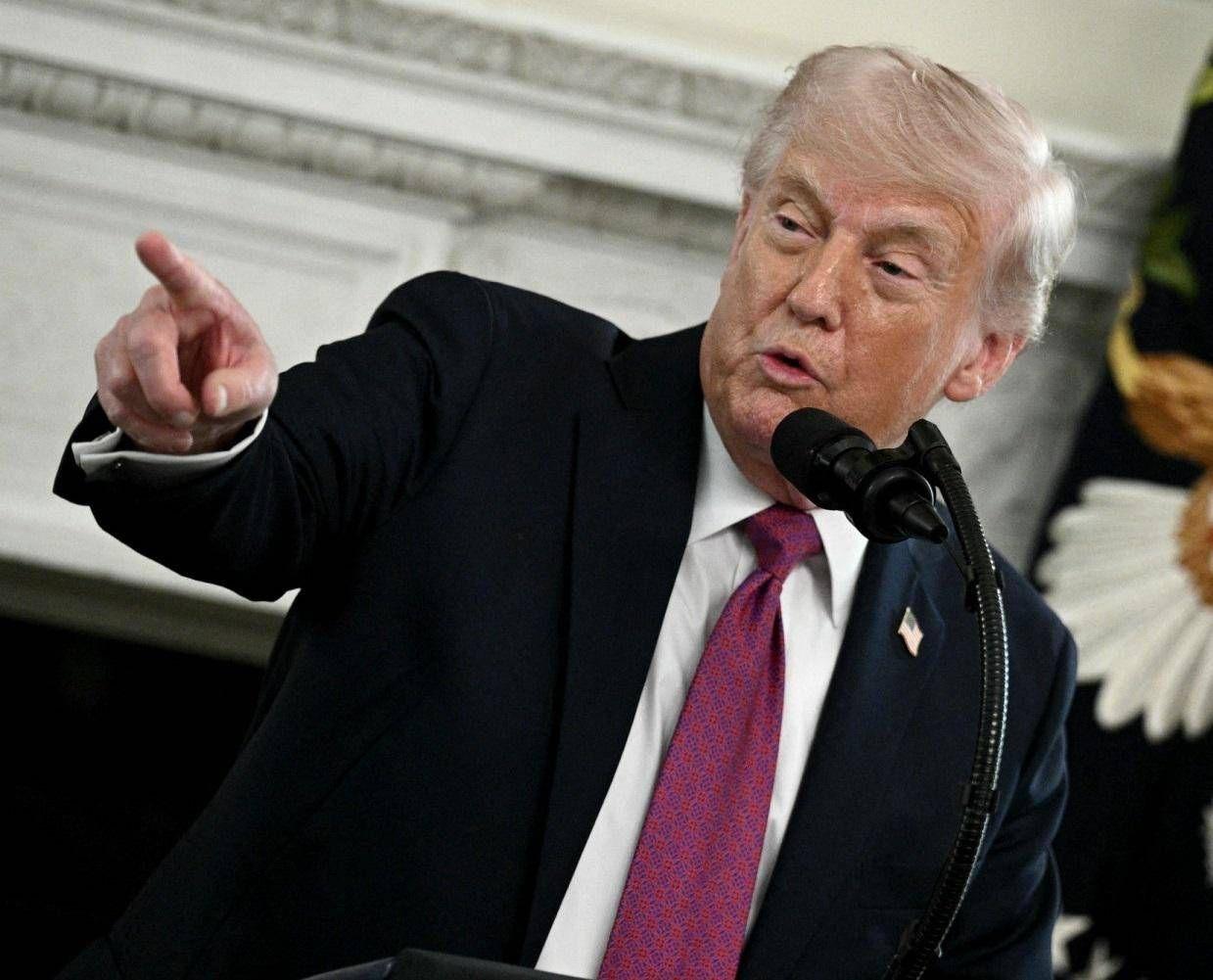
The Pentagon said on Friday the US will withdraw roughly 5,000 troops from Germany over the next year, a move President Donald Trump said is just the beginning, and chief Pentagon spokesman Sean Parnell said “We expect the withdrawal to be completed over the next six to twelve months.”
Trump then told reporters in Florida that “We’re going to cut way down, and we’re cutting a lot further than 5,000,” and he framed the drawdown as part of a broader pressure campaign tied to the Iran dispute.
Multiple outlets linked the troop decision to a feud between Trump and Germany’s Chancellor Friedrich Merz, who had said the US was being “humiliated” by Iran’s leadership.
Al Jazeera’s Dominic Kane, reporting from Berlin, said the reduction appears to be among measures aimed at “really hitting the Germans where it hurts,” including tariffs on EU automobiles expected to cost Germany’s economy billions.
The BBC reported that the US military deployment in Germany is “currently at more than 36,000 active duty troops,” and that it is by far the biggest in Europe compared with about 12,000 in Italy and 10,000 in the UK.
Merz, Iran, and the Rationale
The troop pullout was set in motion by a dispute over Iran that escalated into open friction between Washington and Berlin.
Al Jazeera reported that Trump feuded with European allies for not doing more to assist in the US-Israel war against Iran, and it said he voiced particular ire at Germany’s Chancellor Friedrich Merz, who recently said the US was being “humiliated” by Iran’s leadership.

CNN described Merz’s Monday criticism of US strategy, quoting Merz saying the “whole affair is ill-considered to say the least,” and it also included Merz’s statement that “An entire nation is being humiliated by the Iranian leadership.”
In response, Trump told reporters that Merz “doesn’t know what he’s talking about” on Iran and urged Merz to stop “interfering” over Iran and spend more time “fixing his broken country.”
The BBC added that Merz told university students that “the Americans clearly have no strategy,” and it quoted Merz saying “The Iranians are obviously very skilled at negotiating, or rather, very skilful at not negotiating, letting the Americans travel to Islamabad and then leave again without any result.”
The BBC further reported that Trump responded on Truth Social, saying Merz thought it was “OK for Iran to have a Nuclear Weapon” and “doesn't know what he's talking about,” and that this was soon followed by the US troop withdrawal announcement.
NATO’s Hart, in the same BBC account, tied the decision to the need for Europe to invest more in defense, saying it “underscores the need for Europe to continue to invest more in defence and take on a greater share of the responsibility for our shared security.”
German and NATO Responses
German officials and NATO leaders sought to frame the drawdown as foreseeable while pressing Europe to take more responsibility for its own security.
“NATO says it is assessing the details of the United States’s decision to withdraw about 5,000 troops from Germany, a key partner in the Western security alliance, amid tensions over the war on Iran”
The BBC reported that Germany’s defence minister Boris Pistorius said the US decision was “foreseeable,” and it quoted Pistorius stressing that “the presence of American soldiers in Europe, and particularly in Germany, is in our interest and in the interest of the US.”
In the same BBC account, NATO spokeswoman Allison Hart said the alliance was “working with the US to understand the details of their decision,” and she added that the shift “underscores the need for Europe to continue to invest more in defence and take on a greater share of the responsibility for our shared security.”
Al Jazeera likewise quoted NATO’s Hart saying the US decision “underscores the need for Europe to continue to invest more in defence and take on a greater share of the responsibility for our shared security,” and it added that NATO said it was “confident in our ability to provide for our deterrence and defence as this shift towards a stronger Europe in a stronger NATO continues.”
CNN reported Pistorius played down the Friday announcement, calling it “foreseeable,” and it quoted him saying Germany was “on the right track” and that Europe must take greater responsibility for its own security.
Times of Suriname, citing DPA, reported Pistorius told DPA that “the presence of American soldiers in Europe, and particularly in Germany, is in our interest and in the interest of the US,” and it also said NATO spokeswoman Allison Hart was “working with the US to understand the details of their decision.”
DW included a separate German perspective from a military analyst at King’s College London, Marina Miron, who said the German military “cannot fill this gap very quickly, even if money is invested,” and she warned that “There is no way that Germany and other European countries which will be affected by this withdrawal… can fill this capabilities gap.”
Lawmakers, Local Impact, and Criticism
The decision triggered pushback even from within Trump’s own Republican camp, while local leaders in Germany described the drawdown as a shock to communities built around American bases.
CNN reported that hours before Trump’s Saturday comments, Republican chairmen of the House and Senate Armed Services committees released a statement saying they are “very concerned” by the decision to withdraw 5,000 troops, and it quoted Sen. Roger Wicker and Rep. Mike Rogers urging the Pentagon to keep US troops present in Europe by moving them to the east.
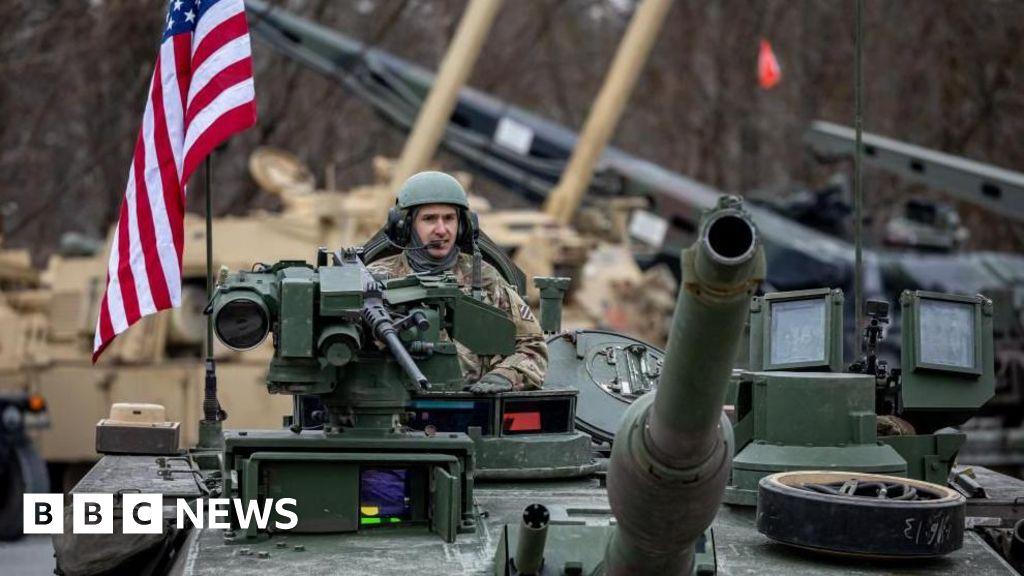
The BBC similarly reported that two senior US lawmakers said they were “very concerned” by the decision to withdraw a US brigade from Germany, and it quoted them warning that “Prematurely reducing America’s forward presence in Europe before those capabilities are fully realised risks undermining deterrence and sending the wrong signal to Vladimir Putin.”
Al Jazeera reported that the rare rebuke came from Senator Roger Wicker and Representative Mike Rogers, who argued that European allies had stepped up defence spending but that it would take time until it translates into “military capability.”
In Germany, DW quoted Ramstein Mayor Ralf Hechler saying his town expected the US decision to pull 5,000 troops from the US air base stationed there, and he said people were “calm” and “We don’t have any fear.”
DW also described Hechler’s view that Trump was trying to “punish Germany,” saying “this is one of the reasons — [it is] what the president uses to try to punish Germany,” and he added “If you want to be a good partner and you want to have good relationships, and if you want to stay together as an alliance, you cannot talk like like the president does right now.”
The Guardian portrayed Landstuhl, “the heart of the largest American military community outside the US,” and it quoted Nadine Firmont, 45, saying “I have to tell you I was honestly shocked,” while she added “We love our Americans – they enrich the community in every sense and make life more colourful.”
What’s at Stake Next
The sources portray the troop drawdown as part of a wider contest over deterrence, alliance cohesion, and Europe’s ability to sustain security commitments.
NATO’s Hart and German officials emphasized that the shift should push Europe to invest more in defence, with Al Jazeera noting that during last year’s NATO summit in The Hague members agreed to boost defence spending to up to 5 percent of their budgets, more than doubling the previous 2 percent target.
The BBC reported that NATO’s Hart said allies had already agreed last year to invest 5% of GDP at the NATO summit in The Hague, and it quoted her warning that the US decision “underscores the need for Europe to continue to invest more in defence and take on a greater share of the responsibility for our shared security.”
DW’s Marina Miron argued the short-term gap would be hard to fill, saying “There is no way that Germany and other European countries which will be affected by this withdrawal… can fill this capabilities gap,” and she linked the problem to delays in US weapons deliveries amid the Mideast conflict.
CNN described the broader strategic context as trans-Atlantic tensions heightened by tariff threats and US pressure on Ukraine, and it reported Trump threatened to cut troop levels in Italy and Spain as well.
Times of Suriname reported that Trump suggested pulling US troops from Italy and Spain and that Washington decided last year to reduce its troop presence in Romania, while warning that “There are growing concerns within the 32-member NATO alliance that the latest decision could weaken the organisation.”
The BBC also framed the stakes through Polish Prime Minister Donald Tusk’s warning that “The greatest threat to the transatlantic community are not its external enemies, but the ongoing disintegration of our alliance,” and it quoted Tusk adding “We must all do what it takes to reverse this disastrous trend.”
More on Europe
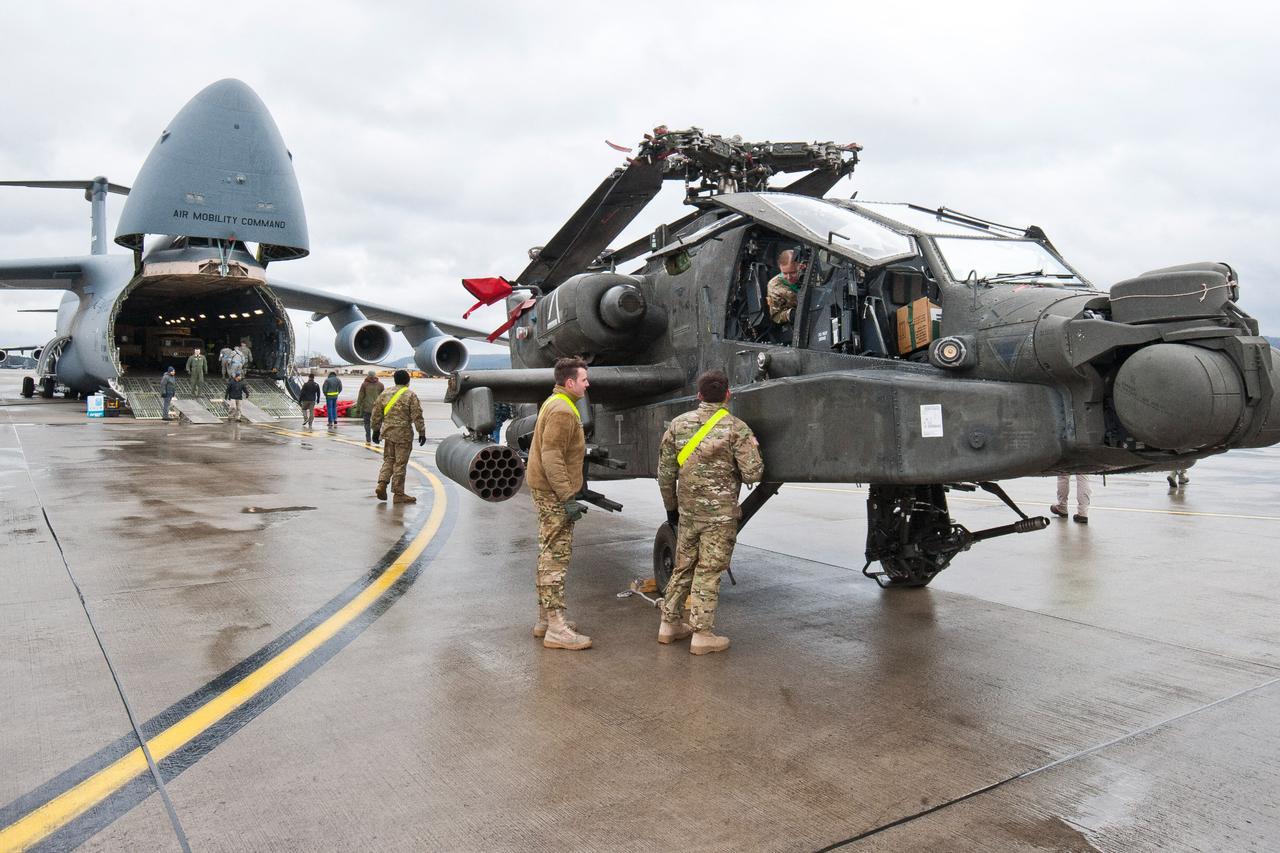
Boris Pistorius Says US Drawdown Of 5,000 Troops From Germany Should Spur Europe
11 sources compared
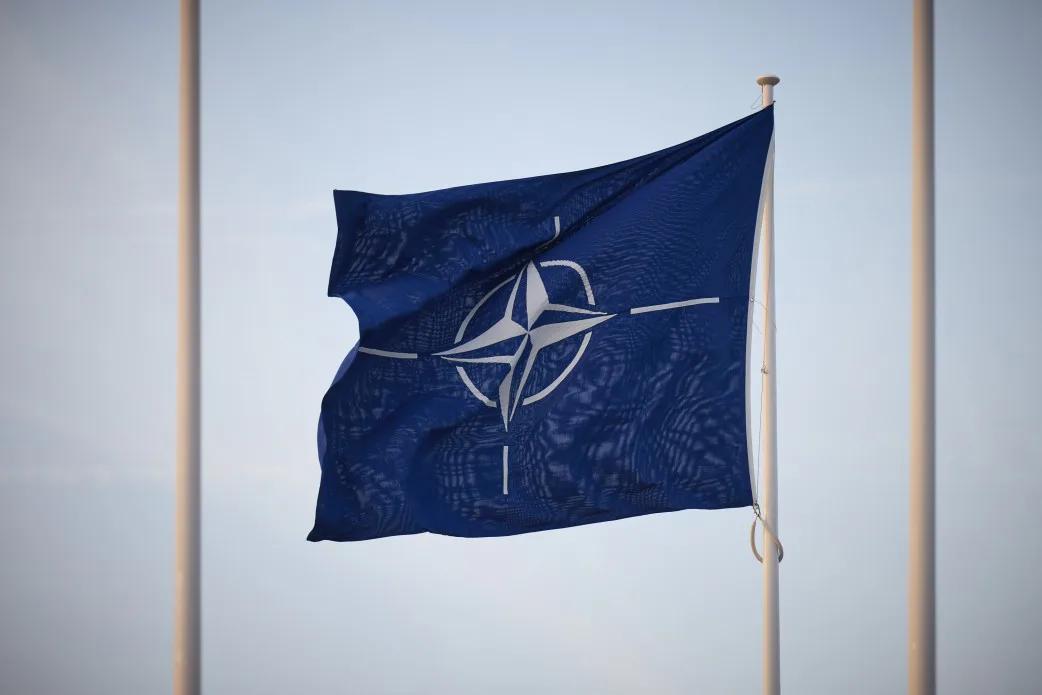
Pentagon Orders Withdrawal of 5,000 Troops From Germany, NATO Seeks Details
38 sources compared
Tangier Med Port Prepares More Ship Arrivals as Strait of Hormuz Crisis Reroutes Traffic
12 sources compared

Venice Biennale Jury Resigns Nine Days Before Opening Over Russia and Israel Awards Ban
24 sources compared