Europe · updated 1h ago · 3 min read
Bosnia Holds General Elections After Electronic Voting System Problems
About 3.4 million voters cast ballots for the tripartite presidency and national parliament. Elections occur amid enduring ethnic divisions and rising postwar tensions.
15 outlets told this the same way.
Outlets did split on France Police Clash With Students as 564 Schools Face Disruptions and Fires →
3 of 5 outlets skipped it: polling stations closed briefly due to electronic voting problems.
15outlets compared
Bosnia votes, EU at stake
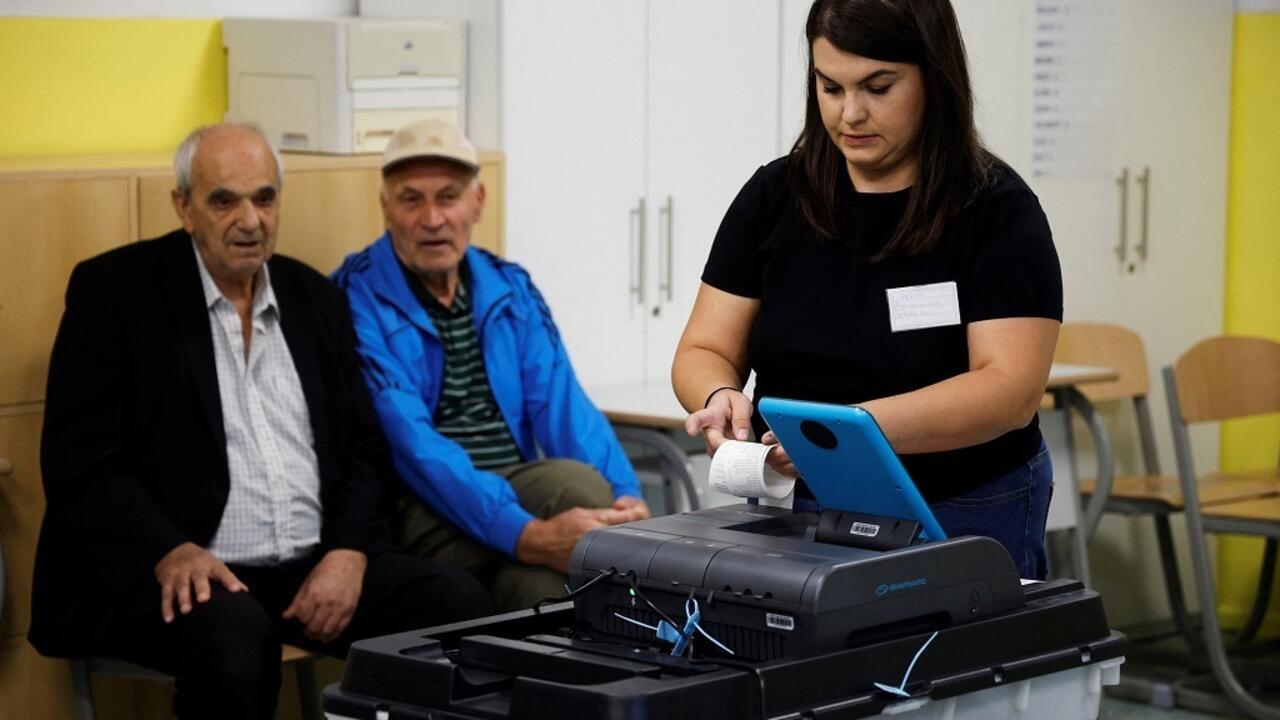
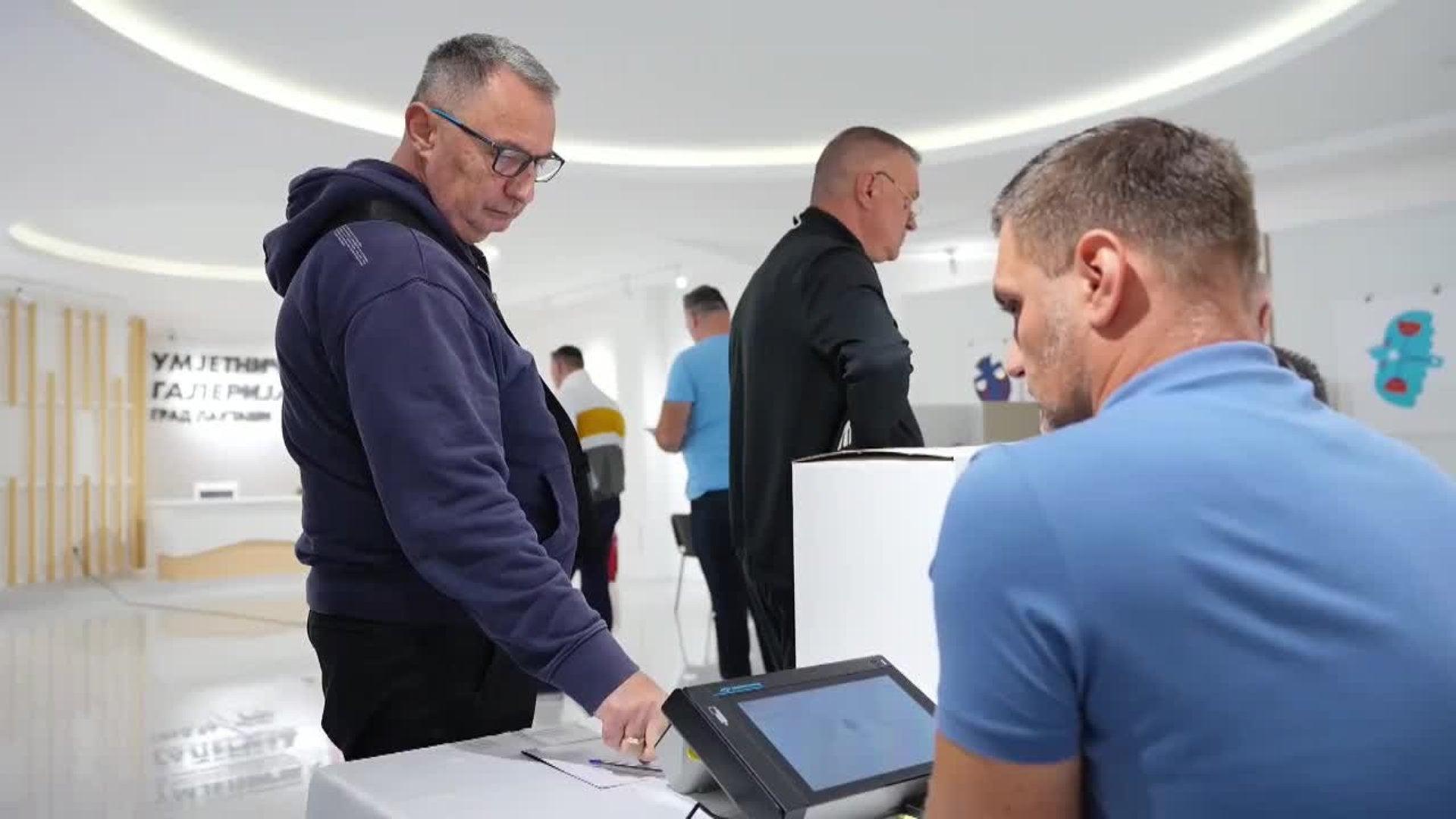
Bosnia and Herzegovina held general elections on Sunday to choose the three members of the state’s collegiate presidency, the legislators of the state Parliament and the leaders of the two entities, the Republic of Srpska and the Federation of Bosnia and Herzegovina. Some polling stations had to be temporarily closed due to problems with the electronic voting system, and Bosnia’s Central Election Commission head Jovan Kalaba told reporters in Sarajevo that the commission redesigned ballots and introduced new biometric voter identification and electronic scanners. About 3.4 million voters were choosing the three members of the country’s multiethnic presidency and lawmakers for the national Parliament, with polls closing at 7pm (17:00 GMT) and first results expected later on Sunday.
Reuters linked the vote to Bosnia’s European Union membership bid, saying the elections could affect the influence that the United States and Russia seek over the small Balkan nation. Al Jazeera described Bosnia’s governing institutions as created by a United States-brokered peace agreement in 1995 to manage ethnic divisions between Muslim Bosniaks, Orthodox Serbs and Catholic Croats that gave rise to the 1992-95 war.
Ethnic rhetoric and leaders
Milorad Dodik told a rally in Banja Luka that Bosnia-Herzegovina “is dead; it is an impossible country,” and Al Jazeera said the statement came at the final rally of his right-wing Alliance of Independent Social Democrats (SNSD) in the entity’s capital late on Friday. Reuters said the vote pits rival ethnic parties, the Bosniak SDA, Serb SNSD and Croat HDZ BiH, against multi-ethnic opposition coalitions led by the Social Democratic Party. DW said the elections were held to renew state leadership and more than 500 public offices, and it described the vote as taking place amid rising ethnic tensions.
Zeljka Cvijanovic, the SNSD candidate seeking a second term, said, "We are ... choosing those who can manage certain processes, build society, and make the Republika Srpska peaceful and stable,". DW said Milorad Dodik was removed and disqualified from public office after being convicted of disobeying the instructions of the international envoy supervising the 1995 peace agreement, and it added that he had met Russian President Vladimir Putin in Moscow.

Digital voting, turnout, and consequences
Reuters said voter frustration had grown over an economic slowdown, the slow pace of EU entry talks and a lingering political crisis in which ethnically based dominant parties repeatedly stalled decisions by the weak central government.
“Kalaba said that voter turnout stood at 11.94% by 11 a.m.”
Kalaba said voter turnout stood at 11.94% by 11 a.m. (0900 GMT), down from around 15% by the same time during elections in 2022.
DW said over three million citizens were able to cast ballots in nearly 5,700 polling stations open from 07:00 local time (05:00 GMT) until 19:00 (17:00 GMT), and it said journalists from Associated Press reported voting centers where voting could not start on time due to difficulties with the new digital voting technology.
Reuters warned that if ethnically based parties prevailed and continued their bickering within the central government, progress on accession was likely to stall further.
The EU granted Bosnia candidate status in December 2022, but accession negotiations scheduled for 2024 were delayed as Brussels demanded the country pass stronger anticorruption laws and reform its judicial system.